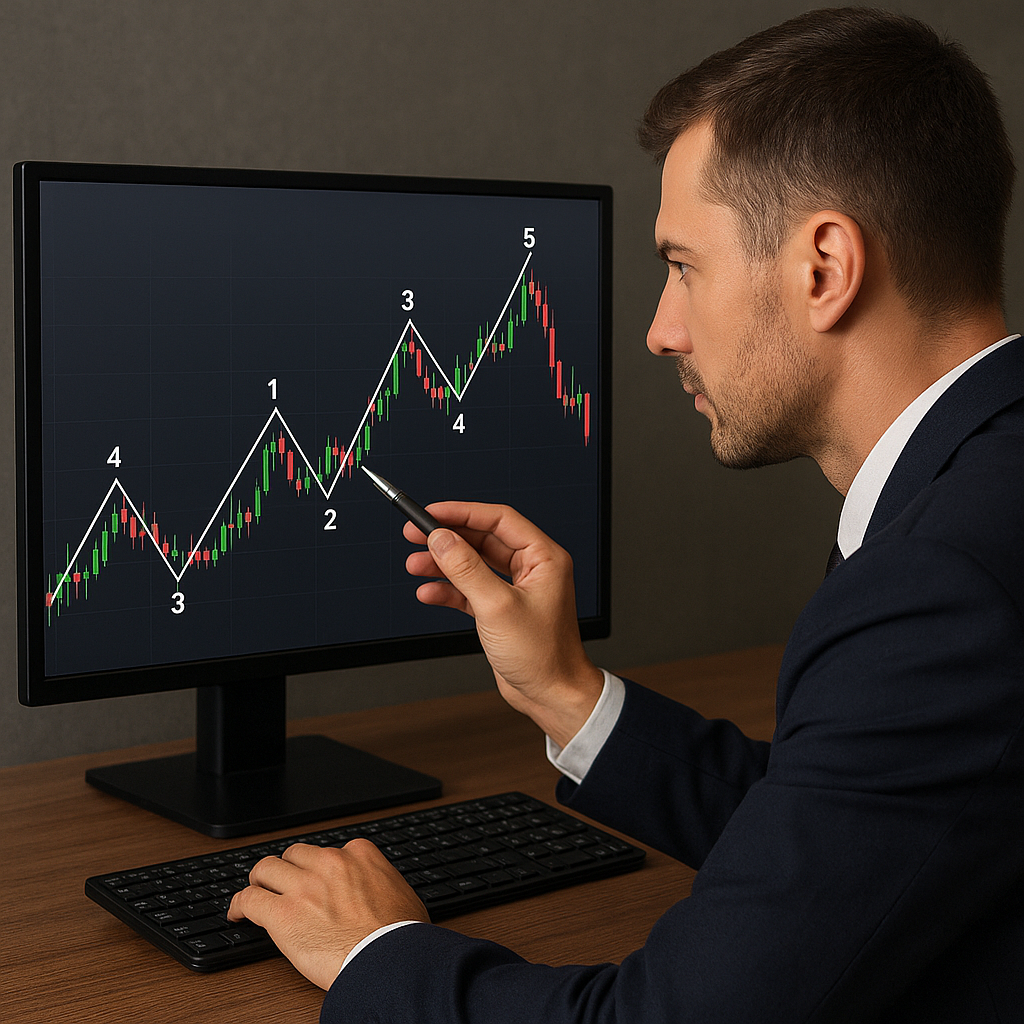
Forex micro-trends offer traders a unique lens through which to analyze fleeting price movements and capitalize on rapid market swings. By focusing on short-term directional shifts, market participants can fine-tune their entries and exits, boosting the potential for profits while carefully managing risk. This article delves into the nature of micro-trends, how to identify them, and the best strategies for harnessing their power within the broader foreign exchange landscape.
Understanding Forex Micro-Trends
Definition and Significance
At its core, a micro-trend represents a sequence of price changes that occurs over a very brief period—often minutes or even seconds. These patterns can be driven by sudden bursts of volatility, shifts in liquidity, or reactive flows from high-frequency traders. While traditional swing traders might hold positions for days or weeks, micro-trend enthusiasts seek opportunities in these rapid pulses, aiming to exploit small but frequent price moves. In highly liquid pairs like EUR/USD or GBP/USD, a handful of pips can translate into meaningful gains when scaled across multiple trades.
Why They Matter in Forex
Micro-trends matter because they offer an alternative edge to traders who might lack resources for fundamental analysis or long-term forecasts. By zeroing in on minor oscillations, participants can reduce exposure to overnight risk events, central bank announcements, or geopolitical surprises. Moreover, micro-trends often reveal the underlying order flow dynamics, showing exactly where institutional sizes are changing hands. These insights can elevate a trader’s understanding of momentum and prove invaluable for refining entry timing within larger market cycles.
Identifying Micro-Trends in the Market
Key Technical Tools
Effective micro-trend identification relies on a combination of rapid data analysis and specialized charting techniques. Popular tools include:
- Moving Averages (e.g., 5-period and 10-period SMAs) to smooth out erratic swings and reveal the direction of the smallest timeframes.
- Oscillators like the Relative Strength Index (RSI) set to 2- or 3-period lengths to signal overbought or oversold extremes in micro windows.
- Bollinger Bands with tightened standard deviations (often 1.5 instead of 2) to capture breakouts or breakdowns in compressed conditions.
- Volume Profile or tick volume indicators to track surges in order flow that often accompany micro-trend shifts.
By adjusting default settings to reflect micro timeframes—such as 1-minute or tick charts—traders can sharpen their focus on the precise moments when price accelerates in a new direction.
Chart Patterns and Price Action
Beyond indicators, pure price action setups remain invaluable for micro-trend hunters. Common formations include:
- Micro flags and pennants, revealing brief consolidations before another sprint in the prevailing direction.
- One-bar or two-bar breakouts that confirm a rapid acceleration in buying or selling interest.
- Trendline touches on accelerated scales, where each bounce or break can signal continuation or reversal opportunities.
Spotting these patterns requires a disciplined eye and fast reaction times. Many traders complement visual charting with alert systems or algorithmic filters to capture the earliest signs of a developing micro-trend.
Strategies for Trading Micro-Trends
Scalping Techniques
Scalping is the quintessential micro-trend strategy. Scalpers target small price differentials—often between 2 and 5 pips—in and out of the market within seconds to minutes. Key principles include:
- Operating on the tightest timeframe possible, typically a 1-minute or even tick chart.
- Employing strict entry and exit rules, such as setting profit targets equal to 1–2 times the stop-loss distance.
- Relying heavily on technical indicators for confirmation, like a 3-period EMA crossing above a 5-period EMA for a buy signal.
- Implementing robust risk management, risking no more than 0.5% of account equity per trade to preserve capital amid inevitable drawdowns.
Discipline is paramount. Successful scalpers keep their screens focused on a limited set of currency pairs to avoid information overload, and they often employ direct access brokers with minimal spreads to protect profit margins.
Breakout and Pullback Tactics
A micro-breakout strategy seeks to capitalize on sudden explosive moves after a brief range. Traders might:
- Identify a tight consolidation lasting 5–10 bars.
- Place entry pending orders just outside the high or low of that range.
- Use a stop-loss just inside the opposite side of the consolidation to limit risk.
Once the breakout triggers, momentum often carries price swiftly in the breakout direction, potentially running to the next micro support or resistance area. Conversely, micro-pullback tactics focus on fading a quick retracement in an existing mini-trend, jumping back in at the 23.6% or 38.2% Fibonacci level to catch the next leg.
Automation and Algorithmic Approaches
With the need for rapid execution, many micro-trend traders leverage algorithmic systems. These programs can:
- Scan hundreds of instruments simultaneously for predefined breakout or momentum conditions.
- Enter and exit positions within milliseconds, bypassing manual latency.
- Implement advanced risk management routines, such as dynamically adjusting lot sizes based on real-time volatility measures.
While automation removes emotional biases and enhances speed, it also demands rigorous backtesting across different market regimes to avoid curve-fitting. A robust algo for micro-trends must adapt to varying market conditions—from calm, low-liquidity sessions to periods of intense volatility.
Key Considerations and Best Practices
Managing Emotional Biases
Micro-trend trading can be psychologically demanding. The rapid-fire nature of entries and exits often triggers reactionary behavior. Top practitioners cultivate mental resilience by:
- Setting a maximum loss threshold per session to prevent chasing losses.
- Taking regular breaks to avoid fatigue and tunnel vision.
- Reviewing trade journals daily to spot recurring mistakes and fine-tune strategies.
Optimizing Trade Execution
Slippage and latency can erode profits in micro-trend setups. To mitigate these risks, traders should:
- Choose brokers with fast order routing and minimal requotes.
- Use Virtual Private Servers (VPS) located close to major FX data centers.
- Regularly monitor internet connection stability and server performance.
Continuous Learning and Adaptation
The foreign exchange market evolves constantly. What worked brilliantly during one period may falter in another. Ongoing education—through webinars, peer forums, and simulated backtesting—helps traders stay ahead. Embracing a growth mindset ensures that each new micro-trend becomes an opportunity to refine skills, adjust parameters, and expand one’s repertoire of tactics.