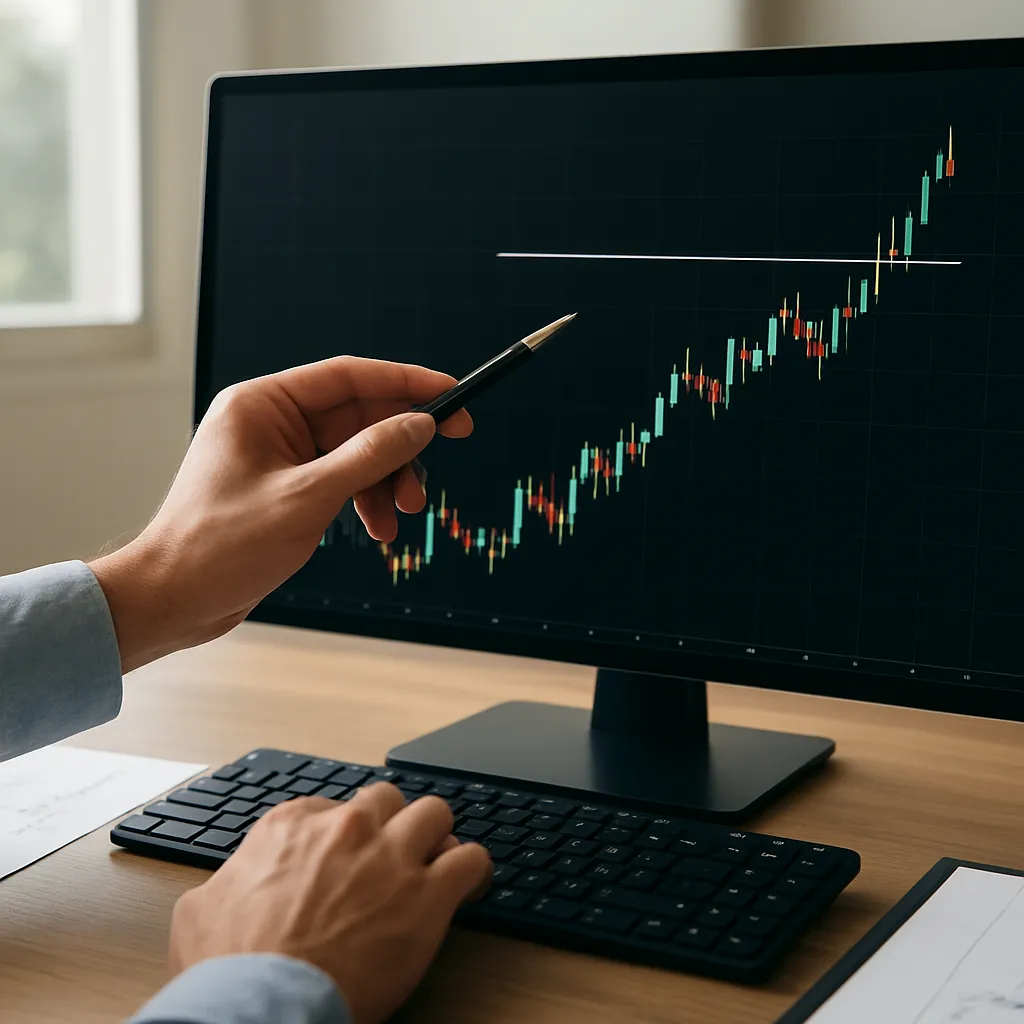
In the dynamic realm of global foreign exchange markets, staying informed is more than a convenience—it’s a necessity. Rapid fluctuations, driven by geopolitical events, macroeconomic data releases, and shifts in central bank policies, can create both lucrative opportunities and significant risks. A well-structured approach to real-time information gathering ensures traders and investors maintain an edge. Below are strategic methods to keep pace with shifting market conditions and make data-driven decisions.
Real-Time News Platforms and Aggregators
Adopting robust news platforms is the first step toward maintaining awareness of market-moving events. These services deliver instant updates, analysis, and expert commentary on currency pairs and related topics.
- Bloomberg: A leading provider of global financial news, offering in-depth coverage of central banks, economic indicators, and geopolitical developments. Its custom alerts notify users of critical data releases and unexpected policy shifts.
- Reuters: Known for rapid wire-service style updates, it covers breaking news across all major economies. Reuters’ FX-specific section highlights cross-border capital flows and emerging market trends.
- Investing.com: Offers a user-friendly interface and real-time quotes on major and minor currency pairs. Their economic calendar and newsfeed help traders anticipate volatility around scheduled events.
- ForexFactory: Focused exclusively on the FX market, this platform provides a live economic calendar, high-impact event alerts, and interactive forums where traders discuss sentiment and strategy.
Economic Calendars and Key Indicators
Understanding when economic data will be released and interpreting its impact is crucial for anticipating currency movements. Well-prepared traders use detailed calendars and dashboards that classify events by their expected market impact.
- High-Impact Releases: Nonfarm Payrolls, CPI, and GDP figures often trigger substantial moves in currency pairs. Tracking these helps gauge short-term volatility.
- Central Bank Meetings: Announcements by the Federal Reserve, European Central Bank, and other authorities dictate monetary policy direction. Changes in interest rates or guidance affect leverage costs and capital flows.
- Trade Balances and Current Account Data: Reveal cross-border trade dynamics that shape currency supply and demand.
- Manufacturing and Services PMI Reports: Offer early insights into economic activity. Divergence between sectors can signal shifting growth patterns and influence long-term trends.
Using a color-coded system or a calendar with filter options makes it easier to prioritize events by their likely market influence. This proactive stance avoids being blindsided by unexpected announcements.
Leveraging Social Media and Community Feedback
The rise of social platforms has transformed how traders share information and analysis. Monitoring credible sources and participating in communities can supplement traditional news outlets.
- Twitter: Follow verified experts, central bank officials, and respected financial journalists. Instantaneous commentary often precedes official statements.
- Reddit (r/Forex, r/Investing): Offers diverse viewpoints on technical analysis, trade setups, and chart patterns. Exercise caution, as quality and accuracy vary.
- Telegram and Discord Groups: Private channels managed by reputable analysts provide real-time signals and discussion threads. Always verify alerts against official releases.
When engaging online, prioritize sources with a proven track record and moderate noise. Cross-referencing social media insights with established news platforms helps separate genuine leads from rumors.
In-Depth Research Reports and Expert Analysis
Periodic deep dives by professional analysts can uncover structural trends that are not immediately evident from headline news. These reports often combine fundamental and quantitative methods.
- Bank Research Departments: Institutions like JPMorgan, Barclays, and UBS publish regular FX outlooks. They analyze liquidity conditions, carry trade opportunities, and macroeconomic forecasts.
- Independent Research Firms: Entities such as Oxford Economics and Capital Economics offer reports on global growth patterns and policy trajectories.
- Private Broker Analysis: Many forex brokers provide daily or weekly research notes. Look for detailed commentary on currency correlations, cross-currency pair dynamics, and risk sentiment shifts.
- White Papers and Economic Briefs: Focused studies on specific themes (e.g., currency wars, impact of digital currencies) help understand long-term forces shaping exchange rates.
Combining broad market overviews with niche thematic research enables traders to construct balanced portfolios. Use these insights to refine entry and exit strategies and manage risk management protocols more effectively.
Continuous Learning and Adaptive Strategies
The FX market evolves as new technologies, regulations, and economic structures emerge. Cultivating a mindset of lifelong learning ensures traders adapt to shifting paradigms.
Educational Resources
- Online Courses: Platforms like Coursera and Udemy offer modules on fundamentals of forex, risk management techniques, and algorithmic trading basics.
- Webinars and Workshops: Hosted by reputable brokers and financial institutions, these events delve into advanced topics like neural network forecasting and high-frequency trading implications.
- Books and eBooks: Classics such as “Currency Trading for Dummies” and “Japanese Candlestick Charting Techniques” remain invaluable for mastering core concepts and charting methods.
Practice and Simulation
- Demo Accounts: Simulated trading environments allow testing of news-driven strategies without financial exposure.
- Backtesting Software: Evaluate how past data releases and policy changes would have affected specific strategies. This builds confidence and uncovers potential weaknesses.
An adaptive approach, backed by continuous education, helps traders stay ahead of innovations in order execution, market microstructure, and regulatory reforms.
Integrating Technology for Efficiency
Advanced tools can automate information gathering and analysis, allowing traders to focus on decision-making rather than manual monitoring.
- API Feeds: Pull data directly into custom dashboards or algorithmic systems, providing live updates on price action, volatility metrics, and sentiment indices.
- News-Scraping Bots: Automate keyword alerts around currencies or specific economic terms, ensuring no critical announcement goes unnoticed.
- AI and Machine Learning: Employed for pattern recognition, predictive modeling, and identifying anomalies in large datasets.
By integrating technology, traders can react in milliseconds to breaking news, optimizing execution and capitalizing on fleeting market inefficiencies.
Summary of Key Takeaways
Fundamental pillars for staying updated involve a blend of real-time news services, analytical reports, social media insights, and ongoing education. Leveraging these resources helps navigate the complexities of currency markets, manage diversification and risk, and seize opportunities amid constant change. Continuous improvement in tools and tactics will ensure readiness for any event that shapes global forex trends.