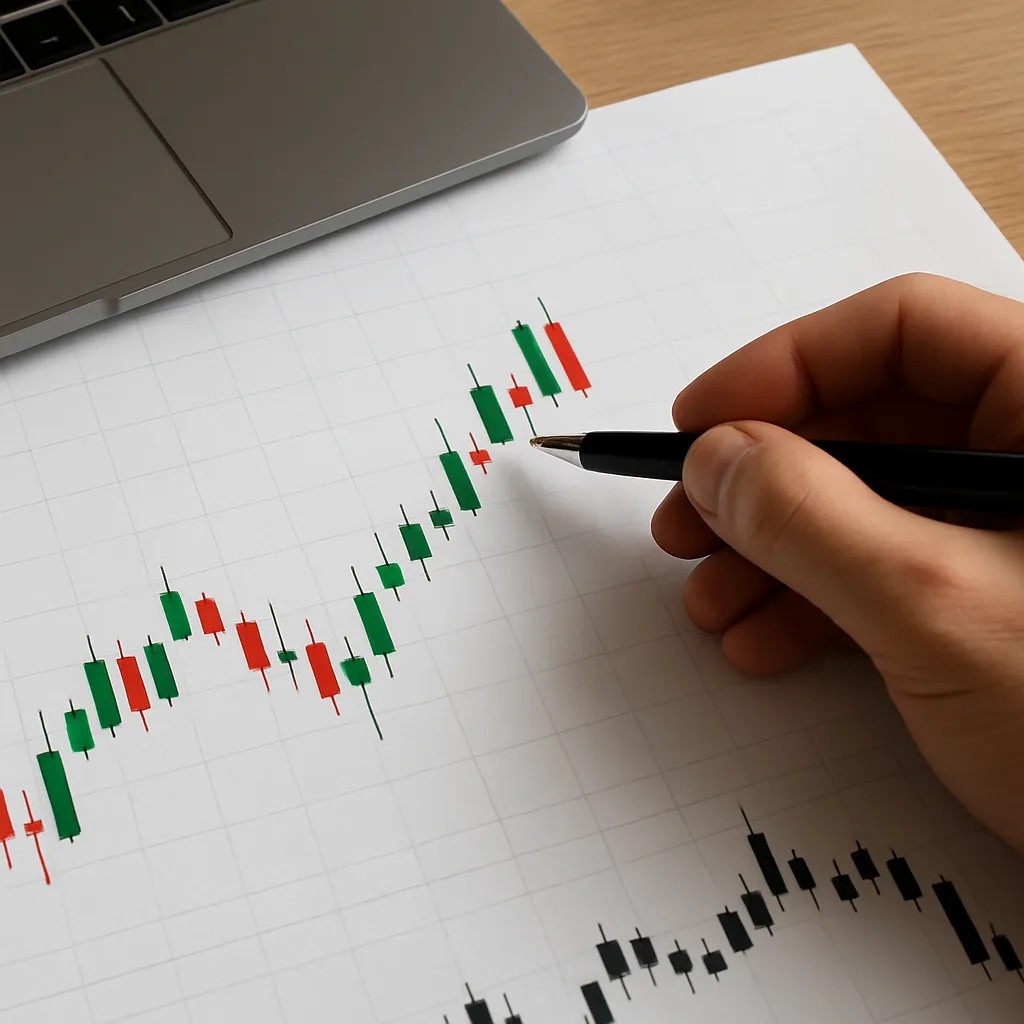
Seasonality plays a crucial role in currency markets, offering traders powerful insights into recurring patterns and price movements. By examining historical fluctuations across different periods, traders can spot potentially profitable opportunities and refine their strategies. This article delves into how to harness seasonality in currency trading, exploring its underlying drivers, practical methods for analysis, and actionable tactics that align with cyclical behaviors.
Understanding Seasonality in Forex Markets
What Is Seasonality?
Seasonality refers to regular, predictable patterns in price movements that occur at specific times of the year. These cycles can be driven by factors such as agricultural harvests, government fiscal schedules, tourism flows, and corporate tax deadlines. In the foreign exchange realm, such influences manifest through shifts in liquidity, trade balances, and central bank policies.
Key Drivers of Seasonal Patterns
- Harvest and Commodity Cycles – Currencies of commodity-exporting nations often move in tandem with their primary export prices. For example, the AUD tends to strengthen during Australia’s wheat and coal harvest seasons.
- Fiscal Year-End Flows – Governments and corporations adjust currency positions around fiscal closing dates to meet reporting requirements, creating consistent demand or supply surges.
- Tourism Peaks – Economies reliant on travel see their currencies appreciate during high season, as visitors convert funds and increase volatility.
- Central Bank Meetings – Regular policy announcements and rate decisions often follow annual cycles, leading to recurring market reactions.
Analyzing Seasonal Trends for Currency Pairs
Gathering Historical Data
Accurate analysis starts with a robust dataset. Traders should collect at least 5–10 years of daily or weekly price data for the currency pair of interest. Reliable sources include financial databases, broker archives, and central bank publications. Ensure data integrity by checking for missing values and adjusting for holidays or special events.
Pools of Time-Based Averages
Once you’ve gathered historical information, calculate average returns for each month, quarter, or week over the sample period. This process often involves:
- Organizing data into a matrix with time periods as rows and years as columns.
- Computing the mean percentage change for each period.
- Visualizing the results via bar charts or heat maps to highlight strong and weak intervals.
Visual representation makes it easier to identify market inefficiencies that repeat annually.
Statistical Validation and Significance
After spotting apparent seasonal patterns, apply statistical tests—such as the t-test or ANOVA—to verify significance. This ensures you’re not trading random noise. Perform:
- Backtesting across multiple timeframes to assess the consistency of seasonal effects.
- Monte Carlo simulations to gauge the probability distribution of returns under different scenarios.
These steps strengthen confidence in your findings and build a foundation for risk management.
Strategies to Trade Seasonality Effectively
Timing Entries and Exits
Armed with seasonal insights, set specific entry and exit rules:
- Enter positions at the start of historically strong months and exit before the expected downturn.
- Combine seasonal timing with technical triggers—like moving average crossovers or RSI divergences—to refine execution.
For instance, if EUR/USD tends to rally from April through June, consider taking long positions as April begins, but wait for confirmation from a bullish momentum indicator.
Combining Seasonality with Trend Analysis
Trend direction can either reinforce or negate seasonal tendencies. The optimal approach is to:
- Align seasonal biases with the prevailing trend confirmed by higher timeframes.
- Avoid countertrend seasonal trades unless the pattern shows exceptionally high probability in backtests.
Trading in the direction of both trend and seasonality amplifies the odds of success.
Risk Controls and Money Management
Even robust seasonal patterns can fail, so implement strict controls:
- Use stop-loss orders based on average true range (ATR) to limit downside.
- Allocate a small percentage of capital per trade, preserving funds for multiple seasonal cycles.
- Monitor correlation with other currency pairs to avoid undue concentration in the same market drivers.
Maintaining discipline helps ensure that occasional drawdowns do not derail long-term performance.
Enhancing Strategies with Fundamental Analysis
Seasonality works best when overlaid with current economic context. Key factors include:
- Interest rate differentials and upcoming central bank guidance.
- Cross-border trade data and commodity price outlooks.
- Political events, elections, and policy shifts that may override typical seasonal moves.
By blending cyclical patterns with fundamental intelligence, traders achieve a more comprehensive edge.
Advanced Techniques and Practical Tips
Rolling Seasonal Models
Markets evolve, so consider updating seasonal profiles regularly. Use a rolling window—for example, the most recent 7 years of data—to capture shifting dynamics and fading older influences.
Currency Basket Approaches
Instead of focusing on a single pair, construct a basket of currencies that share similar seasonal drivers. This diversification minimizes the impact of idiosyncratic events and reinforces broad cyclical trends.
Leverage Automation and Alerts
Automated systems can scan for seasonal entry points across multiple pairs, generating alerts when predefined thresholds are met. Automation fosters consistency and frees time for strategic decision-making.
Continuous Learning and Adaptation
Seasonal patterns may attenuate as more market participants exploit them. Keep refining your approach by:
- Regularly reviewing performance metrics.
- Incorporating new variables—such as weather data for commodity currencies.
- Participating in forums and research communities to exchange insights.
Staying informed helps you maintain a competitive edge in ever-evolving forex markets.