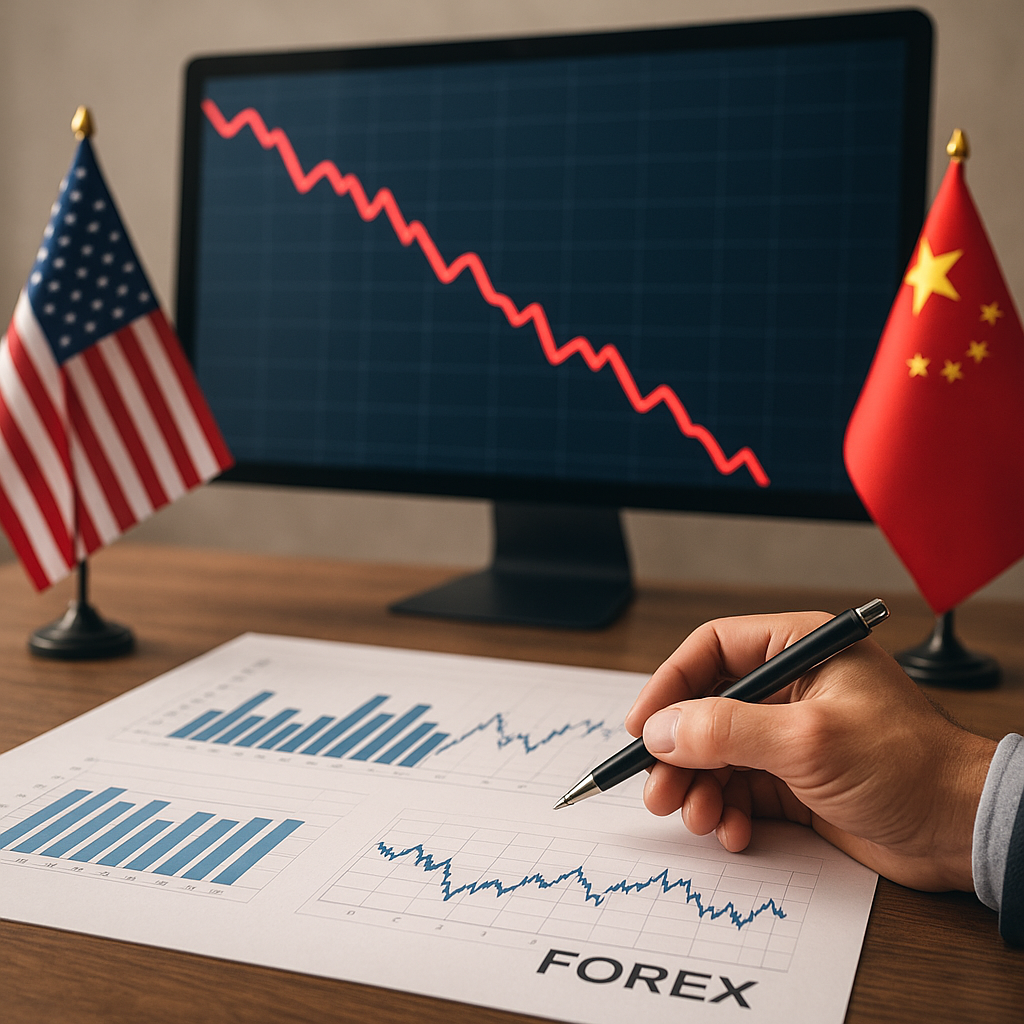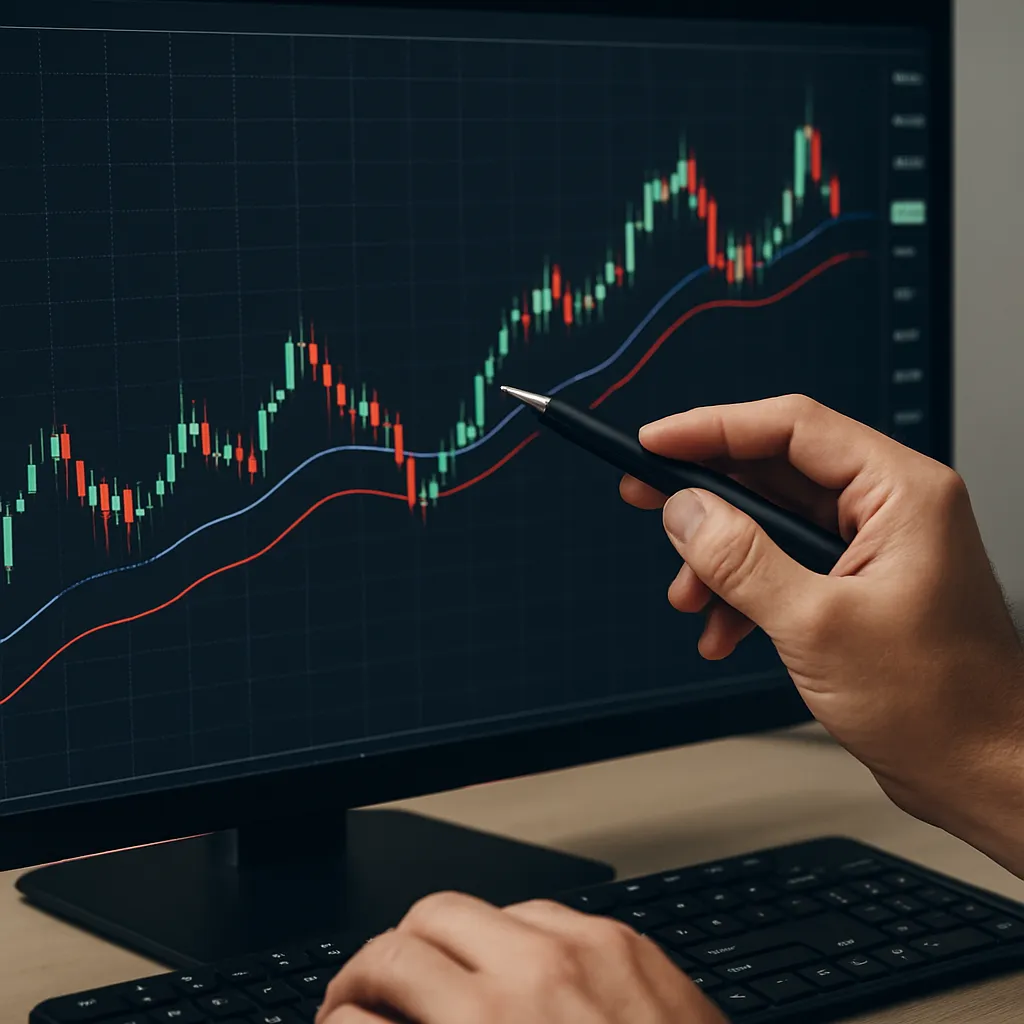
Forex trading has become one of the most dynamic and accessible financial markets in the world. Despite its popularity, the foreign exchange arena remains plagued by a multitude of myths that can mislead both novice and experienced traders. Understanding the reality behind these misconceptions is crucial for developing a sound strategy and achieving long-term success. This article delves into four widespread myths surrounding the Forex market, offering insights that separate fact from fiction.
Myth: Forex Trading is a Get-Rich-Quick Scheme
Many newcomers are drawn to the notion that they can transform a small deposit into a life-changing fortune within a matter of days or weeks. This belief often springs from sensationalized marketing materials and anecdotal success stories. Yet the truth is far more nuanced. Successful Forex trading demands patience, discipline, and a commitment to ongoing education.
Unrealistic Expectations
- Believing in overnight wealth ignores the volatility and unpredictability inherent in currency markets.
- Relying solely on high-risk strategies increases the probability of rapid losses rather than guaranteed gains.
- Underestimating the importance of rigorous backtesting of any trading method leads to disappointment.
Developing a Realistic Roadmap
Building a foundation based on risk management principles and sound money management techniques is essential. Traders should set incremental profit targets, maintain a trading diary, and engage in continuous performance reviews to evaluate their strategies.
Myth: High Leverage Always Leads to Big Profits
Leverage is often advertised as a trader’s best friend, magnifying both gains and losses. The allure of controlling large positions with a relatively small capital outlay can obscure the underlying risks.
The Double-Edged Sword
- Leverage amplifies the impact of even minor market movements, which can wipe out an account in seconds.
- Regulatory bodies across major jurisdictions cap maximum leverage to protect retail traders from catastrophic losses.
- Failing to adjust position sizes in accordance with changing market conditions invites excessive drawdowns.
Implementing Prudent Strategies
Wise traders use margin judiciously, often keeping effective leverage ratios low and employing protective stop-loss orders. This disciplined approach preserves capital and allows for recovery after inevitable losing streaks.
Myth: Forex Markets Are Easy to Predict
The belief that currency prices follow clear, repetitive patterns neglects the complexity of global financial interactions. Exchange rates are influenced by a multitude of factors, including economic indicators, geopolitical events, and trading psychology.
Complex Interdependencies
- Economic data releases, such as GDP growth rates and employment figures, can trigger sudden price swings.
- Central bank policies—interest rate decisions, quantitative easing programs—play pivotal roles in shaping market sentiment.
- Unexpected geopolitical developments, from elections to trade disputes, add layers of uncertainty.
Adaptive Market Models
Rather than chasing the illusion of perfect foresight, successful traders build systems that adapt to changing conditions. This entails blending technical analysis tools, such as moving averages and oscillators, with real-time news feeds and fundamental research.
Myth: Only Technical Analysis Matters
While chart patterns and indicators are powerful components of any trading toolbox, relying exclusively on technical signals can leave you vulnerable to fundamental shocks. A holistic perspective integrates both quantitative and qualitative elements.
The Role of Fundamental Analysis
- Assessing macroeconomic trends, such as inflation rates and trade balances, informs long-term positioning.
- Monitoring central bank minutes and speeches provides clues about future monetary policy shifts.
- Evaluating political stability and regulatory changes helps anticipate structural currency movements.
Synergy of Methods
High-performing traders combine fundamental analysis with technical frameworks. For instance, they may enter a trade when both an economic indicator beats expectations and a key support level holds on the chart, thereby increasing the probability of success.
Myth: Forex Trading is Purely About Numbers
There is a common assumption that trading success hinges solely on mastering mathematical models and statistical probabilities. However, the human element plays an equally critical role.
The Impact of Emotions
- Fear and greed can override rational decision-making, leading to premature exits or unplanned overexposure.
- Overconfidence after a winning streak often prompts traders to disregard their own risk parameters.
- Lack of discipline in adhering to predefined rules is one of the top causes of net losses.
Enhancing Trading Psychology
Developing mental resilience is as important as mastering market analysis. Meditation, journaling, and peer discussion forums can help traders maintain a balanced mindset and stick to their strategic plans.
Myth: Market Manipulation Makes Trading Unfair
Whispers of large institutions rigging Forex prices abound, fostering distrust among retail participants. While it is true that banks and hedge funds can influence short-term swings, the Forex market’s massive daily turnover offers significant depth and liquidity.
Realities of Liquidity
- With over $6 trillion traded daily, the Forex market is one of the most liquid venues on the planet.
- Algorithmic trading and high-frequency strategies contribute to tight bid-ask spreads and rapid order execution.
- Retail traders gain access to this environment through reputable brokers regulated by top-tier authorities.
Safeguards and Transparency
Major regulatory agencies enforce stringent reporting standards to detect and punish manipulative practices. Traders can further protect themselves by choosing brokers that participate in regulatory oversight programs and provide transparent trade execution metrics.