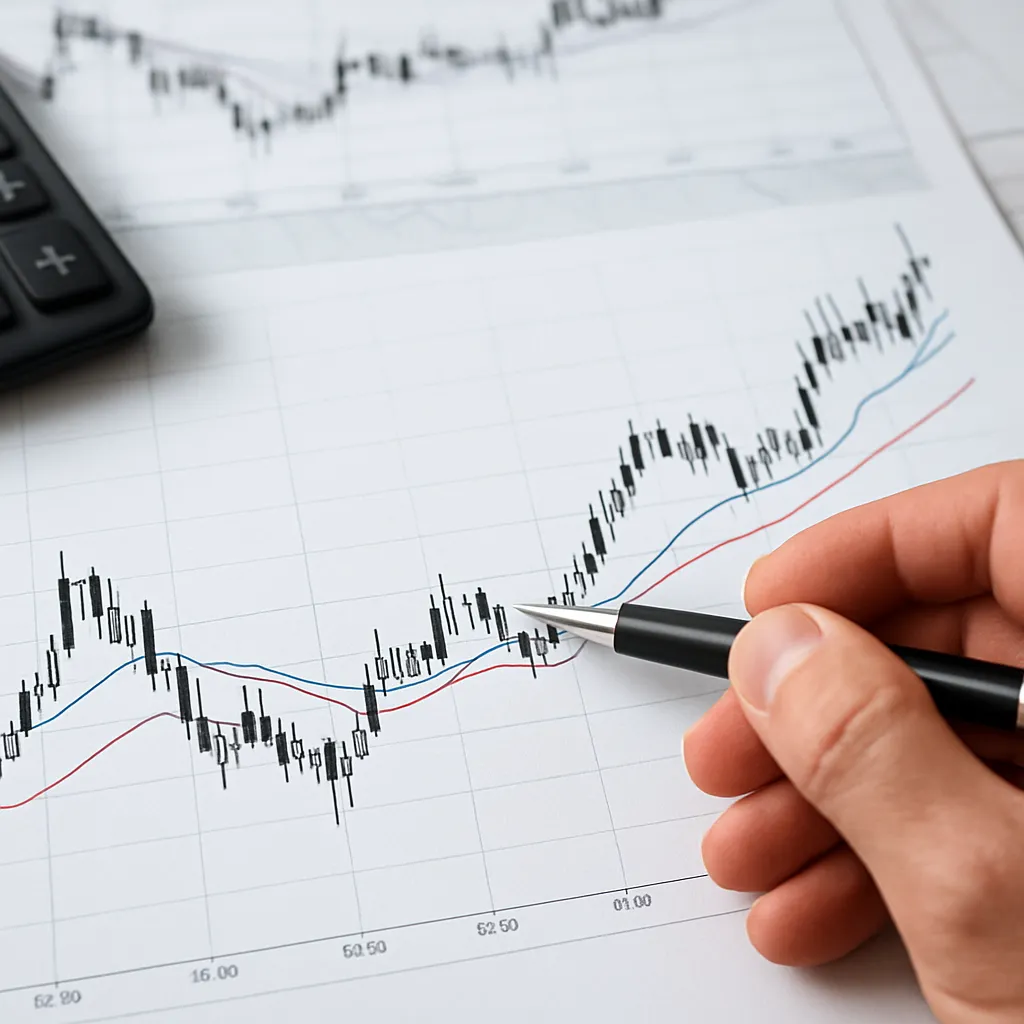
Understanding the impact of technology on currency markets has led traders to embrace systematic approaches that remove emotional bias and capitalize on market inefficiencies. A well-designed Forex trading algorithm can monitor exchange rates, analyze historical patterns, and execute orders with millisecond precision. This article dives into the core principles, strategies, development phases, and future directions for building an effective trading system.
Introduction to Forex Trading Algorithms
At its core, a trading algorithm is a sequence of rules or instructions that instruct a computer to buy or sell currency pairs based on predefined criteria. These criteria often derive from technical indicators, statistical models, or event-driven triggers. By automating decision-making, traders aim to achieve consistent performance, reduce human error, and respond rapidly to market moves.
Key Characteristics of a Forex Algorithm
- Systematic Entry and Exit Rules – Clear signals define when to open or close positions.
- Risk Controls – Limits on position size, drawdown thresholds, and stop-loss orders.
- Opportunity Filtering – Screens out trades that fail to meet quality benchmarks.
- Speed and Precision – Leveraging technology to improve execution and reduce slippage.
- Adaptability – Algorithms can update parameters to cope with changing market volatility.
Types of Forex Trading Algorithms and Strategies
Algorithms can vary widely in complexity and purpose. Below are some of the most popular categories:
Trend-Following and Momentum Systems
These strategies aim to capture sustained price movements by identifying directional strength. Common tools include moving averages, momentum oscillators, and breakout patterns. When a currency pair demonstrates a clear trend, the system enters in the direction of momentum and trails the stop loss as price advances.
Mean Reversion Models
Based on the assumption that prices will revert to their historical average, these algorithms look for overbought or oversold conditions. Bollinger Bands, RSI, and statistical z-scores often trigger entries. Traders benefit when prices bounce back, but systems must account for prolonged trends that defy mean reversion.
Statistical Arbitrage
This complex approach scans multiple currency pairs for temporary price divergences. Pairs trading and cointegration analysis attempt to exploit inefficiencies before markets self-correct. High demand for real-time data and low latency infrastructure makes this strategy resource-intensive.
News-Driven and Event-Based Algorithms
By monitoring economic calendars and sentiment data, these algorithms react to macroeconomic releases or geopolitical developments. Natural language processing and machine learning can gauge impact severity. Speedy execution following surprise announcements can yield significant profits but also introduces high risk during volatile spikes.
Developing and Testing Your Algorithm
Building a robust system requires a structured workflow that covers design, coding, testing, and optimization.
Design Phase
- Define objectives: target returns, maximum drawdown, trade frequency.
- Select indicators: trend, momentum, volatility measures.
- Outline risk rules: position sizing, stop-loss, take-profit limits.
Coding and Platform Selection
Popular choices include MetaTrader (MQL), Python, C#, and proprietary APIs from brokers. Python offers extensive libraries for data analysis and backtesting frameworks. MQL integrates seamlessly with MetaTrader 4 or 5, enabling direct market access and automated order placement.
Backtesting and Optimization
Rigorous backtesting on historical data reveals strategy strengths and weaknesses. Timeframe selection, data cleaning, and slippage modeling are essential. Overfitting must be avoided by reserving out-of-sample periods and employing walk-forward analysis.
Implementing Algorithms in Live Markets
Transitioning from simulation to live trading demands attention to infrastructure, connectivity, and regulatory compliance.
Connectivity and Latency Considerations
Execution speed can make or break high-frequency elements. Direct market access, colocated servers, and robust internet connections help minimize delays. Monitoring latency ensures timely order submissions and acknowledgments.
Broker Selection and API Integration
Choose brokers with transparent pricing, stable servers, and comprehensive APIs. Ensure the system handles order acknowledgments, rejections, and partial fills gracefully. Automated error handling maintains continuity during technical glitches.
Live Monitoring and Alerts
Despite automation, human oversight remains critical. Real-time dashboards, email or SMS alerts, and automated shutdown triggers protect capital during unexpected market disruptions.
Risk Management and Strategy Optimization
Preserving capital is as important as generating returns. Effective risk management frameworks integrate seamlessly with algorithmic logic.
- Position Sizing: Use fixed fractional, Kelly Criterion, or volatility-based sizing to align risk with account equity.
- Stop-loss Tiers: Incorporate dynamic stops that adjust with market structure.
- Correlation Monitoring: Avoid unintended exposure by tracking pair interdependencies.
- Drawdown Control: Predefined maximum drawdown levels trigger strategy pauses or parameter resets.
Performance Metrics
Track Sharpe ratio, Sortino ratio, win rate, average trade length, and risk-adjusted returns. Regularly review equity curves to detect regime shifts or deteriorating performance.
Emerging Trends in Algorithmic Forex Trading
As technology evolves, new frontiers emerge in systematic currency trading:
- Machine Learning Integration: Reinforcement learning agents and deep neural networks can identify subtle patterns beyond traditional indicators.
- Alternative Data Sources: Sentiment analysis from news feeds, social media, and satellite imagery provide unconventional signals.
- Blockchain and Decentralized Finance: Smart contracts may automate cross-border settlements and introduce peer-to-peer liquidity pools.
- Adaptive Algorithms: Self-calibrating systems adjust parameters in real time based on market regime detection.
Conclusion
While no strategy guarantees success, disciplined development, comprehensive backtesting, and diligent risk management give traders the best chance to leverage technological advancements. By understanding the principles of automated trading, maintaining robust infrastructure, and staying informed on evolving trends, practitioners can navigate the dynamic world of Forex markets with greater confidence.