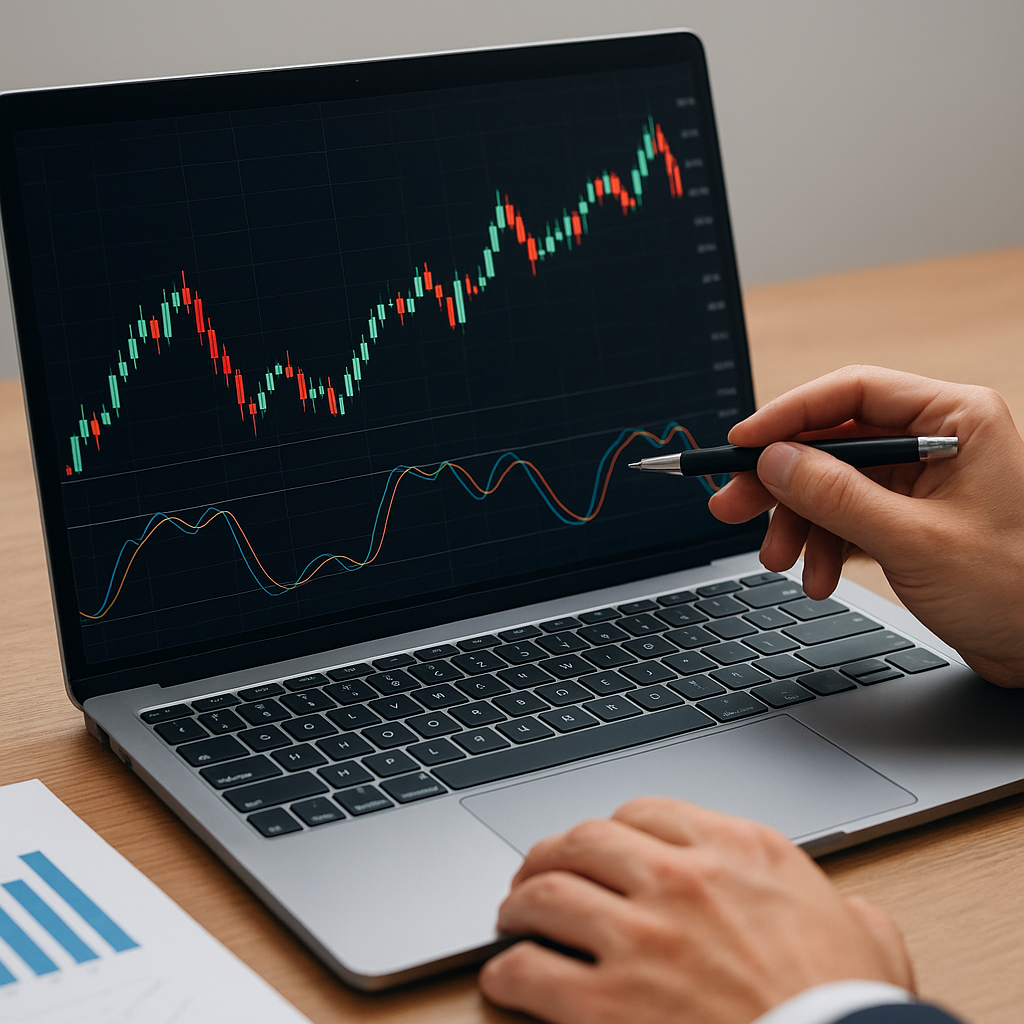
Trading foreign exchange markets around major news announcements can present both lucrative opportunities and significant risks. By understanding how releases such as central bank statements, employment reports, and inflation figures impact currency values, traders can position themselves for potential gains. This article delves into the most important elements of trading during news events, from market behavior to proven tactical approaches.
Understanding Volatility and Liquidity Shifts
Economic releases often trigger rapid price swings, as market participants digest fresh information and reassess currency valuations. Two key aspects to monitor are volatility and liquidity.
- Volatility: Measures the rate at which a currency pair’s price moves. Higher volatility near announcements can widen spreads and increase slippage, but it also creates opportunities for quick gains.
- Liquidity: Refers to the ease of executing large orders without causing significant price changes. Liquidity may dry up just before or after major reports, leading to unpredictable fills or partial executions.
Before a scheduled announcement, many institutional players adjust positions or pull orders, causing order books to thin out. By tracking average daily volume and watching order flow on your trading platform, you can anticipate potential gaps.
Key Economic Indicators to Monitor
Every currency has its own set of influential data points. Focusing on the most market-moving metrics will help you filter out noise and concentrate on impactful releases.
- Interest Rate Decisions: Central bank rate changes are perhaps the most potent drivers of currency moves. Traders often position themselves ahead of announcements from institutions like the Federal Reserve, European Central Bank, or Bank of Japan.
- Inflation Reports: Consumer Price Index (CPI) and Producer Price Index (PPI) figures indicate underlying inflationary pressures. Unexpected inflation can force central banks to adopt a hawkish stance.
- Employment Data: Non-Farm Payrolls (NFP) in the US and similar labor market reports in other economies gauge economic health. Strong job growth typically strengthens the domestic currency.
- Retail Sales and Manufacturing PMIs: Provide insights into consumer demand and industrial activity. Sharp divergences from forecasts often lead to significant intraday moves.
Using the Economic Calendar Effectively
An economic calendar is your primary tool for planning. Sort events by impact level—high, medium, or low—and set alerts for releases marked as high-impact. Combine this with consensus forecasts to gauge market expectations.
- Note the time zones of each event to avoid confusion between GMT, EST, or local time.
- Identify upcoming releases at least 24 hours in advance to adjust your position size or exit trades.
- Track historical correlations between specific indicators and currency reactions to refine your predictive model.
Designing a News Trading Strategy
There is no single “best” method for trading during news events, but several popular approaches can be adapted to different risk tolerances and styles.
Pre-Event Positioning
- Enter small positions based on anticipated outcomes. For example, if you expect a stronger-than-forecast CPI reading, consider a long position in the domestic currency pair.
- Set tight stop-loss orders to limit downside risk if the event surprises to the downside or upside unexpectedly.
- Use limit orders to secure favorable entry prices, but be prepared for partial or no fills in fast-moving markets.
Straddle or Straddle-Like Technique
This strategy involves placing one buy and one sell order around the current market price, anticipating a breakout in either direction. Key steps:
- Determine a reasonable distance from the midpoint based on recent average true range.
- Place a buy stop above the current price and a sell stop below it. Both orders should have balanced position sizes.
- Cancel the losing side once one order is triggered, or let both orders run with attached stop-losses.
Fade the Initial Spike
Seasoned traders sometimes wait for the initial “spike” following an announcement, then trade back toward pre-news levels. Important considerations:
- Confirm reduced momentum with technical indicators such as RSI or Bollinger Bands.
- Watch for order flow confirmation—multiple failed breakouts can signal exhaustion.
- Maintain tight risk controls, as unexpected follow-through can lead to large drawdowns.
Risk Management and Execution Challenges
Even the most robust plan can falter without rigorous risk management. News trading carries unique pitfalls:
- Slippage: Slippage is common during volatile spikes. Account for potential unfavorable fills when calculating position sizes.
- Widened spreads: Brokers often expand bid-ask spreads around major events, increasing transaction costs.
- Latency: A slight delay in data feeds or order routing can mean the difference between entry at the desired level and missing the move entirely.
- Leverage: High leverage can amplify gains but also magnify losses. Adjust leverage lower for news-sensitive trades.
Position Sizing and Capital Allocation
Stick to a fixed percentage of your trading capital per news event—commonly between 1% and 3%. This ensures that a single unexpected outcome won’t devastate your account. Use a risk-to-reward ratio of at least 1:2 to keep winners larger than losers over time.
Post-Event Analysis
After each high-impact announcement, review your trades rigorously. Track metrics such as slippage per trade, time-in-market, and actual versus expected volatility. Over time, this data will refine your edge and help you avoid repeating mistakes.
Integrating Technical Analysis with Fundamental Triggers
While news events are fundamentally driven, combining them with technical analysis can improve timing and precision.
- Identify key support and resistance zones on multiple timeframes before the announcement.
- Use moving averages or pivot points to locate potential reversal or breakout levels.
- Overlay volume indicators to confirm genuine buying or selling pressure post-release.
Together, these analytical layers can provide a clearer roadmap through the noise that often accompanies economic data.
Wrapping Up Your Approach
Adapting a disciplined, systematic approach to trading forex during news events is crucial. By focusing on high-impact data, employing proven strategies, and enforcing strict stop-loss discipline, traders can navigate volatile conditions with greater confidence. Remember that continuous learning—through backtesting, journaling, and reviewing past outcomes—is the key to long-term success in the dynamic landscape of news-driven currency markets.