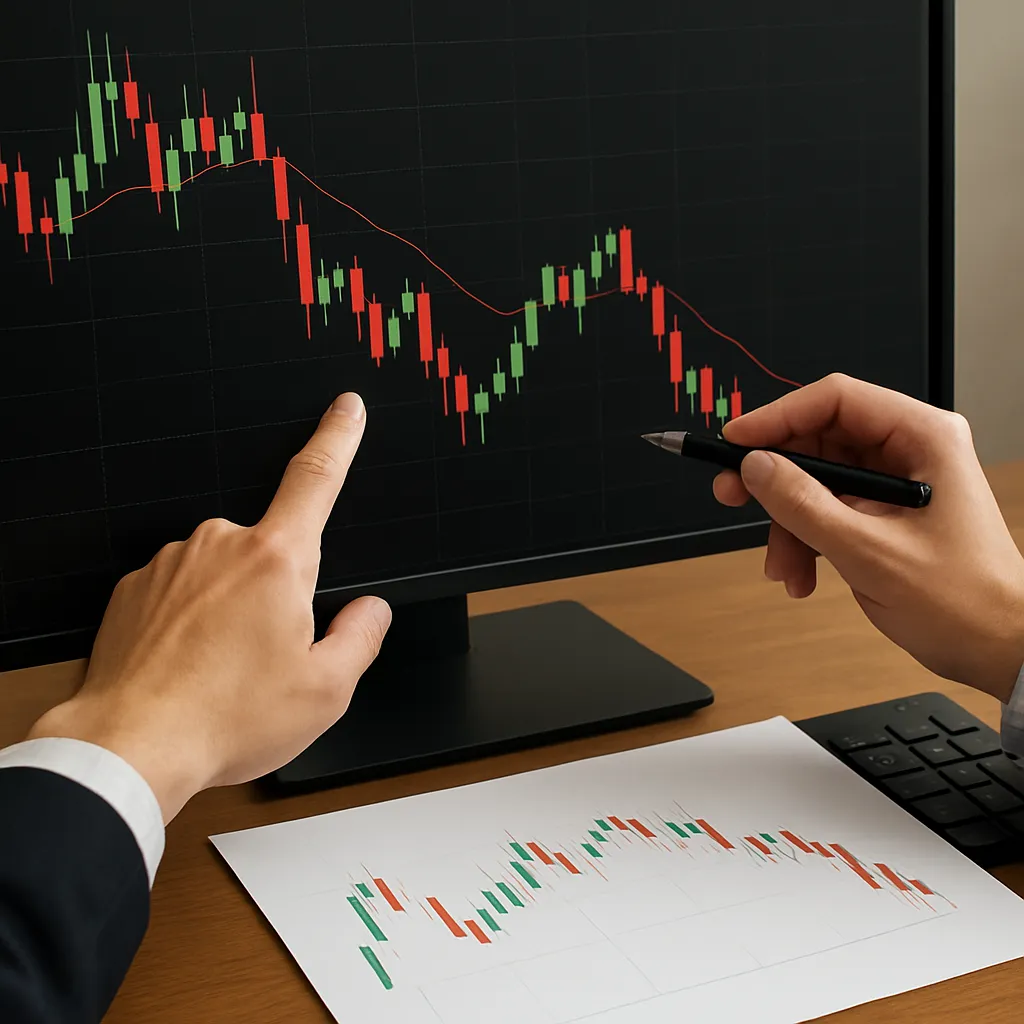
Effective forex trading demands not only mastering entry and exit points but also learning how to filter out misleading cues. Understanding the root causes of deviations in price action, implementing robust risk-control measures, and leveraging advanced analytical tools can elevate a trader’s ability to distinguish genuine opportunities from mere noise. This guide explores practical methods to confront and overcome the challenge of false signals in the foreign exchange market.
Recognizing the Nature of False Signals
What Causes False Signals?
In forex trading, market noise often masquerades as legitimate trends, luring traders into premature positions. Sudden spikes in volume, unexpected economic data releases, or algorithm-driven orders can create transient price movements. Without proper filtering, these distortions can trigger technical indicators like moving average crossovers or RSI divergences, leading to costly errors.
Typical Patterns to Watch
- Price Spikes on low volume days—often reversed within minutes.
- Fake breakouts beyond support or resistance zones that retrace quickly.
- Repeated whipsaws around trendlines causing indicator oscillations.
- Choppy price action during major news events without clear follow-through.
Strategies to Mitigate False Signals
Using Confirmation Tools
Relying on a single indicator is a common pitfall. Instead, combine multiple signals to reinforce trade decisions:
- Implement a confirmation strategy by waiting for both price action and indicator alignment. For example, require a candle close beyond a moving average plus an RSI threshold.
- Use volume-based indicators to validate price movement—rising volume on a breakout reduces the chance of it being a false signal.
- Apply higher-timeframe analysis to filter out minor fluctuations. A signal on a 4-hour chart often carries more weight than one on a 15-minute chart.
Risk Management Techniques
Even the most refined systems can encounter false signals. Adequate protection is crucial:
- Place stop-loss orders just beyond support or resistance levels to cap potential losses.
- Define precise take-profit levels based on realistic risk-to-reward ratios (e.g., 1:2 or 1:3).
- Incorporate position sizing rules to ensure no single trade risks more than a fixed percentage of the account.
- Use trailing stops to lock in profits as the trade moves in your favor, minimizing exposure to reversals.
Advanced Tools and Techniques
Algorithmic Filters and Automation
Modern traders can harness algorithmic trading systems to automatically filter out choppy signals. These systems analyze multiple variables—such as volatility, momentum, and correlation—within milliseconds, executing trades only when a predefined set of conditions is met. Backtesting these algorithms over extensive historical data helps identify parameter sets that reduce the incidence of false signals.
Combining Technical and Fundamental Analysis
A purely technical approach may misinterpret market turns. Integrating fundamental analysis—examining economic reports, central bank statements, and geopolitical events—can add a valuable layer of validation. For instance, if technical indicators suggest a bullish reversal but upcoming interest rate decisions pose risk, it may be wise to wait until the outcome is public before committing capital.
Risk Management and Execution
Stop-Loss and Take-Profit Placement
Strategic placement of stop-loss and take-profit orders transforms raw signals into actionable trades. Underlining prudent boundaries with predefined exit points diminishes emotional interference:
- Use recent swing highs and lows to set boundaries. This adapts stops to current volatility.
- Employ volatility measures, such as the Average True Range (ATR), to calculate dynamic stop distances.
- Test both fixed and variable targets to determine which suits your trading style better.
Position Sizing and Emotional Discipline
Even with ideal signal filters, poor execution can derail performance. Maintaining emotional discipline and consistent position sizing ensures long-term stability:
- Adopt a scaling-in approach—enter smaller lots initially, then add to winning positions once confirmed.
- Avoid revenge trading after a loss; stick to your original plan without deviation.
- Keep a trading journal documenting reasons for every entry and exit. Reviewing this log highlights patterns of overtrading or indecision.
By combining a thorough awareness of how false signals arise with disciplined risk controls and advanced analytical tools, forex traders can significantly improve their edge. The key lies in continuous refinement of strategies, rigorous backtesting, and unwavering adherence to rules that preserve capital and maximize the probability of genuine opportunities.