Building a **profitable trading strategy** in the foreign exchange market demands a blend of rigorous analysis, disciplined risk control, and continuous refinement. Whether you are a novice trader or seeking to enhance your existing system, mastering the core principles outlined below can help you craft a resilient, **robust**, and **consistent** approach to currency trading.
Market Analysis and Research
Effective strategies start with a solid understanding of market dynamics. By combining different analytical methods, traders can form a comprehensive view of currency movements and identify high-probability setups.
Fundamental Analysis
- Evaluate **economic indicators** such as GDP growth, unemployment figures, and consumer price indices to gauge a nation’s economic health.
- Monitor central bank policies and interest rate decisions, which often drive **volatility** in major currency pairs.
- Track geopolitical events and trade data; unexpected announcements can trigger sharp movements and create trading opportunities.
Technical Analysis
- Identify prevailing trends using moving averages (e.g., 50-day and 200-day) to determine the **trend** direction and filter signals.
- Detect support and resistance levels through price action patterns, candlestick formations, and pivot points.
- Apply momentum indicators like RSI or MACD to spot potential reversals or continuation moves.
Sentiment Analysis
- Study the Commitment of Traders (COT) report to understand how institutional players are positioned.
- Use retail sentiment indicators to gauge the crowd’s bias; extreme readings can signal contrarian entry points.
- Combine news sentiment feeds and social media sentiment tools to capture market psychology shifts in real time.
Risk Management and Position Sizing
Protecting your trading capital is just as critical as generating profits. Implementing a disciplined risk framework ensures that a few losses won’t wipe out your account.
Setting Stop-Loss and Take-Profit
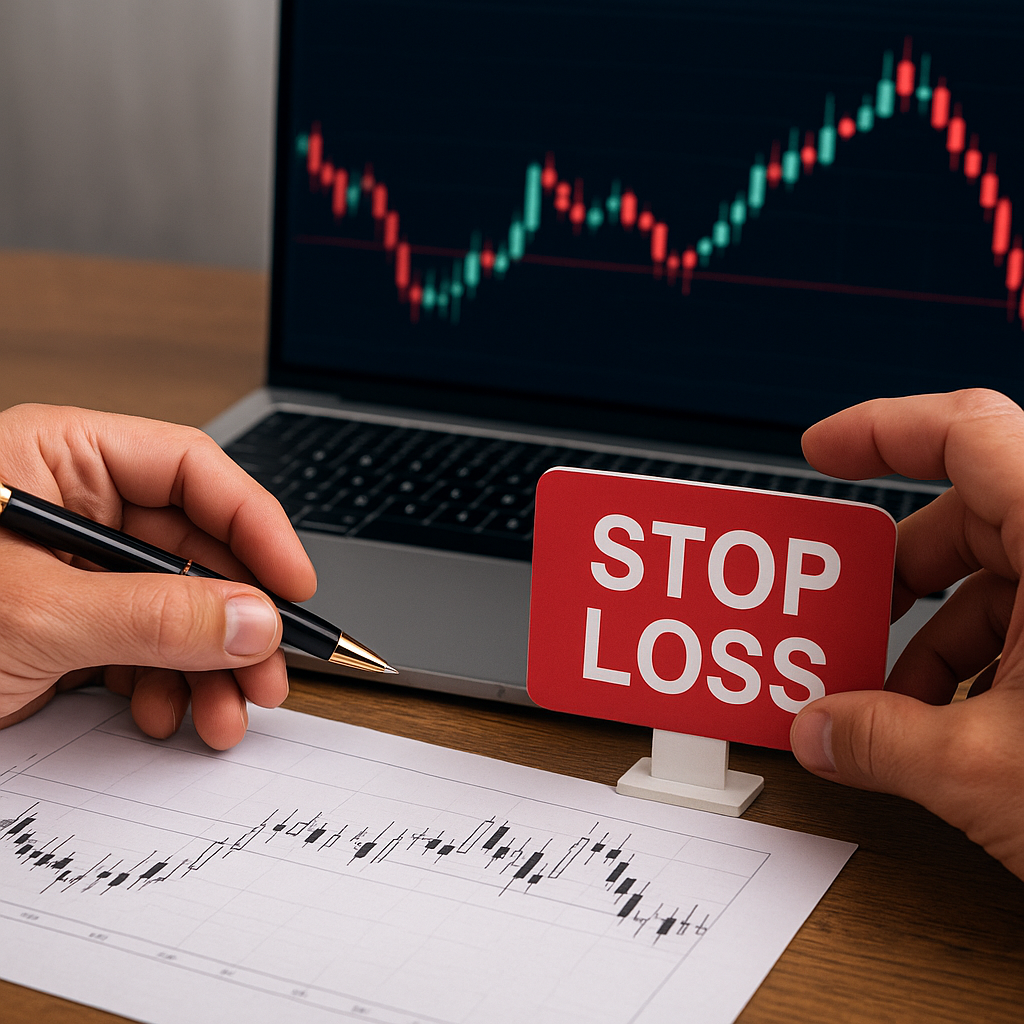
- Always place a stop-loss order to limit potential losses. Determine levels based on technical zones or average true range.
- Define take-profit targets in line with support/resistance levels or predetermined **risk-reward** ratios, typically 1:2 or higher.
- Utilize trailing stops to lock in gains as price moves in your favor while allowing room for market fluctuations.
Risk-Reward Ratios
- Adopt a minimum risk-reward ratio of 1:2, meaning you stand to gain at least twice what you risk on each trade.
- Calculate position size so that the maximum loss on any trade does not exceed a certain percentage (e.g., 1–2%) of your total equity.
- Focus on high **expectancy** setups, where historical win rate and average profit per trade combine to produce a positive edge.
Position Sizing Techniques
- Use the fixed fractional method: risk the same percentage of your account on every trade.
- Consider the Kelly Criterion for more advanced allocation, balancing growth potential against drawdown risk.
- Adjust position sizes dynamically based on changing market **volatility**, reducing exposure during choppy conditions.
Strategy Development and Testing
Before risking real capital, thoroughly test your strategy using historical data and simulated trading environments. This process uncovers weaknesses and refines your rules.
Defining Entry and Exit Rules
- Clearly articulate the conditions that trigger a trade entry, whether a breakout, pullback, or indicator crossover.
- Specify exact exit criteria: profit targets, stop-loss levels, or signal-based exits to avoid emotional decision-making.
- Ensure each rule is objective, easy to execute, and avoids ambiguous language that could lead to hesitation.
Backtesting and Walk-Forward Analysis
- Backtest on multiple currency pairs and timeframes to confirm your strategy’s **robustness** across varying market regimes.
- Perform walk-forward analysis by optimizing parameters on one dataset and testing on a subsequent period to prevent data snooping.
- Analyze key performance metrics: Sharpe ratio, maximum drawdown, average win/loss, and overall **profit factor**.
Optimization and Avoiding Overfitting
- Limit the number of parameters you optimize; too many variables can lead to curve-fitting and poor future performance.
- Prioritize simple rules that capture broad market behavior rather than highly specific conditions that only work on historical data.
- Regularly re-evaluate and tweak your strategy to adapt to evolving market **conditions**, but avoid constant parameter chasing.
Implementation and Discipline
Even the best strategy can fail without proper execution and the right mindset. Cultivating discipline and tracking performance are essential for long-term success.
Trading Journal and Performance Review
- Maintain a detailed journal documenting every trade: entry/exit points, rationale, emotions, and post-trade reflections.
- Review your journal weekly to identify recurring mistakes and areas for improvement.
- Use journal insights to refine your rules, eliminate poor setups, and capitalize on strengths.
Psychological Factors and Emotional Control
- Understand common biases such as overconfidence, loss aversion, and recency bias that can undermine decisions.
- Develop a pre-trade routine that calms your mind and ensures you follow your plan instead of reacting impulsively.
- Implement breaks after a series of winning or losing trades to reset emotions and maintain **objectivity**.
Continuous Improvement and Adaptation
- Stay informed about technological advancements like algorithmic tools, automated execution, and machine learning models.
- Engage with trading communities, attend webinars, and read research to incorporate fresh ideas and maintain a competitive edge.
- Regularly revisit your core strategy rules to confirm they remain aligned with current market **structure** and behavior.