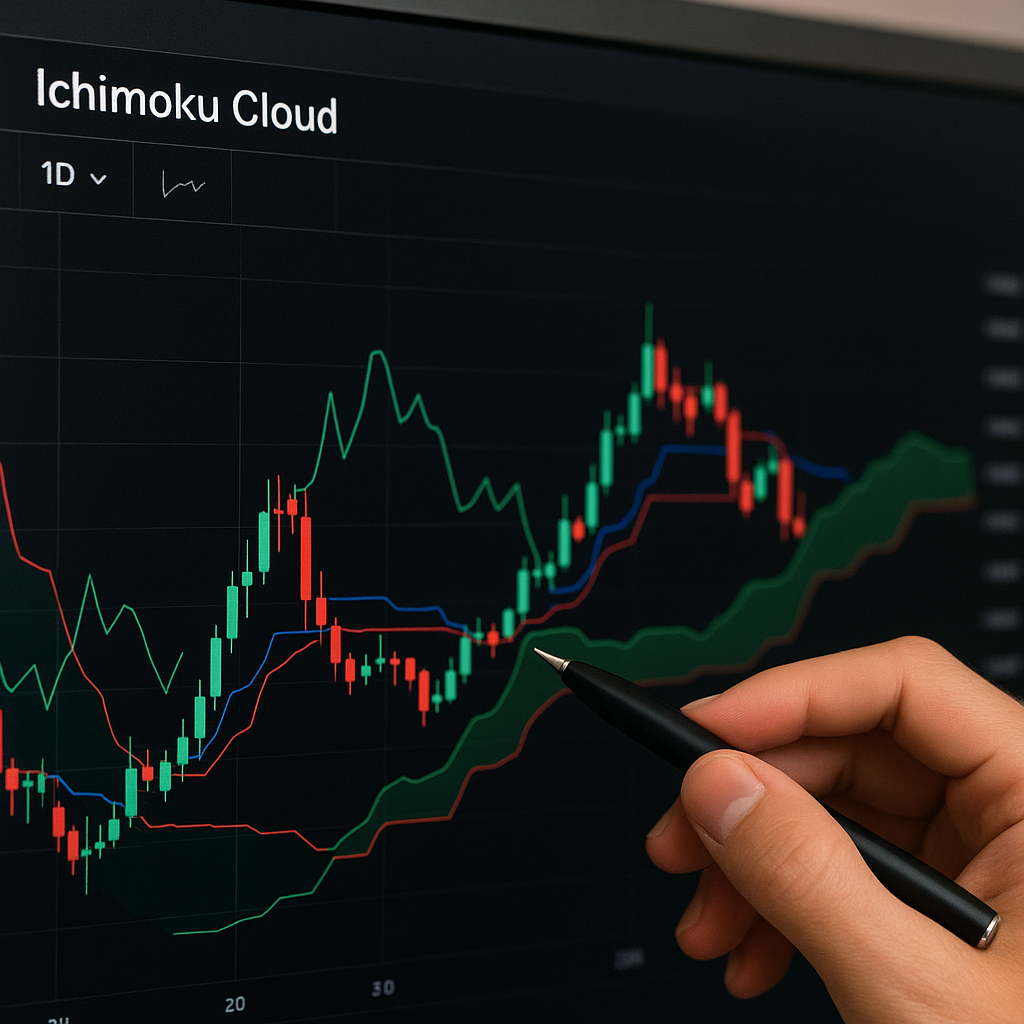
Emotional discipline often separates successful forex traders from those who struggle to maintain consistency. In the fast-paced world of currency markets, impulsive reactions to price swings can lead to significant losses. By understanding the roots of trading psychology, establishing a solid framework for risk control, and leveraging reliable tools, you can minimize the impact of emotions on your decisions. This guide explores proven methods to avoid emotional trading decisions and cultivate a rational, systematic approach to the foreign exchange market.
Psychology and Emotional Triggers in Forex Trading
Before diving into specific tactics, it’s crucial to recognize the powerful role of the human mind in financial decision-making. Whether you’re a beginner or a seasoned trader, your mindset can either amplify profits or deepen losses.
Fear vs. Greed
Fear and greed rank among the most prominent emotional triggers. Fear may cause you to close a position prematurely, while greed can lead to overleveraging or ignoring exit signals. Both extremes compromise your overall performance:
- Fear: Exiting profitable trades too early, avoiding entry points, hesitating to commit capital.
- Greed: Chasing unrealistic returns, doubling down on losing trades, neglecting stop-loss orders.
Self-Awareness and Cognitive Biases
Cognitive biases distort your perception of risks and rewards. Common biases include confirmation bias (favoring information that supports your views) and loss aversion (experiencing losses more intensely than gains of the same size). Boost self-awareness by keeping a trading log where you note the psychology behind each decision. Over time, patterns will emerge, helping you identify when emotions are taking control.
Implementing Robust Risk Management and Strategic Planning
Emotional decisions often arise when risk is ill-defined or when traders lack a clear strategy. Building a robust plan anchored by objective rules reduces guesswork and impulsive behavior.
Defining Risk Tolerance
Assess your risk appetite by considering factors like account size, personal financial obligations, and overall market volatility. A well-defined risk tolerance helps you set position sizes that you can mentally and financially sustain.
Establishing Entry and Exit Rules
Successful traders rarely rely on gut feeling alone. Instead, they craft precise rules for entering and exiting trades, often based on technical or fundamental indicators. Examples include:
- Technical Breakouts: Enter when price closes above a significant resistance level on your chosen timeframe.
- Moving Average Crossovers: Use a fast and slow moving average to signal trend shifts.
- Fundamental Triggers: Trade around key economic releases, but only if your risk parameters are met.
By adhering to these rules, you eliminate the temptation to act on fleeting market noise.
Implementing Stop-Loss and Take-Profit Orders
Automatic exit orders are your frontline defense against emotional overreactions. A stop-loss closes a trade at a predetermined level to cap losses, while a take-profit locks in gains once price reaches a target. Combining both safeguards ensures that every position has a defined risk-reward profile.
Leveraging Tools and Consistency to Maintain a Disciplined Approach
Consistency is the cornerstone of long-term success in forex. Tools and routines help institutionalize discipline, making it easier to stick to your plan even when markets get chaotic.
Trading Journal and Performance Review
Maintaining a detailed trading journal offers deep insights into your performance. Document the following for each trade:
- Currency pair, entry price, exit price, position size
- Reason for entering the trade (strategy or signal)
- Emotional state during entry and exit
- Outcome and lessons learned
Regularly review your journal to measure adherence to your rules. Spot recurring mistakes, such as moving stop-loss levels or deviating from your strategy, and correct them proactively.
Algorithmic and Automated Solutions
Algorithmic trading systems apply predefined criteria to execute trades without human intervention, eradicating emotional biases. You can either subscribe to a professionally developed expert advisor or program your own rules using platforms like MetaTrader. Key benefits include:
- Automation: Entries and exits strictly follow your strategy, preventing impulsive orders.
- Backtesting: Validate your approach on historical data to gauge robustness.
- Scalability: Handle multiple strategies or currency pairs simultaneously without stress.
Routine and Discipline
Establish daily or weekly routines that ground your trading activities. For instance:
- Pre-market checklist: Review upcoming economic events, market sentiment, and open positions.
- Mid-session review: Assess whether your trades align with evolving conditions or if you need to adjust risk exposure.
- Post-session analysis: Update your journal, analyze performance, and refine strategy parameters.
By institutionalizing these steps, you build consistency and reinforce positive habits over time.
Advanced Strategies to Guard Against Emotional Pitfalls
Beyond fundamental risk controls, several advanced techniques can fortify your emotional resilience and sharpen your execution.
Position Sizing Models
Position sizing determines how much capital to allocate per trade based on defined risk. Popular models include:
- Fixed Fractional: Risk a constant percentage of your account on each trade.
- Volatility-Based: Adjust position size according to recent price volatility, ensuring stable risk per trade.
Implementing these models ensures you don’t overexpose yourself during volatile periods, a common source of stress-driven mistakes.
Stress-Management Techniques
Emotional control isn’t solely a trading issue but a lifestyle skill. Techniques like deep-breathing exercises, meditation, and short breaks can prevent cognitive overload. Treat your trading setup as a high-stakes environment—maintain physical comfort, minimize distractions, and schedule periodic rest to stay mentally sharp.
Peer Accountability and Mentorship
Joining a community or pairing with a trading mentor creates external checks on your behavior. Sharing trade ideas and performance fosters accountability, making you less likely to stray from your plan. Peer feedback can also uncover blind spots and introduce fresh perspectives on risk mitigation.
Maintaining Long-Term Growth Through Emotional Mastery
True mastery in forex trading transcends mere technical skill; it demands sustained emotional equilibrium. As market conditions evolve, you’ll face drawdowns, streaks of wins or losses, and unpredictable geopolitical events. By integrating the strategies outlined above—grounding decisions in risk management, leveraging automation, and cultivating self-awareness—you build a resilient framework capable of weathering the most turbulent sessions.
Ultimately, the most successful currency traders harmonize rational analysis with a controlled emotional state. By acknowledging your psychological triggers, instituting strict guidelines, and employing practical tools, you transform emotional volatility from a detriment into an opportunity for growth, ensuring that every trade reflects sound judgement rather than fleeting passion.