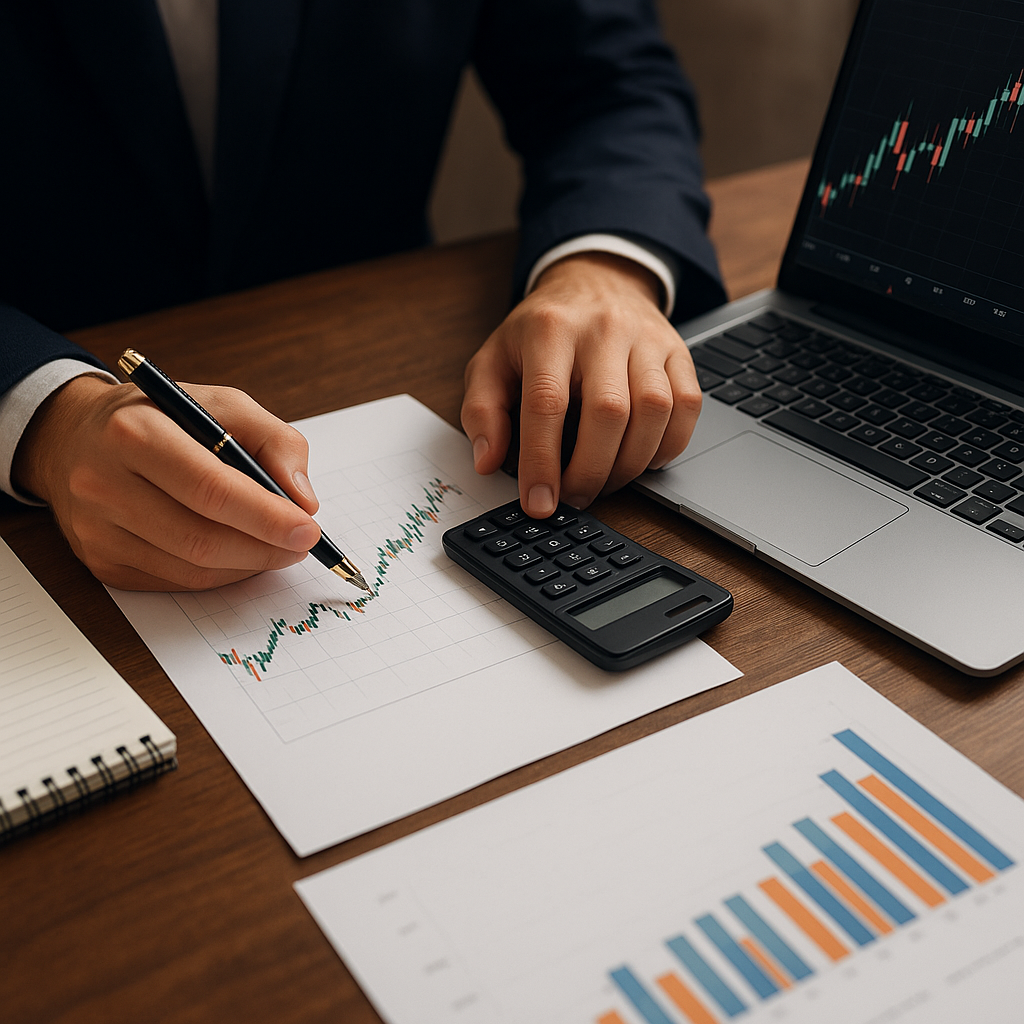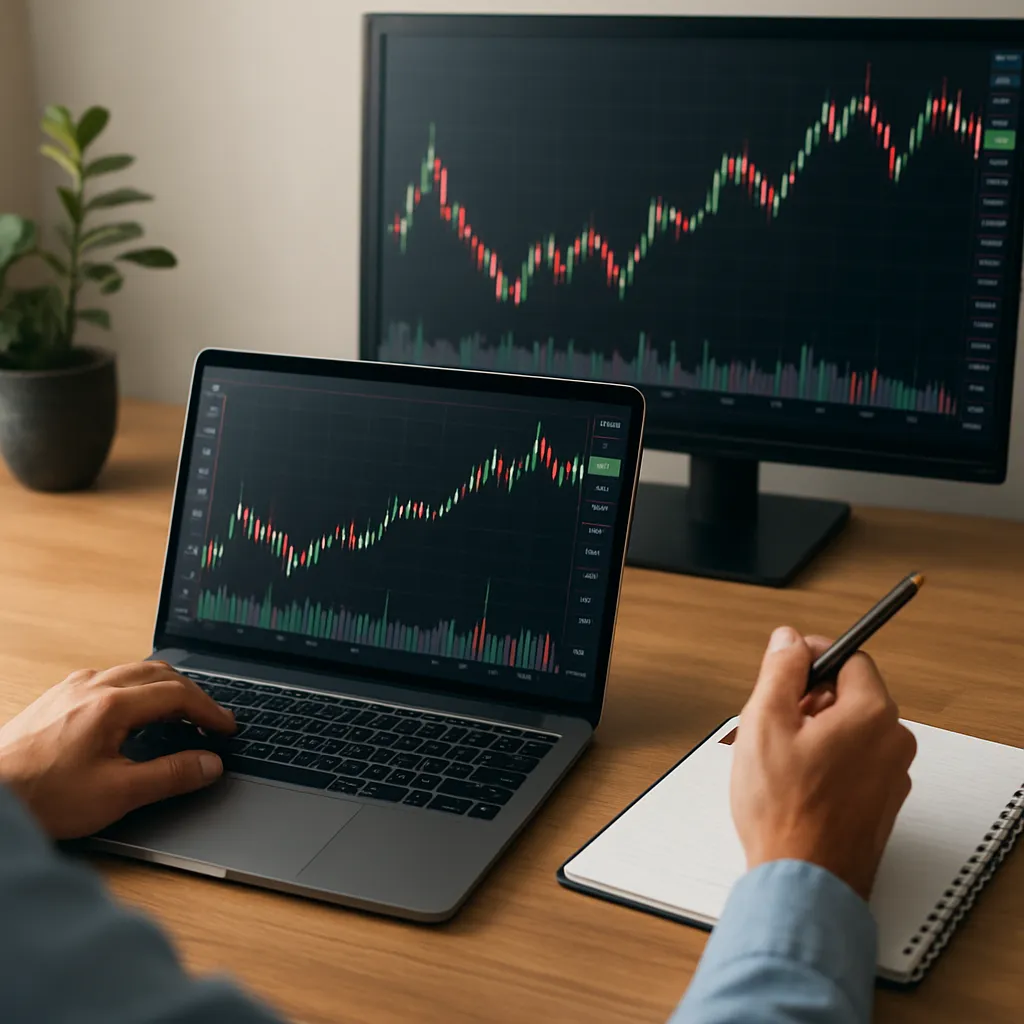
Using a **trading simulator** is one of the most effective ways to sharpen your skills in the fast-paced world of **foreign exchange**. By replicating live market conditions without risking real capital, you gain the confidence and insight needed to navigate the volatile forex landscape. Whether you’re a complete beginner or an experienced trader seeking to refine new strategies, practicing on a robust simulator can bridge the gap between theory and success.
Benefits of Practicing with a Forex Simulator
Before committing funds to a live account, mastering key concepts and mechanics in a risk-free environment is invaluable. Here are several advantages:
- Risk Management: Experiment with position sizing, stop-loss orders, and take-profit levels to understand how market movements impact your equity.
- Strategy Testing: Backtest historical scenarios and run through various approaches—trend following, range trading, carry trade—to see which suits your style.
- Order Execution: Familiarize yourself with order types (market, limit, stop) and execution speeds to improve your timing in live conditions.
- Leverage: Learn how different leverage ratios amplify both gains and losses, teaching you how to manage margin requirements responsibly.
- Demo Account: Use a simulated account that mirrors real-world spreads, commissions, and slippage to get an authentic feel for execution quality.
Key Features to Look for in a Simulator
Not all simulators are created equal. To derive maximum benefit, seek platforms that offer:
- Real-Time Data: Live price feeds from global liquidity providers ensure your practice reflects current market sentiment.
- Historical Data Depth: Extensive archives allow you to replay major events—like central bank announcements or geopolitical shocks—and observe price reactions.
- Customizable Trading Platform: Charting tools, technical indicators, drawing capabilities, and multiple timeframes help you develop technical analysis skills.
- Backtesting Module: Automate strategy testing over thousands of ticks or candles, identifying weaknesses before applying them live.
- Performance Analytics: Detailed reports on win rate, profit factor, drawdown, and expectancy guide your improvement areas.
- Mobile Compatibility: Practice on the go with smartphone or tablet apps that sync with your desktop account.
How to Develop a Practice Routine
Consistency is critical when building trading proficiency. Consider the following structured approach:
1. Define Clear Objectives
- Set measurable targets: Daily profit goals, maximum drawdown limits, or strategy-specific KPIs.
- Track progress in a trading journal: Record entries, exits, rationale, and emotional state to cultivate discipline and self-awareness.
2. Warm-Up Sessions
- Review overnight news and economic calendars to anticipate volatility spikes.
- Scan multiple currency pairs—major, minor, exotics—to stay diversified and adaptable.
3. Focused Strategy Drills
- Allocate dedicated blocks of time to test one setup at a time, whether it’s a breakout pattern, moving average crossover, or Fibonacci retracement.
- Use adjustable trade sizes to simulate varying risk profiles—scalping small lots versus swing trading larger contracts.
4. Post-Session Analysis
- Review both winning and losing trades to identify recurring strengths and weaknesses.
- Adjust your risk parameters, refine entry/exit signals, and tweak your trade management rules accordingly.
Advanced Techniques for Simulator Mastery
Once you’ve grasped the basics, elevate your practice by integrating sophisticated methods.
Monte Carlo Simulations
Stochastic modeling helps estimate how robust a strategy is under different market conditions. By randomly shuffling trade returns, you can assess the likelihood of achieving acceptable drawdowns and return distributions.
Walk-Forward Optimization
This approach divides historical data into segments for in-sample optimization and out-of-sample testing, reducing overfitting and ensuring your system performs across unseen market regimes.
Correlation and Portfolio Management
Simulators often allow you to trade multiple instruments simultaneously. Analyze correlations between EUR/USD, GBP/USD, USD/JPY, and cross pairs to build portfolios that balance risk and maximize diversification benefits.
News and Event Simulation
Some platforms let you replay past economic releases—like Non-Farm Payroll or central bank rate decisions—to test how a strategy handles sudden spikes in **liquidity** and volatility.
Common Pitfalls and How to Avoid Them
Even the best simulators can lull traders into bad habits. Be wary of these traps:
- Ignoring Slippage and Spread Widening: Some demo platforms offer unrealistically tight spreads, so always practice with settings that mirror live market conditions.
- Overleveraging: Avoid cranking up leverage to inflate simulated profits. This teaches reckless risk-taking that can destroy your account in a real environment.
- Over-Optimizing Strategies: Curve-fitting indicators until they work perfectly on historical data often leads to failure in live markets.
- Neglecting Emotional Conditioning: Simulated trades don’t involve real capital, so they fail to trigger fear or greed. Consider reducing demo balances to psychologically mimic real stakes.
- Skipping Post-Mortem Reviews: Failure to analyze mistakes and missed opportunities means repeating the same errors over and over.
Transitioning from Simulation to Live Trading
Once you’ve built a solid track record in simulation, approach live markets carefully:
- Gradual Scaling: Start with micro-lots and minimal risk per trade (e.g., 0.5–1% of account equity) before increasing position sizes.
- Maintain a Detailed Journal: Continue logging your live trades, emotional insights, and execution differences compared to the demo environment.
- Regularly Revisit Your Simulator: Even after going live, occasional simulator sessions help you test new patterns, refine strategies, and adapt to changing market dynamics.
- Continuous Learning: Follow reputable forex education resources, webinars, and community forums to stay updated on evolving tactics and macroeconomic developments.
Conclusion of Practical Forex Training
Mastery in foreign exchange trading doesn’t happen overnight. By leveraging a high-quality simulator, you gain invaluable experience with no capital at risk. From basic order types and chart analysis to advanced concepts like Monte Carlo simulations and walk-forward testing, a disciplined approach to practice sets the foundation for long-term success. Embrace the learning curve, prioritize effective risk management, and you’ll be well-prepared to tackle live markets with confidence.