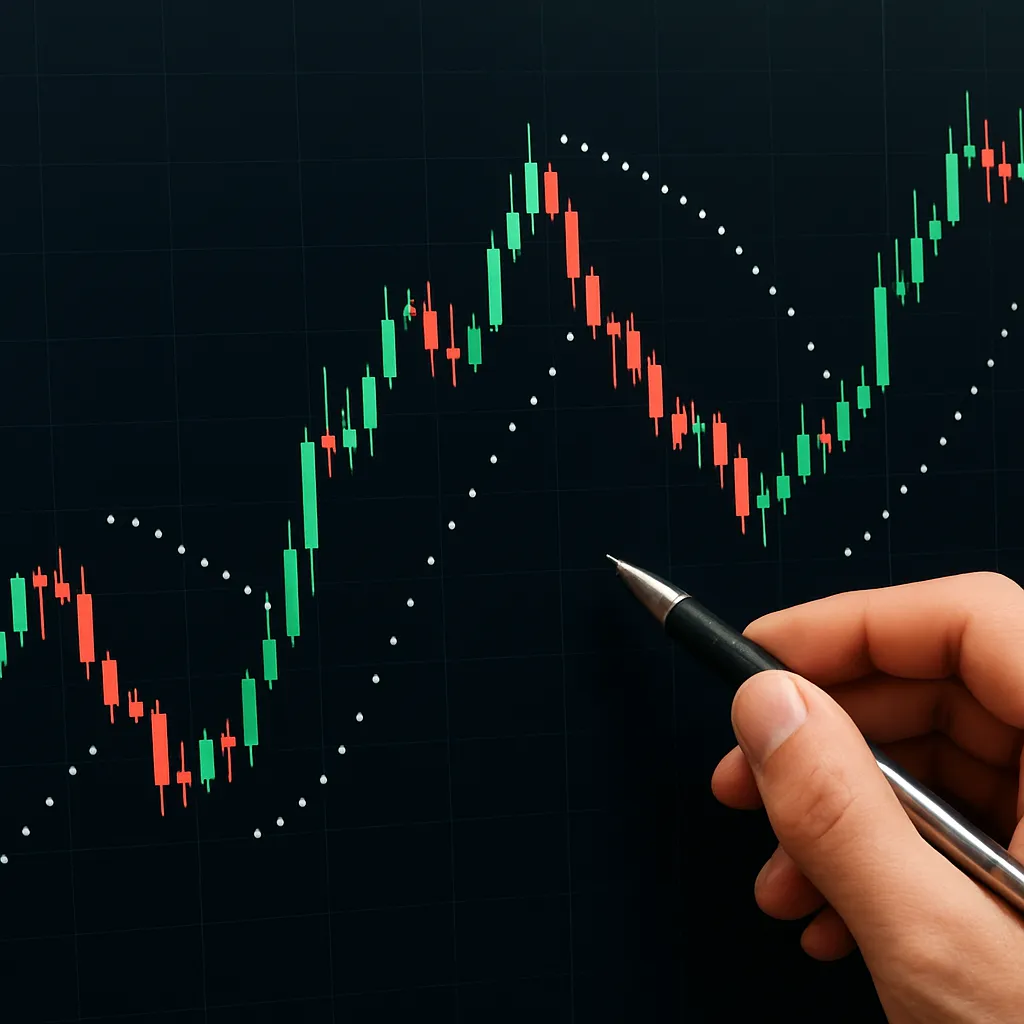
Mastering risk management in the world of foreign exchange demands a structured approach, combining robust analysis, disciplined execution, and ongoing refinement. Traders who focus on preserving capital while seeking growth cultivate sustainable success. The following sections explore key concepts, tools, and strategies to help you navigate volatility with confidence.
Understanding Forex Risk
Risk in the forex market stems from constant price fluctuations, geopolitical events, economic data releases, and shifts in investor sentiment. Before entering any trade, recognize that every position carries the possibility of loss. A clear grasp of volatility—the degree to which currency pairs swing in value—is essential. High volatility pairs like GBP/JPY can offer substantial profit potential but also magnify downside. Conversely, major pairs such as EUR/USD often exhibit tighter ranges, presenting lower, yet still meaningful, risk.
Exposure to risk depends on trade size, leverage, and market conditions. When economies announce interest rate decisions or employment figures, sudden price moves create both opportunities and hazards. Successful traders view risk not as a menace, but as a parameter to control. They establish boundaries around capital allocation, limit per-trade losses, and adapt to evolving market environments.
Essential Risk Management Tools
Stop-Loss Orders
Incorporating stop-loss orders into every strategy ensures predefined exit points for losing trades. By setting stops at logical technical levels—below support for buys or above resistance for sells—you automate discipline and prevent emotional decisions. Stops can be “hard” (placed at a fixed price) or “trailing,” which adjust in your favor as price moves. Regardless of type, always calculate the distance between entry and stop in pips, then convert pips to monetary value to stay within acceptable limits.
Risk-Reward Ratio
The risk-reward ratio compares potential loss to potential gain. A typical rule of thumb is 1:2 or higher, meaning you stand to gain twice as much as you risk. Maintaining favorable ratios allows a trader to be profitable even with a win rate under 50%. For example, risking $100 to achieve $200 profit means a 40% win rate still yields net positive returns over time.
Position Sizing Calculators
An accurate position sizing calculator determines the number of lots to trade based on account size, risk percentage per trade, and stop-loss distance. Many platforms offer built-in tools, but manual formulas work just as well. Decide on a maximum risk level—often 1% to 3% of account equity—and use this input to compute lot size. This practice preserves capital and alleviates stress, knowing no single trade can significantly deteriorate your account.
Strategies for Position Sizing and Leverage
- Fixed Fractional Method: Risk a constant percentage of equity on every trade. If your account grows, your absolute risk increases proportionally, magnifying returns while still capping losses.
- Fixed Ratio Method: Increase trade size only after achieving a set profit target. This approach slows risk growth relative to profits, further safeguarding your account during drawdowns.
- Kelly Criterion: Utilize a statistical formula to calculate the optimal fraction of capital to risk, balancing between growth and drawdown. While mathematically robust, many traders prefer to scale down the Kelly result to reduce volatility.
Leverage is a double-edged sword. It amplifies gains but equally magnifies losses. A 100:1 leverage means a 1% adverse move wipes out your margin. Conservative traders rarely exceed 10:1 or 20:1. Always confirm margin requirements, understand rollover costs, and monitor margin utilization. When margin levels approach critical thresholds, brokers may issue margin calls or forcibly close positions, resulting in unexpected losses.
Backtesting and Scenario Analysis
Creating a robust trading plan involves thorough backtesting using historical data. Automated platforms allow you to simulate thousands of trades across different market conditions. Document your results, focusing on metrics such as maximum drawdown, profit factor, and percentage of profitable trades. Performing scenario analysis—running stress tests under extreme volatility—reveals vulnerabilities that might not appear during normal periods.
Keep a trading journal to track every entry, exit, and modification. Note the rationale behind decisions, emotional state, and external factors influencing your judgment. Over weeks and months, patterns often emerge. For instance, you may notice increased mistakes after consecutive losses, indicating a need for breaks or reduced risk. Journaling transforms subjective experiences into actionable improvement points.
Emotional Control and Discipline
Even the most advanced risk management framework can falter without proper psychology. Fear and greed are potent adversaries. Fear may lead to premature exits or hesitation, while greed tempts traders to ignore risk parameters in pursuit of outsized gains. Successful market participants cultivate a calm mindset, sticking to pre-defined rules regardless of outcomes.
- Establish daily checklists before trading to verify market conditions and mental readiness.
- Incorporate regular breaks to avoid fatigue and impulsive decisions.
- Set realistic performance goals, focusing on process over profit targets.
Group discussions, mentorship, and peer reviews can also reinforce discipline. Sharing trade ideas and risk parameters with a trusted community creates accountability. Constructive feedback highlights blind spots and encourages continuous growth.
Advanced Techniques for Diversification
While forex trading itself involves currency pairs, you can further diversify risk by exploring different approaches. For example, combine trend-following systems with mean-reversion strategies. Alternatively, trade across multiple timeframes: scalp on a 5-minute chart, capture swing trades on an hourly chart, and monitor macro trends on daily charts. This multi-style approach smooths equity curves and reduces correlation between trades.
Another layer of diversification involves geographical exposure. If you trade EUR/CHF and USD/JPY, you mitigate risks specific to the Eurozone or Japanese economy. However, keep correlation analysis in your toolkit. Pairs often move together under global risk-off or risk-on sentiment, so avoid overexposure to highly correlated instruments.
Continuous Improvement and Adaptation
Risk management is not a one-time setup but an ongoing practice. Market dynamics shift, technology evolves, and your personal circumstances change. Schedule quarterly reviews of your trading plan. Evaluate the effectiveness of stop levels, risk-reward targets, and position sizing rules. Incorporate new research, tools, or indicators if they pass your backtesting criteria.
Stay informed about regulatory updates and broker policies. Changes in margin requirements or leverage caps can impact your strategy. Maintain multiple brokerage accounts to diversify counterparty risk and platform capabilities. Finally, embrace a growth mindset: treat every drawdown as a learning opportunity, sharpen your skills, and remain humble in the face of markets that often defy expectations.