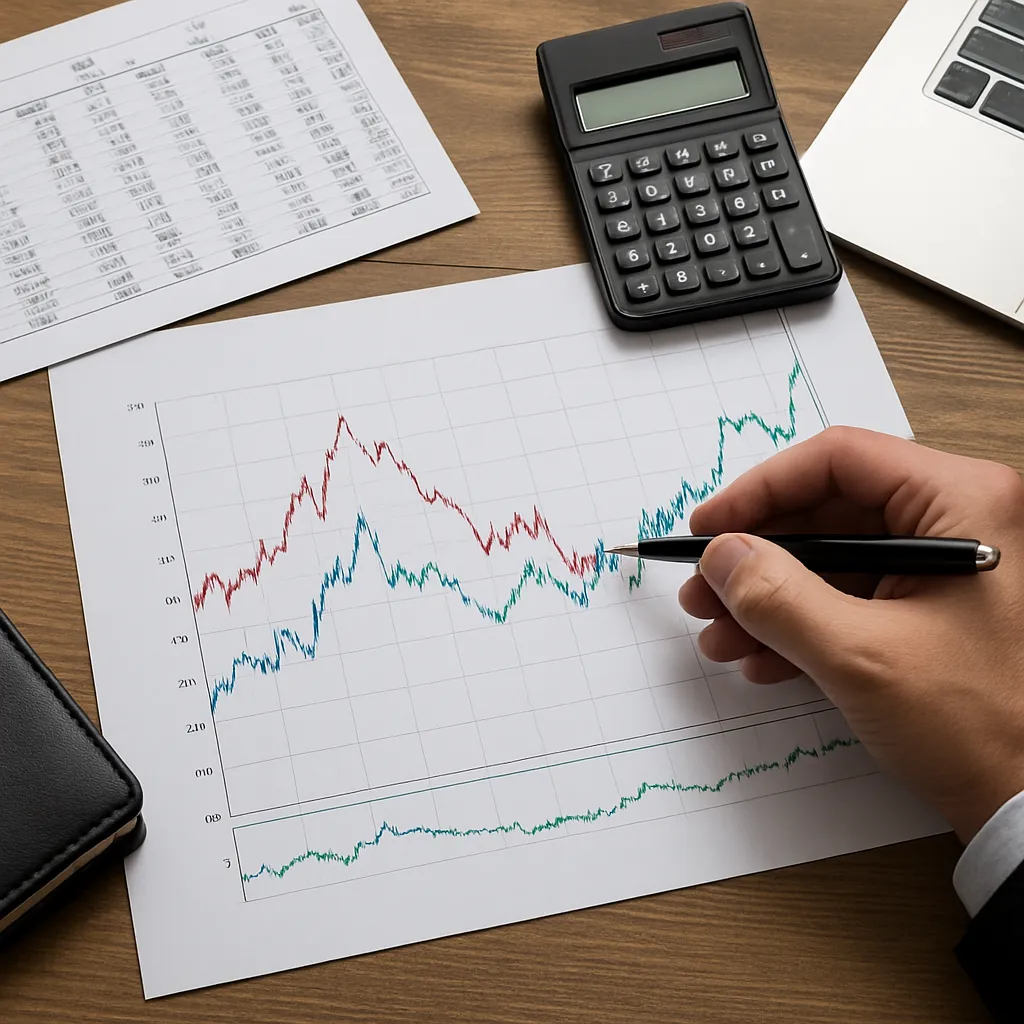
Mastering foreign exchange trading demands more than technical know-how; it requires unwavering discipline to navigate volatile markets and capitalize on every opportunity. Without consistent effort and self-control, even the most promising strategy can falter. This article explores practical methods to strengthen mental fortitude, establish reliable routines, and leverage modern tools to enhance your forex trading journey.
Understanding the Psychology Behind Trading Discipline
Successful forex traders recognize that psychology is as critical as market analysis. Emotions like fear, greed, and impatience can sabotage a trade before it starts. Acknowledging these tendencies allows you to craft safeguards against impulsive decisions:
- Identify emotional triggers that prompt premature entries or exits.
- Develop coping mechanisms such as deep-breathing exercises or stepping away from the screen for a brief break.
- Set strict rules regarding position size and stop-loss levels to prevent runaway losses.
By confronting your biases head-on, you build a foundation of mental resilience that underpins enduring success in the forex market.
Cognitive Biases and Their Impact
Cognitive biases such as confirmation bias, overconfidence, and loss aversion often mislead traders. To counteract these:
- Document every trade rationale in a journals to create an objective record.
- Ask a peer or mentor to review your trade plans, offering an external perspective.
- Perform regular self-assessments to gauge whether past mistakes are being repeated.
Building a Robust Trading Routine
A well-structured routine fosters consistency and reduces the likelihood of spontaneous, emotion-driven trades. The following steps outline how to shape daily and weekly rituals to keep your focus razor-sharp:
Pre-Market Preparation
- Review economic calendars for upcoming risk management events like central bank announcements.
- Analyze 4H and daily charts to identify prevailing trends and potential reversal zones.
- Update your trading goals to reflect evolving market conditions and personal progress.
Proper preparation primes your mind and sets clear limits, preventing poor decisions born from uncertainty.
Trade Execution Protocols
Execution discipline hinges on well-defined entry and exit criteria:
- Use limit orders or automated entry triggers to remove emotional bias.
- Adhere to predetermined stop-loss levels and never move them in the heat of the moment.
- Implement trailing stops to lock in profits while respecting market volatility.
Post-Trade Analysis
Every successful trader maintains a cycle of review and refinement:
- Log trade outcomes, noting adherence or deviations from the initial plan.
- Calculate key performance metrics such as win rate, average risk-reward ratio, and drawdown.
- Adjust your approach based on data-driven insights rather than gut feelings.
Advanced Techniques to Reinforce Discipline
Beyond routines and mental conditioning, certain advanced techniques can further elevate your trading discipline and sharpen decision-making.
Leveraging Technology and Automation
Automated trading systems and algorithmic strategies can eliminate emotional interference. Consider these steps:
- Backtest EAs (Expert Advisors) extensively on historical data before deploying them in live accounts.
- Set strict parameters for maximum daily drawdown and margin usage to protect capital.
- Regularly review system performance and update code to adapt to shifting market regimes.
Automation acts as a constant enforcer of your established rules, ensuring that discipline never wavers, even during market stress.
Goal-Setting and Accountability Structures
Clear goals tied to objective metrics forge a path of steady improvement:
- Define monthly profit targets and maximum permissible drawdowns.
- Break down long-term ambitions into weekly and daily milestones.
- Join or form mastermind groups to share progress and maintain mutual accountability.
Continuous Education and Skill Refinement
The forex landscape evolves rapidly. Maintaining discipline demands ongoing learning:
- Subscribe to reputable research services and economic newsletters.
- Invest in specialized courses on advanced charting techniques, intermarket analysis, or options hedging.
- Test new concepts in a demo environment before risking real capital.
Risk Control and Capital Preservation
Even the best strategy can underperform without solid risk controls. Discipline in money management ensures survival through adverse cycles:
Position Sizing and Leverage Management
Determining the right position size is paramount:
- Calculate risk per trade as a small percentage of total equity (commonly 1–2%).
- Avoid excessive leverage; it amplifies both gains and losses beyond sustainable levels.
- Adjust position sizes dynamically based on current volatility readings (e.g., Average True Range).
Embracing Patience and Long-Term Perspective
While short-term setups provide frequent opportunities, waiting for the highest probability setups often yields the best results. Cultivating patience prevents overtrading and minimizes frictional losses from spreads and commissions.
Maintaining Mental and Physical Well-Being
Peak performance requires a healthy body and mind. Integrate the following into your lifestyle:
- Regular exercise and sufficient sleep to sustain cognitive sharpness.
- Meditation or mindfulness routines to reduce stress during drawdown periods.
- A balanced diet and proper hydration to avoid energy dips that can lead to impulsive decisions.
Conclusion on Mastering Discipline in Forex
Developing rock-solid planning skills, self-awareness, and leveraging modern tools are pivotal to trading success. By systematically applying the techniques outlined—ranging from cognitive bias mitigation to automation and robust risk controls—you will fortify your trading process and achieve sustainable growth in the forex markets.