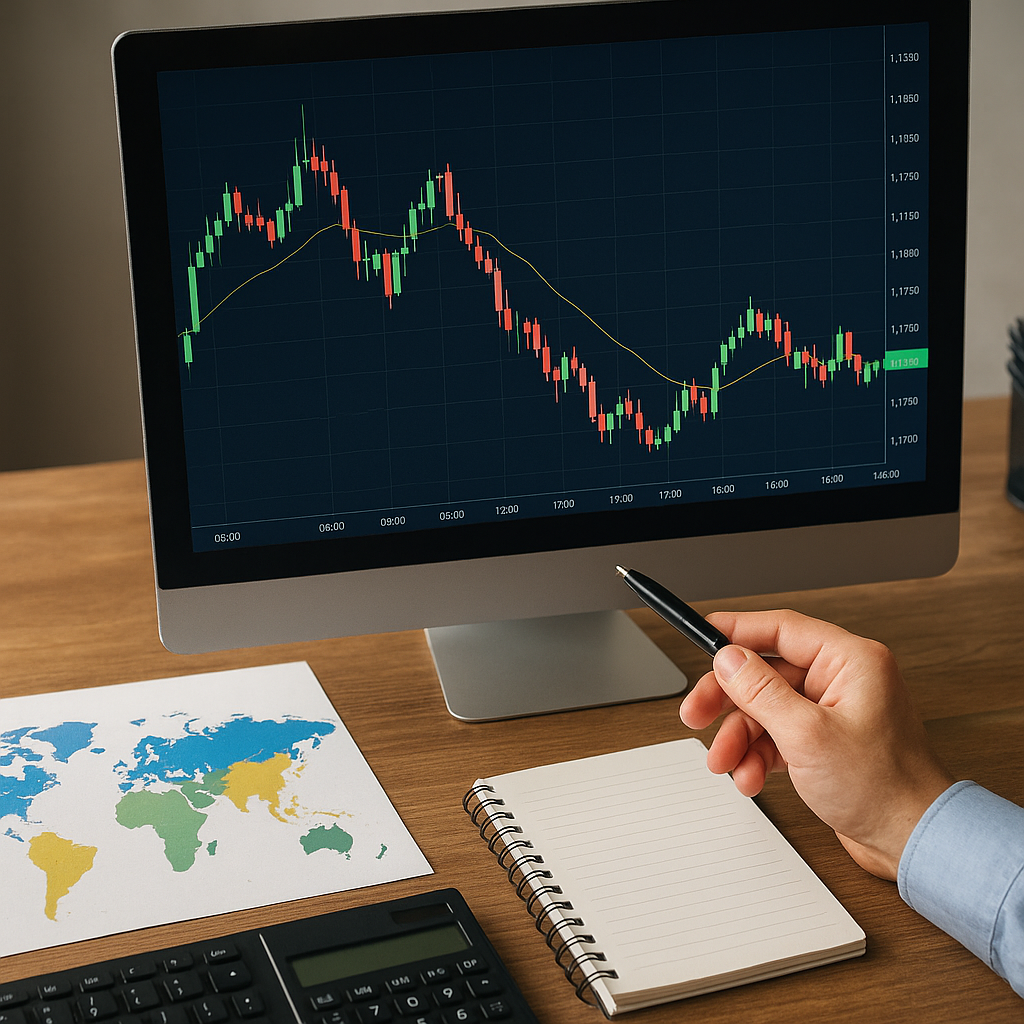
The foreign exchange market operates around the clock, divided into distinct windows where currencies are bought and sold. Understanding these timeframes can give traders a competitive edge, offering insights into fluctuations in liquidity and volatility. This article explores the major Forex trading sessions, explains why they matter, and provides actionable guidance for aligning your trading strategy with optimal market hours.
Global Forex Trading Sessions Explained
The Forex market is segmented into four primary sessions based on major financial centers: Tokyo, London, New York, and Sydney. Each session has its own characteristics and influences on currency pairs.
- Tokyo – Also referred to as the Asian session, Tokyo opens at 00:00 GMT and closes at 09:00 GMT. Activity is concentrated on JPY pairs and other Asian crosses.
- London – Often seen as the most active session, London runs from 08:00 GMT to 17:00 GMT. EUR, GBP, and CHF pairs experience heightened liquidity and tighter spreads.
- New York – Starting at 13:00 GMT and ending at 22:00 GMT, the US session overlaps with London for several hours, creating a powerful period for the USD.
- Sydney – Though smaller in scale, the Sydney session (22:00 GMT to 07:00 GMT) sets the tone for the Asia-Pacific region and often precedes the Tokyo opening.
Traders must be aware of the opening and closing times of each session, as price sensitivity can vary drastically. During quieter periods, price action might be slow or choppy, whereas active sessions can produce rapid moves.
Significance of Overlaps and Market Dynamics
One of the defining features of the Forex world is the session overlap—the intervals when two markets are open simultaneously. Overlaps often yield the best conditions for high-frequency trading, scalping, and breakout strategies.
Key overlaps include:
- London–New York (13:00–17:00 GMT): The busiest overlap, accounting for more than half of daily global Forex volume.
- Tokyo–London (08:00–09:00 GMT): A shorter window but still relevant for GBP/JPY and EUR/JPY movements.
- Sydney–Tokyo (00:00–07:00 GMT): Influences AUD/JPY, AUD/USD, and other Asia-Pacific crosses.
During overlap periods, sharp shifts in sentiment can trigger significant volatility. Spreads narrow as liquidity deepens, allowing traders to enter positions with minimal slippage. Conversely, when sessions close, spreads often widen, and markets can range-bound.
Session-Based Trading Strategies and Tips
Aligning your strategy with session characteristics is crucial. Here are several approaches that leverage the unique traits of each timeframe:
- Breakout Trading – Best suited for the London–New York overlap when volatility spikes. Identify consolidation zones and place orders near support or resistance breakouts.
- Range Trading – During the quiet Sydney or Tokyo sessions, ranges often form. Use oscillators like RSI or Stochastics to spot overbought and oversold levels.
- News-Based Scalping – Focus on high-impact economic releases from Europe or the US. Rapid price action after announcements can yield quick profits if managed with strict risk management.
- Session Roll-Over Plays – Anticipate the London open by watching Asian session highs and lows; momentum may carry over into the new session.
Seasoned traders also keep an eye on market participants. Central banks, institutional investors, and hedge funds often execute orders at the start of major sessions. Spotting large orders can lead to informed entry and exit points.
Advanced Considerations for Session Timing
In addition to basic session data, other factors can influence which timeframe is best:
Correlation with Other Assets
Forex pairs often correlate with commodities and equities. For instance, AUD/USD may follow iron ore prices during the Sydney and Tokyo sessions. Recognizing these links helps forecast potential swings.
Seasonal Trends
Certain times of the year exhibit stronger trends. Holiday periods can shrink liquidity, leading to erratic movements. Major financial events, like year-end balance adjustments, can also trigger unexpected volatility.
Technology and Automation
Algorithmic systems thrive on predictable patterns. Automating entries and exits around session starts or overlaps can reduce human error. However, sophisticated traders should backtest any automated trading strategy across multiple market conditions.
Successful Forex trading demands more than just an understanding of currency fundamentals. Mastery of session dynamics equips traders with the knowledge to choose optimal entry and exit points, adapt to changing market rhythms, and capitalize on periods of heightened activity. By honing your approach around these time blocks, you maximize opportunities while controlling risk management parameters and improving long-term performance.