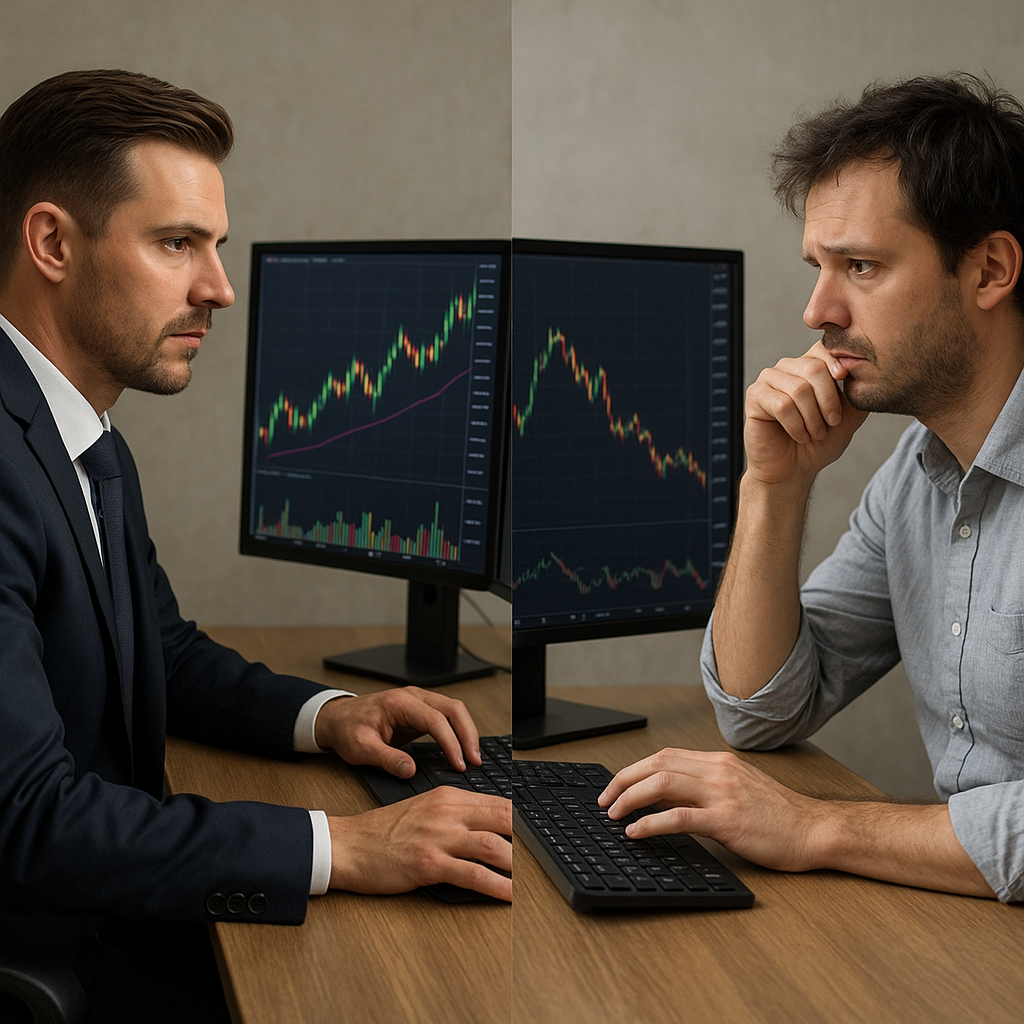
The foreign exchange market, often referred to as Forex, stands as one of the most dynamic and challenging arenas for traders worldwide. Success in this environment hinges not solely on intimate knowledge of currency pairs, but on a sophisticated blend of psychological resilience, systematic planning, and disciplined execution. What separates the professionals from the amateurs is not a matter of luck, but a rigorous approach to trading that encompasses mindset, risk control, strategy, and continuous improvement.
Mindset and Discipline
Professional Attitude
Professional traders approach the market with a laser focus on process rather than outcome. They understand that winning and losing are both inherent aspects of the game. Unlike amateurs who may chase quick profits or fall prey to impulsive decisions, professionals maintain discipline by following predefined rules for entry, exit, and position sizing. This disciplined framework helps them navigate periods of drawdown without deviating from their long-term plan.
Lifelong Learning
Forex markets evolve rapidly, driven by geopolitical events, central bank policies, and shifting economic indicators. Successful participants foster a culture of continuous education. They read research reports, attend webinars, backtest new ideas, and review their trades regularly. Their adaptability ensures they stay ahead of market shifts, adopting fresh techniques and refining old ones rather than relying on a fixed playbook.
Risk Management and Capital Preservation
Position Sizing Techniques
Amateurs often believe that the bigger the position, the greater the profit. Such thinking can be catastrophic when a trade moves against them. Professionals apply rigorous risk management by defining the maximum amount they are willing to lose on any single trade—often a small percentage of their total account. This practice preserves their capital, enabling them to survive inevitable losing streaks and remain in the game.
Use of Stop Losses and Limits
Setting automatic exit points protects against emotional decision-making. Professionals treat stop losses and take-profit orders as sacred elements of their trading plan. By automating these protective levels, they avoid the temptation to move stops further in hopes of a market reversal. This adherence fosters greater confidence and resilience in the face of market volatility.
Strategy and Analysis
-
Technical Analysis
Professionals employ a structured approach to chart reading, using indicators such as moving averages, Fibonacci retracements, and support/resistance levels. They combine multiple confirmation signals to increase the probability of success, rather than relying on a single oscillator or candle pattern. -
Fundamental Analysis
Beyond price charts, experts monitor economic calendars, central bank announcements, and macroeconomic trends. They develop a thematic view—such as anticipating rate differentials between the Federal Reserve and the European Central Bank—that guides their trade selection and time horizon. -
Correlation and Diversification
Seasoned traders understand how currency pairs interact. They avoid redundant positions in highly correlated pairs and diversify across uncorrelated instruments. This skillful allocation of trades reduces overall portfolio risk and smooths equity curve fluctuations.
Emotional Control and Psychology
One of the most striking differences between pros and amateurs lies in the realm of psychology. Emotional ups and downs can sabotage even the most well-conceived strategy. Professionals cultivate an objective mindset:
- They detach from ego, accepting losses as part of the process.
- They maintain patience, avoiding the pressure to overtrade in search of quick wins.
- They focus on statistical edge rather than individual trade outcomes.
- They embrace a routine that includes pre-market preparation and post-trade journaling, reinforcing positive behaviors and identifying areas for improvement.
Technology, Tools, and Efficiency
Efficient traders leverage cutting-edge technology to refine their process. This includes fast execution platforms, algorithmic strategies, and real-time data feeds. They automate repetitive tasks—such as scanning for setups or tracking trade metrics—so they can concentrate on high-value decisions. Additionally, they implement robust planning systems, mapping out daily and weekly objectives that guide their trading sessions with clarity and purpose.
Continuous Improvement and Professionalism
Performance Review
Amateurs often neglect systematic review of their trades. Professionals, by contrast, maintain detailed journals logging entry reasons, exit outcomes, and emotional state. They analyze performance metrics—win rate, profit factor, average risk/reward ratio—and pinpoint strengths and weaknesses. This iterative approach drives incremental gains in their overall edge.
Community and Mentorship
While seasoned pros prize independence, they also recognize the value of community. They exchange ideas with fellow traders, seek feedback from mentors, and participate in moderated forums. This collaboration fosters accountability and accelerates learning by exposing them to diverse perspectives and proven techniques.
Key Traits That Define Success
- Consistency: Adhering to a proven method, trade after trade.
- Strategy: Trading with a clear edge and defined rules.
- Resilience: Bouncing back from losses without deviating from the plan.
- Discipline: Following guidelines even when markets are volatile.
- Adaptability: Evolving strategies in response to changing market dynamics.
- Analysis: Making data-driven decisions over gut feelings.
- Patience: Waiting for high-probability setups rather than forcing trades.
- Planning: Establishing daily objectives and risk budgets.
- Psychology: Managing emotions to maintain objectivity.
- Technology: Utilizing tools that improve speed and accuracy.