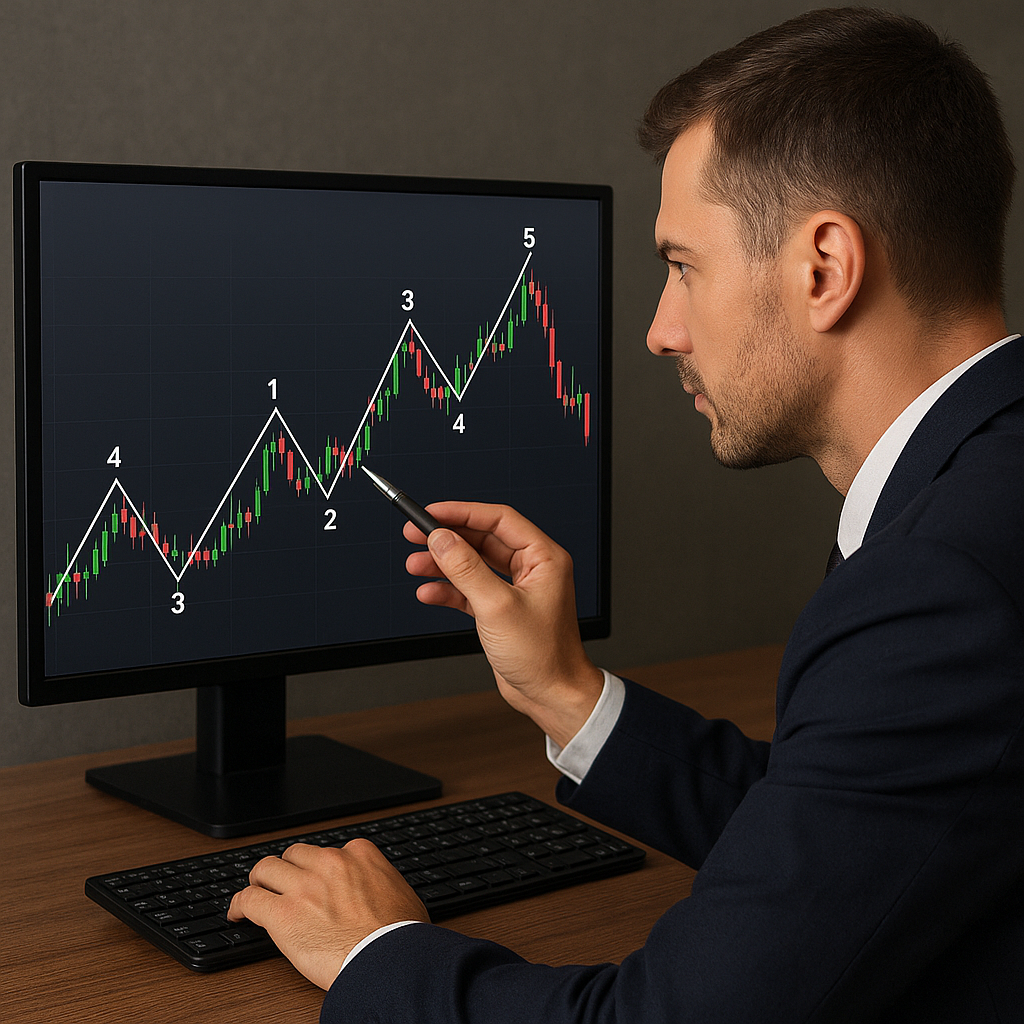
In the realm of currency trading, adaptability is the key to long-term success. Market conditions can shift rapidly under the influence of economic data releases, geopolitical events, and shifts in investor psychology. Traders who fail to adjust their approach risk significant losses, while those who remain agile can seize emerging opportunities. This article explores several practical strategies to help you pivot effectively when the foreign exchange landscape changes.
Understanding Market Dynamics
Before making any changes to your approach, it’s essential to grasp the underlying forces that drive exchange rates. Two major schools of thought—fundamental analysis and technical analysis—offer complementary insights.
Fundamental Drivers
- Interest rate differentials: Central bank policies affect cross‐currency yields, influencing capital flows and spot rates.
- Economic indicators: GDP growth, employment figures, and inflation metrics can trigger sustained trends or sharp reversals.
- Geopolitical developments: Trade wars, elections, and diplomatic tensions often introduce sudden spikes in volatility.
Technical Patterns
- Trend lines and channels: Identifying support and resistance helps you anticipate breakout or reversal points.
- Candlestick formations: Recognizing patterns like pin bars or engulfing shapes reveals shifts in trader sentiment.
- Momentum oscillators: Indicators such as RSI or MACD highlight overbought or oversold conditions before major corrections.
Understanding the interplay between these drivers allows you to spot early warning signs of trend exhaustion or acceleration. In a highly liquid FX market, ignoring either perspective may leave you unprepared for sudden paradigm shifts.
Building a Flexible Trading Plan
A rigid strategy that worked in a low‐volatility environment can break down when volatility spikes. Here’s how to design a plan that bends without breaking:
- Risk management: Define your maximum drawdown per trade and use position sizing rules that adjust based on market conditions.
- Diversification: Allocate capital across multiple currency pairs to avoid concentration risk when a single pair experiences extreme moves.
- Leverage control: Scale leverage down during high‐impact news events or when implied volatility is abnormally elevated.
- Hedging techniques: Use correlated pairs or options strategies to offset adverse moves in your main exposures.
Regularly revisit your plan’s parameters. In dynamic markets, what was once an acceptable 2% risk per trade might become too aggressive after a series of big swings. Stay disciplined by adapting your risk profile in real time.
Implementing Adaptive Techniques
Once you have a flexible framework, apply these tactical methods to navigate evolving trends:
Dynamic Position Sizing
Rather than risking a fixed fraction of your account, adjust the size of your trades based on the current liquidity and volatility. For example, during quiet Asian sessions, you might take on larger positions, while scaling down in the London–New York overlap when spreads widen.
Trailing Stops and Breakout Filters
- Use ATR‐based trailing stops that expand or contract with changing volatility, locking in profits while allowing winners to run.
- Incorporate breakout filters to confirm true momentum moves. For instance, require a close beyond a key level plus a minimum volume threshold.
Mean Reversion Adaptations
Markets often oscillate around a fair value. When extreme spikes occur, consider deploying mean reversion entries—but only after confirming that the spike is not the start of a new trend.
Leveraging Technology and Analytics
Advanced tools can boost your responsiveness to shifting conditions:
- Algorithmic trading: Develop scripts that automatically adjust stop‐loss distances and position sizes based on live volatility readings.
- Backtesting: Run historical simulations under various volatility regimes to validate your adaptive rules and avoid curve‐fitting.
- Real‐time data feeds: Subscribe to premium tick data to detect early liquidity shortages or sudden spikes in order flow.
- Machine learning models: Train algorithms on macroeconomic releases and sentiment data to forecast short‐term FX swings.
These technological enhancements allow you to scale your strategy and maintain discipline, even when human traders might hesitate under pressure. By combining robust analysis with automated execution, you ensure that no opportunity slips through the cracks.