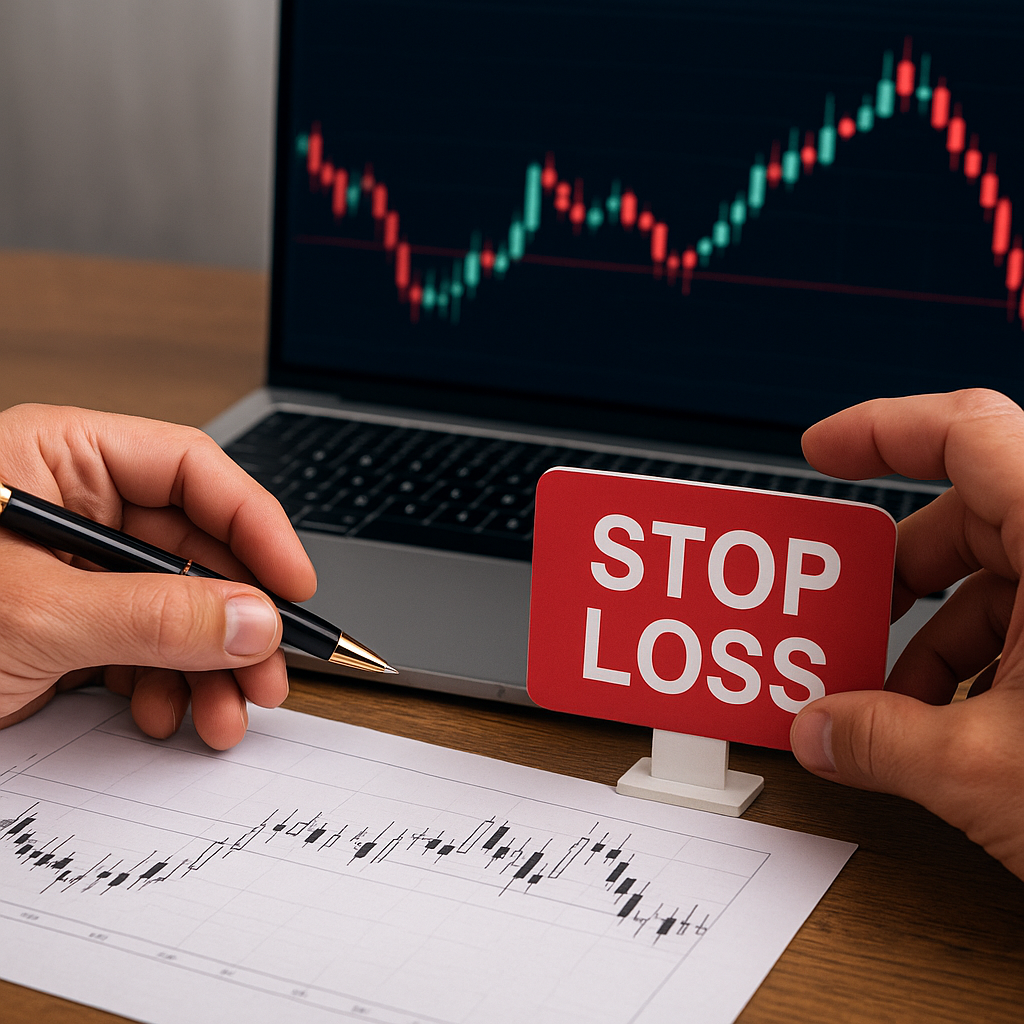
Stop loss orders are indispensable tools for foreign exchange traders seeking to navigate the unpredictable currents of the FX market. By defining predetermined exit points, traders can minimize potential losses and maintain a robust trading strategy. This article delves into the critical role of stop loss orders, the methods to implement them effectively, common pitfalls, and advanced techniques for optimizing performance.
Understanding Stop Loss Orders
At its core, a stop loss order is an instruction to automatically close a position when the price reaches a specified level. It serves as a key component of any risk management framework, ensuring that unexpected price swings do not erode trading capital beyond acceptable limits. Whether you are dealing with major pairs like EUR/USD or exotic crosses, a properly placed stop loss can be the difference between a controlled loss and a devastating account drawdown.
Types of Stop Loss Orders
- Fixed Stop Loss: A static price level set in advance, offering simplicity and clarity.
- Trailing Stop Loss: A dynamic exit point that moves with favorable market movements, locking in profits while still providing downside protection.
- Volatility-Based Stop Loss: Adjusts the buffer based on real-time volatility measures, such as Average True Range (ATR), to accommodate fluctuating market conditions.
Why Stop Loss Orders Matter in Forex Trading
Forex markets are renowned for their rapid shifts and occasional liquidity gaps around key news releases. These characteristics can lead to sharp price movements against open positions. By employing stop loss orders, traders exercise vital discipline in adhering to their trading plans, preventing emotion-driven decisions that often result in larger losses.
Preserving Trading Capital
Maintaining sufficient capital is fundamental to long-term success. Without stops, a single adverse move—whether triggered by unexpected economic data or geopolitical events—can wipe out significant portions of an account. A well-placed stop loss caps potential losses, enabling a trader to stay in the game for the next opportunity.
Mitigating Emotional Reactions
Psychological factors play a substantial role in trading outcomes. Fear and greed can cloud judgment, leading to impulsive entries or exits. By automating risk limits, stop loss orders remove the need for split-second decision-making under stress, fostering stronger emotional control and preventing costly mistakes.
Implementing Effective Stop Loss Strategies
Setting an optimal stop loss involves more than choosing an arbitrary pip distance. It must align with market structure, volatility patterns, and your individual trading style.
Support and Resistance Approach
- Identify key support and resistance levels on higher timeframes (4H, daily).
- Place stops beyond these levels to avoid being triggered by market fluctuations that do not signal a genuine trend reversal.
Volatility-Adjusted Stops
Using indicators like ATR allows traders to adapt their stop loss distances in line with prevailing volatility. A common practice is to set a stop at 1.5 to 2 times the ATR value, ensuring that regular price noise does not prematurely close the position.
Risk-Reward Calibration
Effective trades often target a reward-to-risk ratio of at least 2:1. By calculating the potential profit target first, traders can place their stop losses accordingly, ensuring that the expected payoff justifies the risk taken. This approach fosters a consistent trading plan with a statistical edge over multiple trades.
Key Considerations and Pitfalls
While stop loss orders offer many benefits, several factors must be addressed to maximize their efficacy.
Slippage and Liquidity
During periods of low liquidity—such as off-market hours or around major news releases—stop orders may be executed at prices worse than intended. This phenomenon, known as slippage, can inflate losses. Traders should be aware of these risks and may consider widening stops temporarily or avoiding new positions when liquidity is thin.
Stop Hunting by Market Makers
Some market participants attempt to trigger clusters of stops by pushing the price to popular levels. To mitigate this, traders can:
- Use less obvious stop placement, avoiding round numbers.
- Employ volatility-based stops that adapt to genuine price movements rather than arbitrary levels.
Platform Execution Reliability
Not all trading platforms handle stop orders with equal execution efficiency. Traders should choose reputable brokers with transparent order-handling policies to reduce the risk of order rejections or delays during critical market moves.
Advanced Stop Loss Techniques
Beyond basic stops, experienced traders leverage advanced methods to fine-tune their risk exposure and lock in gains.
Scaling Out and Partial Exits
By closing a portion of the position at predefined profit levels, traders can shift their remaining stops to breakeven. This technique secures initial gains while allowing for larger profits if the trend continues.
Time-Based Stops
In range-bound markets, a trade may become invalid if price fails to move as expected within a certain timeframe. Time-based stops automatically close positions after a set period, preserving capital tied up in stagnant trades.
Correlation and Portfolio Risk
Traders holding multiple positions must consider cross-currency correlations. A synchronized stop strategy across correlated pairs can prevent simultaneous large losses and manage overall drawdown risk more effectively.
Effective stop loss placement combines technical analysis, market awareness, and personal tolerance for risk. By integrating these elements into a comprehensive trading framework, forex traders can navigate turbulent markets with confidence, safeguarding their accounts while pursuing profitable opportunities.