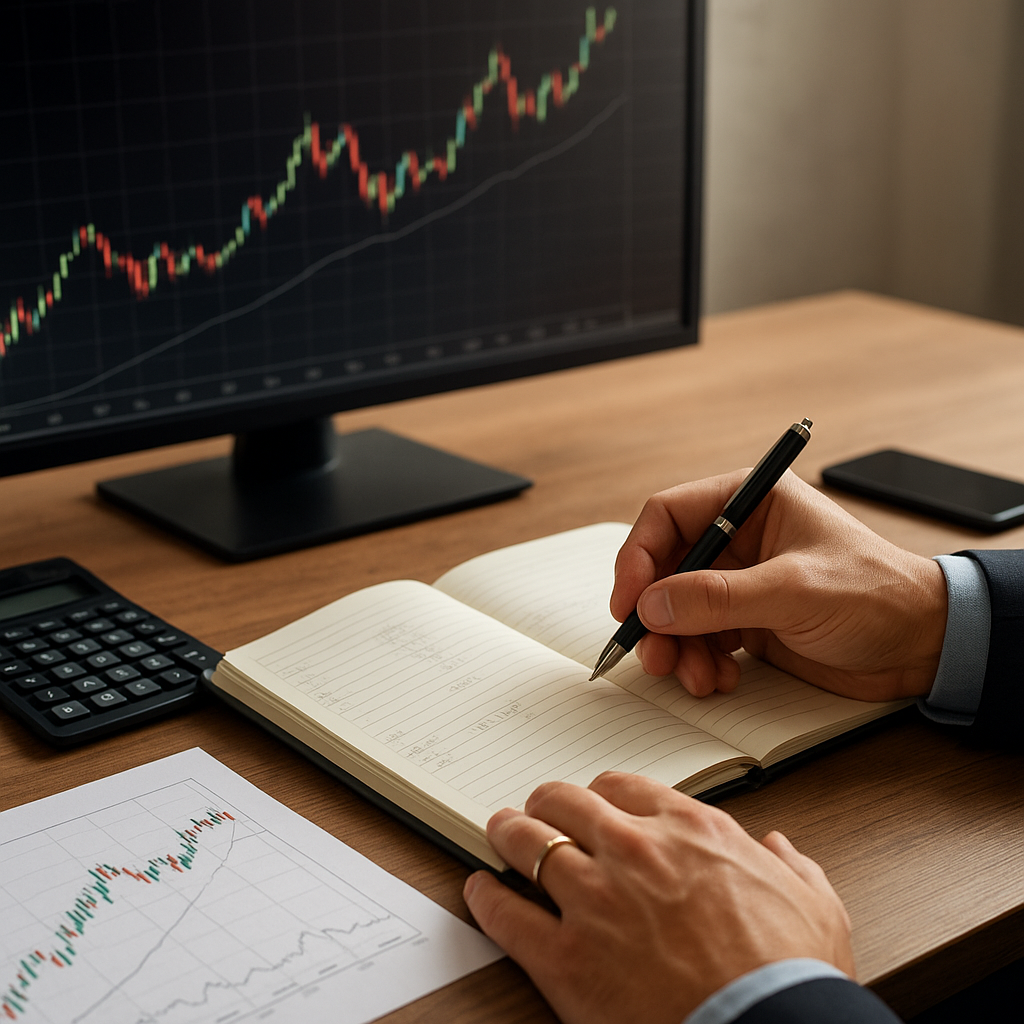
Day trading in the foreign exchange market has captured the imagination of traders seeking rapid profits and high-frequency opportunities. This style of trading involves opening and closing positions within the same business day, aiming to capitalize on short-term price fluctuations. Success demands a blend of technical analysis, stringent risk controls, and unwavering discipline. For those willing to master the art of quick decisions and adapt swiftly to market shifts, day trading can offer substantial rewards—but not without its share of challenges.
Understanding Day Trading in Forex
At its core, day trading in forex revolves around exploiting currency price movements that occur over minutes or hours rather than holding positions overnight. Traders rely on technical analysis tools such as moving averages, candlestick patterns, and oscillators to pinpoint entry and exit points. Unlike swing traders or position traders, day traders avoid overnight exposure to news events that may trigger unexpected gaps in currency quotes.
Leverage plays a pivotal role in this environment. With brokers offering ratios up to 1:500 in certain jurisdictions, a small account balance can secure a disproportionately large market position. While high leverage can amplify profits, it also magnifies losses, increasing the importance of risk management protocols such as stop-loss orders and position size limits. Mastery of these elements is essential before engaging in live trading.
Key Advantages
- Liquidity: The forex market is the largest financial market globally, with daily turnover exceeding $6 trillion. Major currency pairs like EUR/USD and USD/JPY offer deep liquidity, enabling traders to enter and exit positions without significant slippage.
- Volatility: Intraday price swings present multiple profit opportunities. Economic data releases, central bank announcements, and geopolitical events can produce rapid fluctuations, which day traders can exploit for gains.
- Execution Speed: Modern trading platforms provide near-instant order execution, ensuring traders can capture fleeting price differentials. High-frequency data feeds and direct market access reduce latency to milliseconds or less.
- Flexibility: With 24-hour market access from Sunday evening to Friday evening (UTC), day traders can choose optimal trading sessions—be it the London open, New York overlap, or Asian markets—tailoring their strategies to periods of heightened activity.
- Profit Potential: By avoiding overnight risk and leveraging short-term price momentum, traders can realize consistent returns when applying a disciplined approach and a well-defined trading plan.
Main Drawbacks
- High Stress: Rapid decision-making under time pressure can lead to emotional exhaustion. The constant monitoring of charts and positions may induce anxiety, impairing judgment.
- Transaction Costs: Frequent trades accumulate spreads and commissions, which can erode profitability if not carefully managed. Choosing a low-cost broker and optimizing trade frequency is crucial.
- Overtrading: The temptation to chase every market move often results in excessive trades that lack a robust strategy. Overtrading increases exposure and reduces overall win rate.
- Slippage: During volatile episodes or low-liquidity windows, execution prices may deviate from intended levels, producing unexpected losses or reduced gains.
- Psychological Pressure: Sustaining discipline amid winning streaks or drawdowns demands strong emotional control. A single error in judgment can wipe out multiple winning trades in rapid succession.
Strategies for Effective Risk Management
Successful day traders recognize that preserving capital is as important as generating returns. The following techniques help manage downside risk:
- Position Sizing: Calculate trade size based on a fixed percentage of account equity—often 1–2% per trade—to avoid catastrophic losses. This method ensures no single trade can decimate the account.
- Stop-Loss Implementation: Set stop-loss orders beyond key support or resistance levels to automatically exit unprofitable trades. Trailing stops can lock in profits as price moves favorably.
- Risk-Reward Ratio: Aim for setups offering at least a 1:2 or 1:3 risk-reward ratio. For example, risking 20 pips to potentially gain 60 pips aligns with a sustainable trading edge over time.
- Diversification: While many day traders focus on a handful of high-liquidity pairs, spreading exposure across several correlated or uncorrelated pairs can mitigate the impact of unexpected market moves.
- Journaling and Review: Maintain a detailed trade journal that records entry criteria, exit logic, emotional state, and market context. Regular review of journal entries illuminates strengths, weaknesses, and areas for improvement.
Essential Tools and Platforms
Arming oneself with reliable tools is fundamental for efficient day trading:
- Trading Terminal: Popular platforms like MetaTrader 4/5, cTrader, and TradingView offer advanced charting, custom indicators, and automated trading scripts.
- Economic Calendar: Track key events such as central bank meetings, GDP releases, and employment reports. Missing a major announcement can result in adverse price gaps or whipsaw movements.
- Real-Time Data Feeds: Subscribe to premium feeds that minimize latency and provide tick-by-tick data. In a game where seconds matter, every millisecond counts.
- Algorithmic Tools: For those with programming skills, developing automated strategies reduces emotional bias and ensures consistent adherence to rules. Backtesting on historical data validates the strategy before live deployment.
- Risk Calculators: Position size calculators and pip value tools simplify on-the-fly risk assessments, ensuring optimal allocation of capital to each trade.