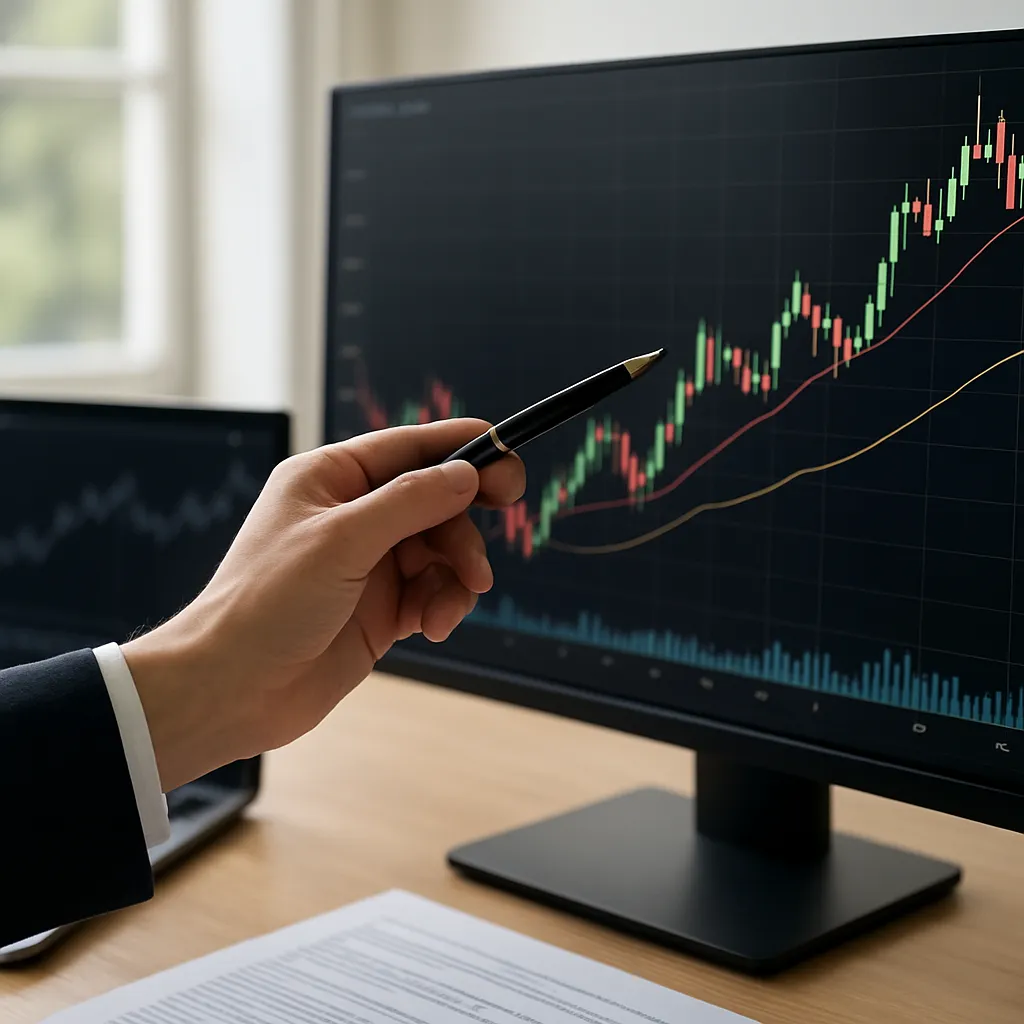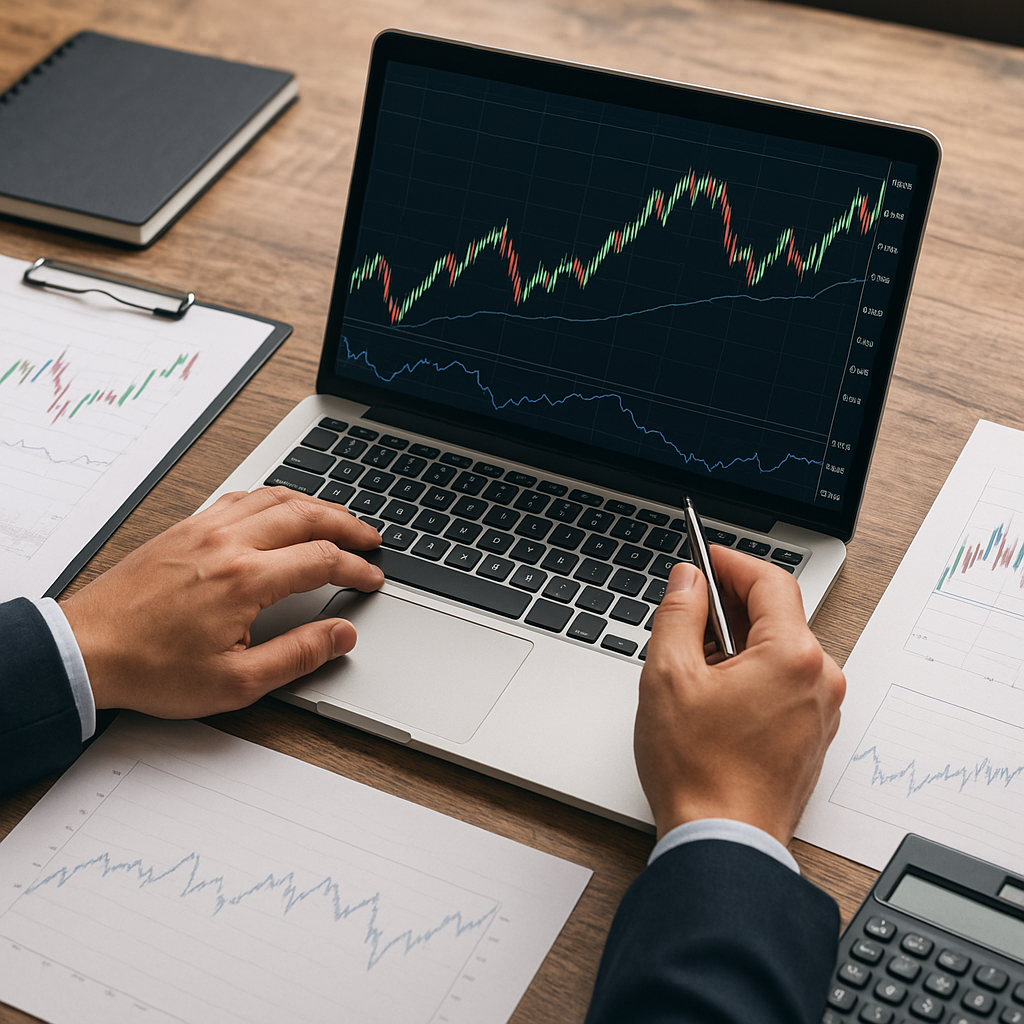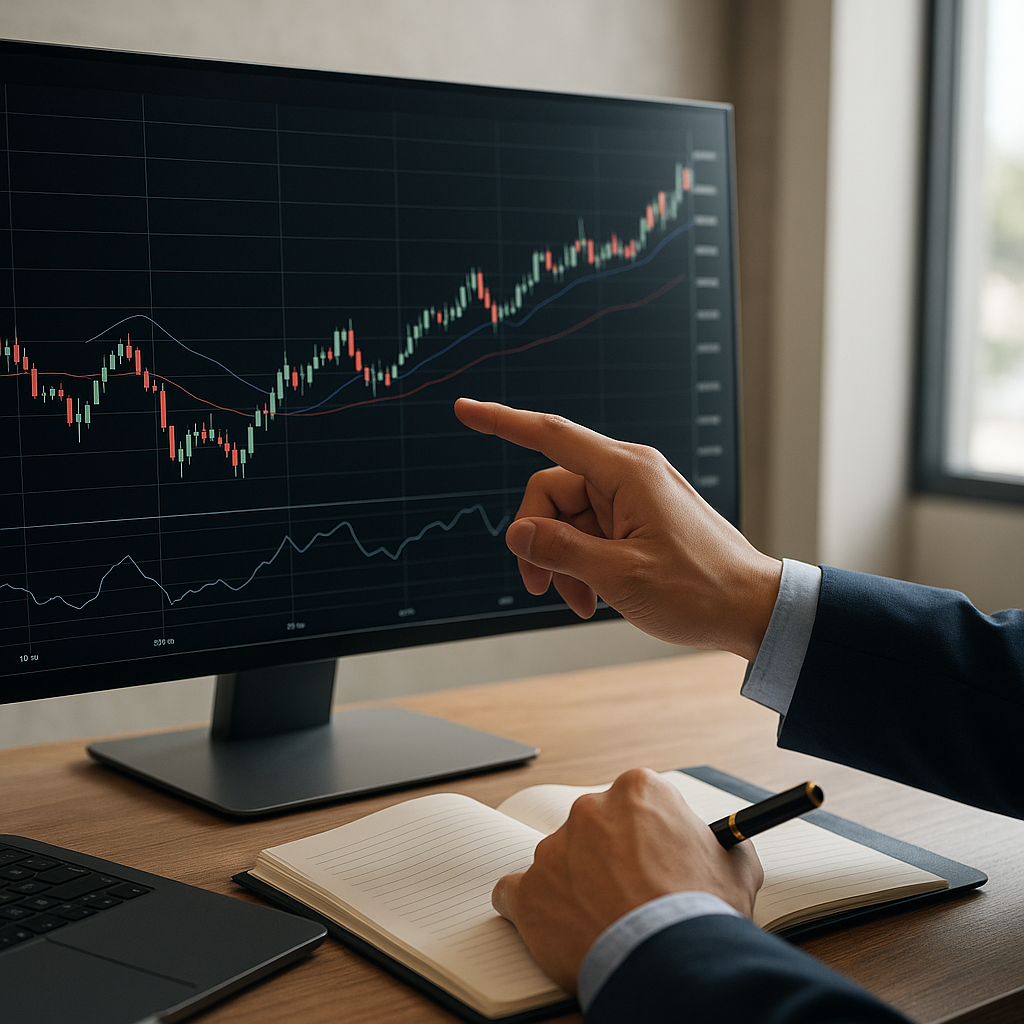
Technical analysis remains a cornerstone for many Forex traders seeking to interpret market behavior and forecast future price movements. By examining historical price data, traders can identify patterns, gauge market sentiment, and formulate informed decisions. This article explores essential concepts, tools, and best practices for integrating technical analysis into a comprehensive trading approach.
The Fundamentals of Technical Analysis in Forex Trading
Technical analysis focuses on price action rather than intrinsic value, allowing traders to recognize repeating patterns and statistical trends. Central to this approach is the notion that all relevant information is already reflected in price charts. Traders rely on tools that analyze past performance to forecast potential entry and exit points.
- trend: The general direction in which a currency pair is moving, either upward, downward, or sideways.
- support and resistance: Horizontal price levels where buying or selling pressure has historically emerged.
- Chart patterns: Structures like head and shoulders, double tops, or flags that signal potential reversals or continuations.
- Price action: Observing candlestick formations and their implications for next moves.
By understanding these pillars, traders can establish a framework for recognizing high-probability setups and reducing exposure to unpredictable market swings.
Key Tools and Indicators
Moving Averages and Trendlines
Moving averages smooth out price fluctuations by averaging closing prices over a selected period. Common types include the Simple Moving Average (SMA) and the Exponential Moving Average (EMA). Trendlines connect swing highs or lows to illustrate the trajectory of a currency pair. When price interacts with these lines, traders watch for bounces or breakouts as potential trade signals.
Oscillators and Momentum Indicators
Oscillators such as the Relative Strength Index (RSI) or the Stochastic oscillator help traders assess the momentum behind price movements. When an oscillator reaches extreme levels, it may indicate overbought or oversold conditions. Divergences between price and oscillator readings can foreshadow trend reversals.
Bollinger Bands and Volatility Measures
Bollinger Bands depict price volatility by drawing bands two standard deviations away from a moving average. Contractions signal low volatility and hint at potential breakouts, while expansions reflect heightened market activity. Monitoring volatility assists traders in sizing positions and setting appropriate stop-loss levels.
Developing a Technical Trading Strategy
Creating a robust strategy involves combining multiple analytical elements to confirm trade signals. Relying on a single indicator can increase the risk of false signals. Instead, traders often align trend-based tools with momentum indicators and key price levels to validate entries and exits.
- Define a clear objective: Establish the time horizon (scalping, day trading, swing trading) and risk-reward ratio.
- Identify confluences: Look for situations where indicator signals, chart patterns, and support or resistance converge.
- Implement risk management: Determine maximum loss per trade and diversify position sizing.
- Perform backtesting: Test the strategy on historical data to evaluate performance and refine parameters.
- Monitor liquidity: Trade major currency pairs during overlapping market sessions to ensure tight spreads and reliable execution.
By following these steps, traders can systematically approach the market and reduce emotional decision-making.
Practical Considerations and Best Practices
Successful Forex trading extends beyond chart analysis. Emotional discipline, continuous learning, and technological infrastructure play significant roles in achieving consistency.
- Keep a trading journal: Document entry and exit points, rationale for trades, and lessons learned.
- Test on a demo account: Familiarize yourself with platform features and order types before risking real capital.
- Adapt to evolving market conditions: Regularly review performance metrics and adjust strategy parameters when necessary.
- Stay informed on economic events: Fundamental announcements can trigger sudden moves, even when technical patterns appear intact.
- Utilize technology: Automated alerts and algorithmic scripts can help track setups across multiple currency pairs around the clock.
Maintaining a disciplined approach and integrating both analytical insights and sound trade management will enable traders to navigate the dynamic Forex environment with greater confidence.