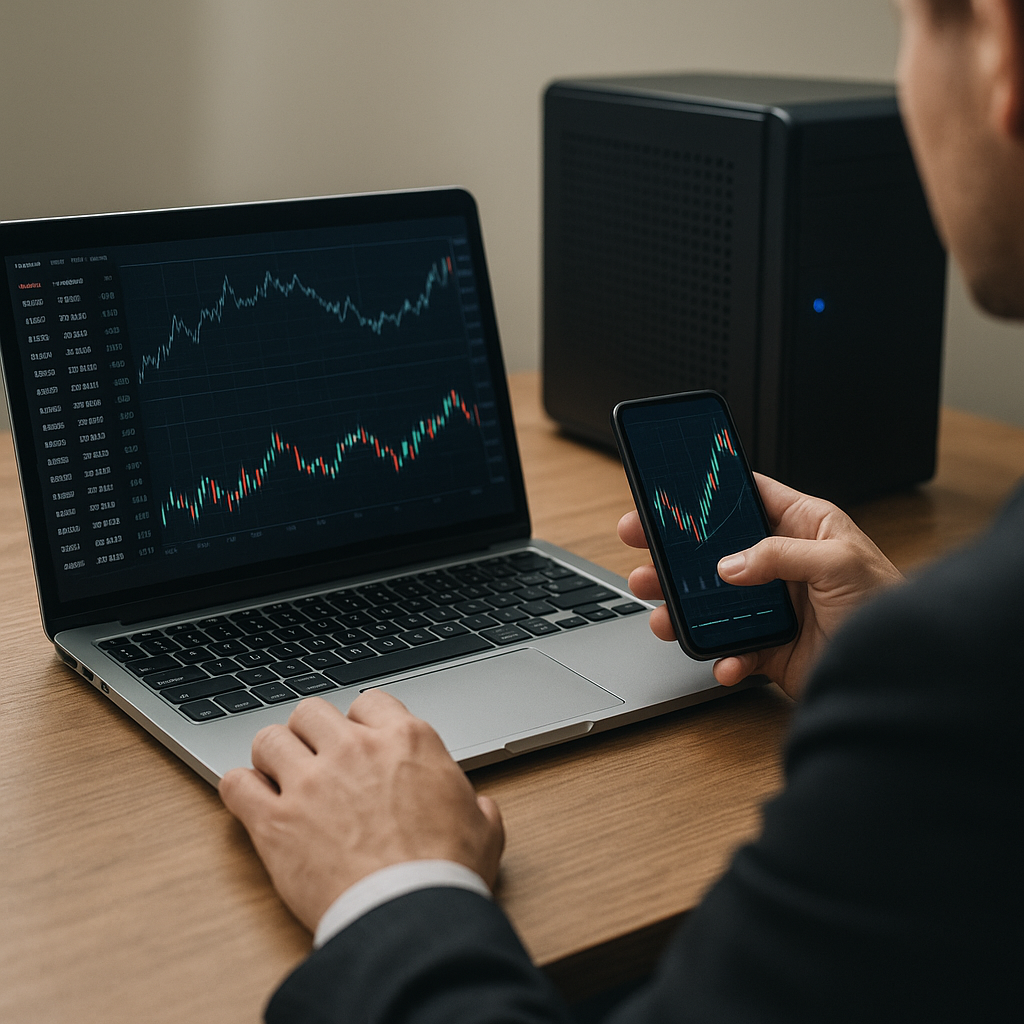
In the fast-paced world of currency trading, maintaining a stable and efficient connection to your broker’s server can make the difference between profit and loss. Many traders are turning to a Forex VPS to minimize downtime and optimize their strategies. This article breaks down the concept of a Forex Virtual Private Server, explores its key advantages, and helps you decide if investing in one is the right move for your trading setup.
Understanding a Forex VPS
A Forex VPS is a specialized hosting environment designed to run trading platforms 24/7. Unlike a personal computer at home, a VPS operates in a professional data center with robust infrastructure. Here are the core characteristics:
- Forex-optimized hardware ensures your trading software runs uninterrupted.
- High-speed network connections reduce latency between your platform and broker.
- Uptime guarantees often exceed 99.9%, preventing missed opportunities.
- Remote access allows you to monitor positions from anywhere in the world.
At its essence, a Forex VPS virtualizes a computer’s resources—CPU, memory, and disk space—providing you a dedicated slice of a powerful server. You install your MetaTrader 4 or MetaTrader 5, configure your Expert Advisors (EAs), and let the system run unattended, even when your local machine is turned off.
Key Benefits of Using a Forex VPS
Traders often ask, “What makes a Forex VPS superior to a home PC?” The answer lies in several pivotal factors:
- Reliability: Data centers are equipped with backup generators and uninterruptible power supplies (UPS), so your server remains live during power outages.
- Low latency: Most VPS providers locate servers near major financial hubs. This geographic proximity translates to millisecond-level trade execution.
- Security: Professional-grade firewalls, regular updates, and strong access controls shield your trading environment from cyberthreats.
- Scalability: As your strategy grows more complex, you can upgrade CPU cores or RAM in minutes without hardware changes.
- Automation: EAs and scripts can run around the clock, ensuring you never miss a market-moving event.
Consider a scenario where your home internet experiences an outage right as a significant economic release triggers volatility. Without a VPS, all pending orders could remain unfilled, resulting in slippage or losses. With a reliable Forex VPS, your platform continues trading seamlessly, adhering to your predefined rules.
How to Choose the Right Forex VPS
Selecting a provider can be overwhelming. Focus on these critical criteria to make an informed decision:
- Location: Pick a server close to your broker’s data center to minimize ping times.
- Resource allocation: Ensure you have enough CPU cores and RAM to handle multiple charts and EAs without slowdown.
- Uptime SLA: Look for guarantees of at least 99.9%; check compensation terms for unscheduled downtime.
- Customer support: 24/7 live chat or phone support can be invaluable during technical emergencies.
- Backup policies: Daily snapshots and restore options protect you against software misconfigurations or data loss.
- Cost-effectiveness: Balance price against features—ultra-low latency in Tokyo might cost more than latency in London.
Below is an example comparison of two hypothetical plans:
- Standard Trader Plan: 2 vCPU, 2048 MB RAM, 50 GB SSD, located in London, 99.9% uptime, $25/month.
- Pro Scalper Plan: 4 vCPU, 4096 MB RAM, 100 GB SSD, located in New York, 99.99% uptime, $45/month.
Assess your trading style. A high-frequency scalper will benefit from the Pro plan’s lower latency and extra resources, while a discretionary swing trader might find the Standard plan sufficient.
Implementing a Forex VPS with Your Trading Strategy
Once you’ve selected a provider, setting up your VPS involves a few straightforward steps:
- Sign up for an account and choose your plan.
- Receive login credentials and RDP (Remote Desktop Protocol) details.
- Connect via remote desktop from your local computer, using the provided IP and password.
- Install your trading platform and import account details.
- Upload or configure your Expert Advisors and indicators.
- Test connectivity and execute a small trade to confirm everything works.
Make sure to:
- Regularly update your EAs and platform to the latest versions.
- Monitor resource usage through built-in control panels.
- Set up automated backups to an external cloud service.
By following these steps, you’ll harness the full potential of a VPS while avoiding common pitfalls such as misconfigured scripts or outdated software components.
Do You Really Need a Forex VPS?
Not every trader requires a Forex VPS. Evaluate your needs based on these questions:
- Do you run multiple EAs that demand uninterrupted uptime?
- Do you place time-sensitive trades where latency could hurt your edge?
- Has your home internet or power supply ever failed at a critical moment?
- Are you operating automated strategies while traveling or sleeping?
- Is security and data integrity a top priority for your trading capital?
If you answered “yes” to one or more of these, a Forex VPS can be a **game-changer**. It provides peace of mind, knowing that your strategy remains active and shielded from unexpected disruptions. Conversely, if you trade manually during market hours, with stable local infrastructure and minimal automation, you might not perceive immediate benefits that justify the cost.
Practical Tips to Maximize Your Forex VPS
Even with the best infrastructure, few adjustments can further enhance your setup’s efficiency:
- Disable unnecessary Windows services to free up system resources.
- Schedule routine maintenance during off-peak trading hours.
- Use reliable antivirus software optimized for server environments.
- Monitor uptime with third-party tools and set alerts for any downtime.
- Stay informed about your VPS provider’s network upgrades or scheduled maintenance.
By proactively managing your environment, you guarantee that your trading strategy remains resilient under all market conditions.
Conclusion
Deploying a Forex VPS can significantly elevate your trading performance by offering constant availability, reduced latency, and solid security. While not mandatory for every trader, it becomes indispensable when running automated systems, executing rapid trades, or safeguarding your operations from power and connectivity hiccups. Evaluate your specific needs, compare plans, and take the steps to integrate a VPS into your Forex workflow—your bottom line may depend on it.