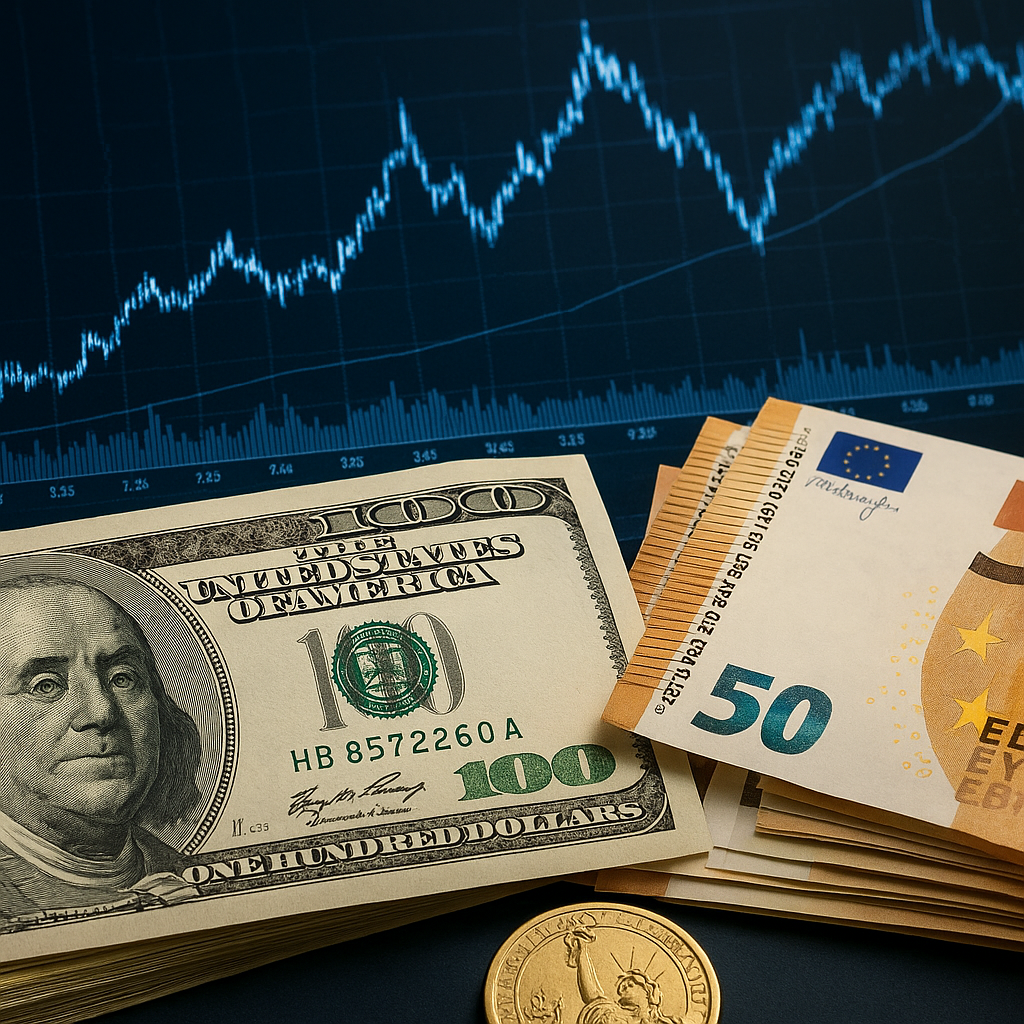
The United States dollar has cemented its position at the heart of the foreign exchange market, influencing currency values, trade dynamics, and investor behavior around the world. Its prominence extends beyond mere transactions, touching upon geopolitical influences, economic stability, and the architecture of global finance. In this article, we will explore the multifaceted role of the USD in forex, examining the reasons behind its dominance, its impacts on various currency pairs, the interplay with monetary policy, and what the future may hold for this pivotal currency.
The USD as the World’s Primary Reserve Currency
The ascendancy of the US dollar to a reserve currency status began in earnest after World War II, when the Bretton Woods system pegged currencies to the dollar, itself backed by gold. Even after the collapse of the gold standard in 1971, the USD retained its central role due to several factors:
- Deep and liquid bond markets in the United States, allowing for easy issuance and trading of Treasury securities.
- The political and economic stability of the United States, reassuring foreign governments and investors.
- Strong institutional framework and transparent financial reporting, which reduced counterparty risks.
Today, roughly 60% of global foreign exchange reserves are held in dollars. This vast demand underpins the USD’s liquidity and keeps borrowing costs for the US government relatively low. Central banks also intervene in forex markets by buying or selling dollars to manage their own currency values and maintain competitive trade positions.
Impact of USD Dominance on Major Currency Pairs
In the forex market, the USD is involved in about 88% of all trades, making it the most traded currency by far. Major pairs—such as EUR/USD, USD/JPY, GBP/USD, and USD/CHF—account for the bulk of transactions. The USD’s status affects these pairs in several ways:
- Exchange rates often move in response to shifts in US economic data, such as GDP growth, employment figures, and retail sales.
- Global events that trigger a “flight to safety” typically strengthen the dollar, as investors seek refuge in US Treasuries.
- Cross-currency trades frequently use the USD as an intermediate; for instance, EUR/JPY trades are often executed by converting EUR to USD, then USD to JPY.
Volatility and Risk Management
Because of the USD’s centrality, its value can display significant volatility during periods of market stress or major policy announcements. Traders and institutions employ a variety of hedging strategies—options, futures, and forward contracts—to mitigate exposure. Corporate treasuries, in particular, must manage currency risk when conducting global trade, ensuring that fluctuating rates do not erode profit margins.
Monetary Policy, Inflation, and the Dollar
The Federal Reserve’s decisions on interest rates and asset purchases reverberate through the forex market. When the Fed tightens monetary policy by raising rates, yields on dollar-denominated assets rise, attracting foreign capital and strengthening the USD. Conversely, an easing cycle tends to weaken the currency as investors seek higher returns elsewhere.
- Higher rates serve to combat inflation but risk slowing economic growth.
- Lower rates stimulate borrowing and investment, potentially fueling asset bubbles if kept too low for too long.
- Quantitative easing expands the Fed’s balance sheet, increasing dollar supply and often leading to depreciation.
Transmission to Emerging Markets
Many emerging economies carry debt denominated in dollars. A stronger USD raises their debt servicing costs, leading to capital outflows and currency crises. As a result, these countries closely monitor US monetary policy and often coordinate interventions, both domestically and through multilateral channels, to stabilize their own currencies.
Capital Flows and Market Sentiment
The USD’s role extends to shaping capital flows across regions. When investors anticipate higher returns in US markets—driven by corporate earnings, technological innovation, or fiscal stimulus—they funnel funds into equities and bonds, reinforcing dollar strength. Conversely, negative sentiment around US politics or economic slowdowns can trigger outflows.
- Safe-haven status during geopolitical tensions boosts demand for dollar assets.
- Risk-on environments may see capital shifting to higher-yielding currencies like the Australian or New Zealand dollar.
- Macroprudential regulations in various jurisdictions influence cross-border lending and investment.
Traders gauge market sentiment through indicators like the US Dollar Index (DXY), which measures the currency’s value against a basket of peers. Sudden spikes in the index highlight shifts in global risk appetite or reactions to major news events.
The Future of the USD in Forex Markets
Several trends could reshape the dollar’s role over the coming decades:
- Digital currencies and central bank digital currency (CBDC) projects may offer alternatives to traditional dollar-based transactions.
- Geopolitical fragmentation, such as regional trade blocs or currency unions, could challenge universal reliance on the USD.
- Shifts in energy markets—particularly the rise of renewable sources—might reduce the US’s strategic influence tied to oil-priced commerce.
Nevertheless, the depth of US financial markets, the entrenched use of the dollar in trade invoicing, and the network effects of existing forex infrastructure suggest that the USD will remain a formidable force. For traders, investors, and policymakers alike, understanding the mechanisms underpinning its dominance is essential for navigating the complexities of the global currency ecosystem.