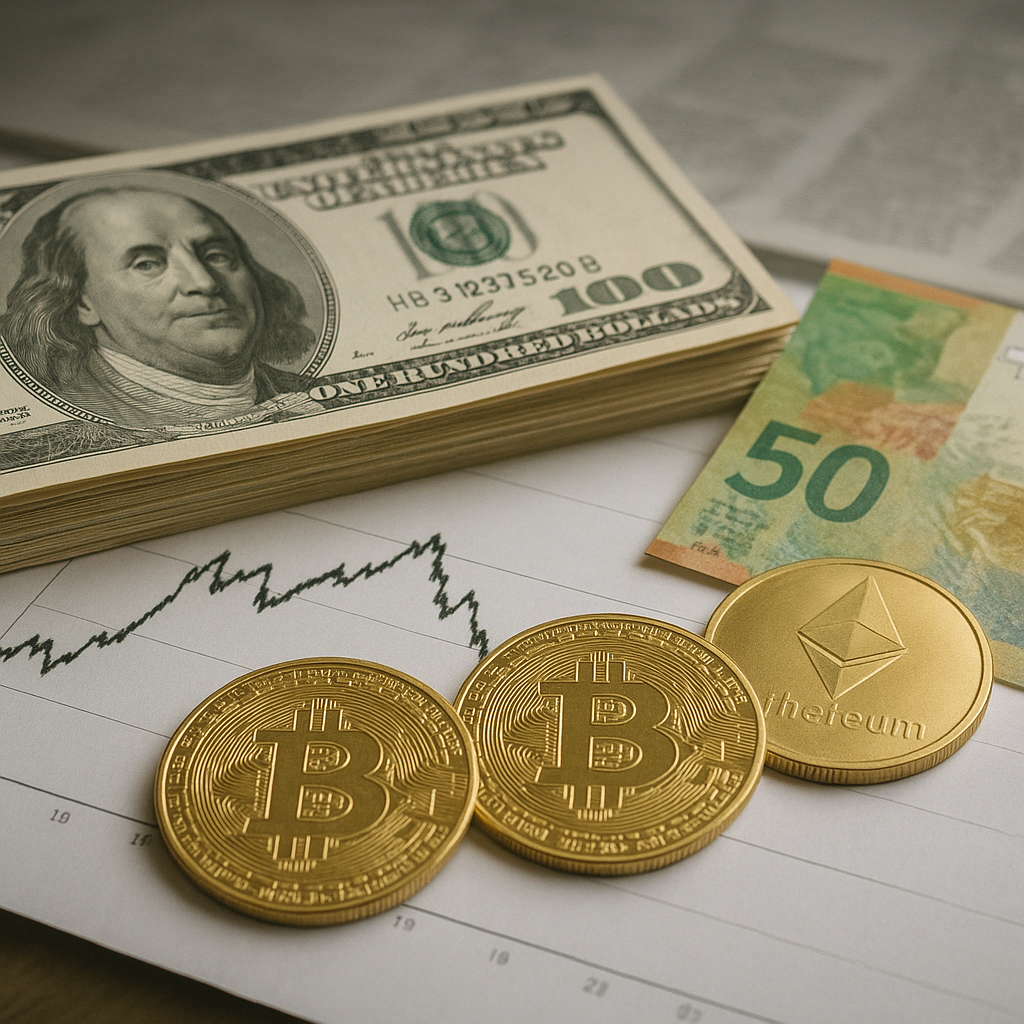
Global financial turbulence often leads market participants to flock toward stable assets, seeking refuge from unpredictable swings and preserving capital in the face of uncertainty. In the foreign exchange sphere, safe-haven currencies assume a pivotal role, acting as magnets for investors during episodes of acute stress. Their appeal rests on attributes such as minimal volatility, ample liquidity, and the implicit pledge of unwavering value, even when broader markets enter a risk-off stance. Understanding the anatomy of these currencies, the forces that drive their demand in crises, and the policy maneuvers that underpin them can empower both institutional and retail players to craft effective hedge strategies and reinforce diversification across portfolios.
Understanding Safe-Haven Currencies
Intrinsic Characteristics
Not all currencies are created equal when it comes to crisis resilience. A true safe-haven currency boasts several defining traits:
- Abundant liquidity in global markets, ensuring swift and cost-effective transactions.
- Historically low volatility, meaning its value rarely suffers dramatic, unpredictable swings.
- Large-scale reserve holdings by central banks, reinforcing trust and confidence in its stability.
- Perception as a reliable store of value, backed by robust economic fundamentals and sound fiscal policy.
Among the most renowned examples are the US dollar and the Swiss franc, both of which have repeatedly demonstrated their capacity to absorb capital inflows when equities, commodities, or riskier currencies tumble. Their central banks’ transparent frameworks and credible monetary policy instruments amplify their safe-haven allure, further differentiating them from smaller or less liquid peers.
Drivers of Demand During Crises
Flight-to-Quality Dynamics
When global events trigger panic—be it geopolitical tensions, sudden equity market crashes, or systemic banking woes—investors swiftly reallocate positions toward assets perceived as “less risky.” This phenomenon, often termed a flight-to-quality, catalyzes a surge in purchases of safe-haven currencies. The following mechanics typically unfold:
- Heightened risk aversion fosters selling pressure on high-beta assets, freeing up capital to be redeployed into stable currencies.
- Carry trades unwind: positions borrowed in low-yielding, safe-haven currencies and lent in higher-yielding ones materially shift, boosting demand for the lower-yielding pair.
- Institutional mandates that impose stricter risk-off constraints trigger automated flows, magnifying the rush toward perceived safety.
Beyond mechanical drivers, investor psychology and market sentiment exert a profound influence. Anecdotal narratives and headline risks can amplify herd behaviors, prompting outsized currency moves that may overshoot fundamental valuations. The sheer momentum of these inflows often sustains currency strength well after the initial shock subsides.
The Impact of Central Bank Policies
Role of Official Reserves and Intervention
Central banks stand at the nexus of policy and market stability. Their management of foreign exchange reserves, intervention tactics, and interest rate decisions directly shape the safe-haven credentials of their currencies. Key policy instruments include:
- Reserve accumulation: Sustained purchases of domestic currency build buffers that support exchange rate stability during tumultuous periods.
- Direct market intervention: Occasional buying or selling operations aimed at capping excessive moves, signaling commitment to orderly markets.
- Monetary policy clarity: Transparent forward guidance curbs speculation and tempers volatility, bolstering trust among global investors.
For instance, the Swiss National Bank’s historic currency cap in the early 2010s underscored its determination to prevent runaway franc appreciation, even as it jeopardized existing monetary policy orthodoxy. Similarly, the US Federal Reserve’s dual mandate—promoting maximum employment alongside price stability—provides implicit assurance that the dollar will remain accessible and predictable, reinforcing its status as the ultimate reserve currency.
Strategies for Forex Traders and Investors
Constructing Resilient Portfolios
Integrating safe-haven currencies into an investment or trading plan demands a nuanced approach. Merely buying these currencies at the first sign of distress may yield gains, but timing, exposure, and exit tactics prove critical. Consider the following guidelines:
- Use tranche-based entries to mitigate the risk of purchasing at a local peak during the initial surge of inflows.
- Pair safe-haven allocations with complementary diversification tools—such as government bonds or gold—to spread risk across uncorrelated assets.
- Monitor central bank communications for early cues that a risk-off environment may fade, helping to identify optimal exit windows.
- Implement protective options structures, like currency puts, to establish a defined-cost hedge against severe drawdowns.
By anchoring portfolio allocations around a core of reliable, liquid currencies, market participants can navigate downturns with enhanced agility. Moreover, maintaining an objective framework—grounded in data signals rather than emotional reactions—keeps investors aligned with longer-term objectives, ensuring they do not become victims of whipsaw price action.
Implications for Emerging Markets and Global Stability
Transmission Effects and Contagion Risks
While safe-haven currencies provide sanctuary for global capital, their appreciation can exert pressure on emerging market economies reliant on export competitiveness or foreign-denominated debt service. A stronger dollar or yen raises the local-currency value of repayments and can stifle growth prospects in vulnerable regions. Policymakers in those economies must then balance exchange rate defense with domestic inflationary pressures, often confronting difficult trade-offs.
On a broader scale, the interplay between safe-haven demand and global financial stability underscores the interconnectedness of forex markets. Episodes of acute stress highlight potential contagion channels, while the resolution phase often involves coordinated interventions or liquidity provisions by major central banks. These collaborative efforts serve to temper excessive swings and restore confidence in the system as a whole.
Conclusion
Safe-haven currencies remain a cornerstone of prudent risk management, offering a reliable bulwark against severe market dislocations. Their time-tested properties of low volatility, deep liquidity, and robust policy frameworks continue to attract capital precisely when it is needed most. For traders and investors alike, mastering the dynamics of these currencies—and the forces that drive their demand—provides a vital edge in navigating the ever-evolving landscape of global foreign exchange.