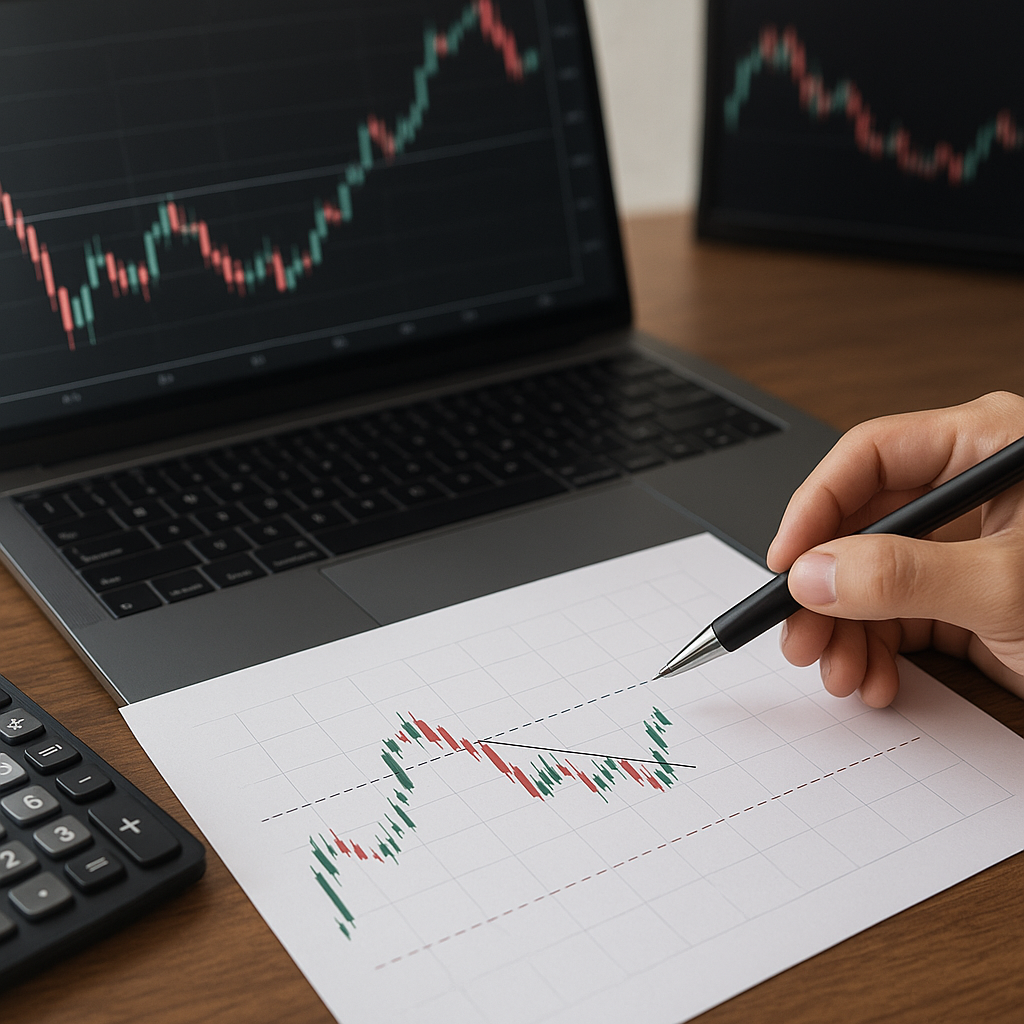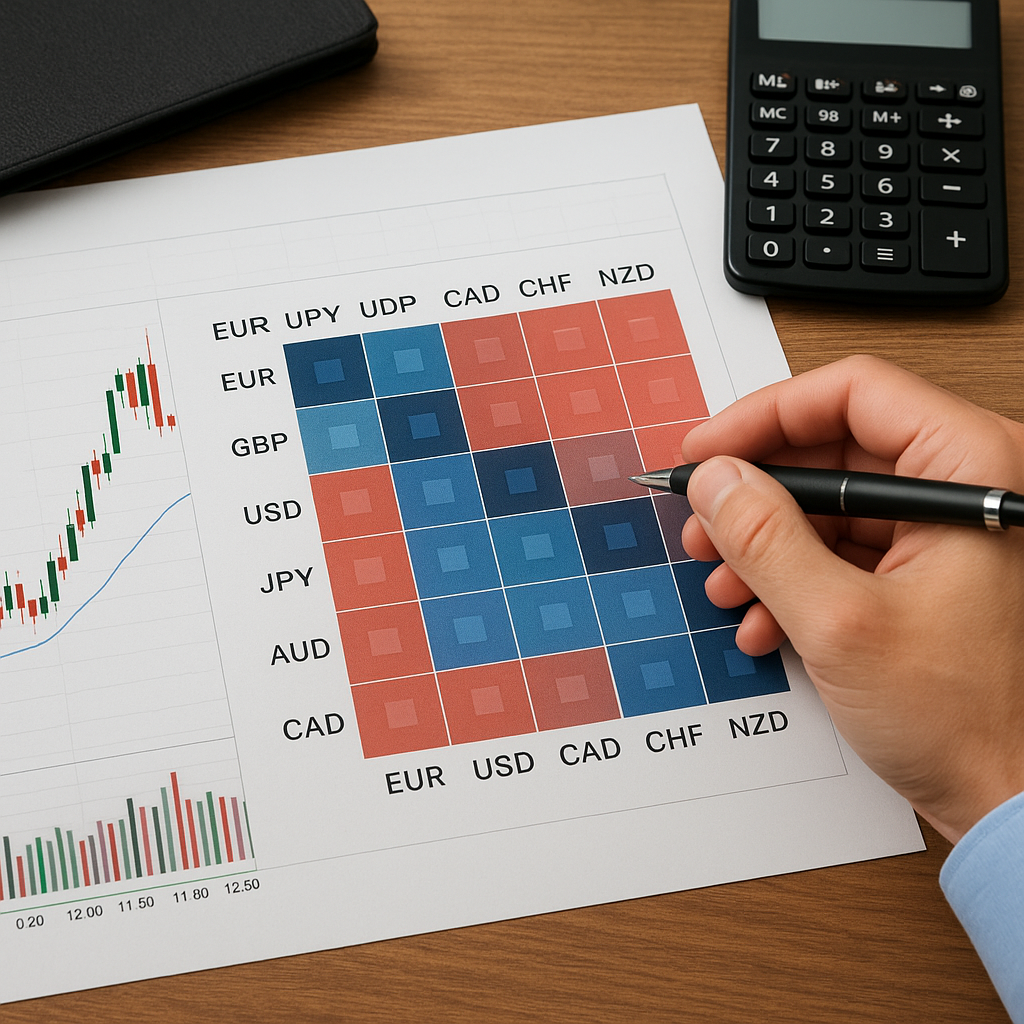
Patience serves as a cornerstone for success in the fast-paced world of foreign exchange trading. Without it, even the most sophisticated systems and in-depth market analyses can crumble under the pressure of impulsive decision-making. By fostering a calm and disciplined mindset, traders can navigate the currency markets with greater clarity and precision.
Understanding the Forex Market
The foreign exchange market is renowned for its high liquidity and around-the-clock operations. Daily trading volumes exceed several trillion dollars, attracting participants from central banks, hedge funds, retail investors and corporate treasuries. This sheer scale creates abundant opportunities, but also amplifies the potential for rapid price swings.
Liquidity and Volatility
High liquidity allows traders to enter and exit positions with ease, but it also contributes to frequent fluctuations in exchange rates. Volatility can be a double-edged sword: it offers the potential for significant gains, yet it also heightens the risk of sudden losses. Cultivating patience helps traders withstand these short-term swings while waiting for high-probability setups.
Major and Minor Currency Pairs
The most traded pairs, such as EUR/USD and USD/JPY, dominate market volume. However, minor and exotic pairs can exhibit even greater price movements due to lower liquidity. Regardless of the chosen instruments, a patient approach enables traders to avoid chasing erratic market noise and focus instead on predictable trends supported by fundamental and technical factors.
The Psychological Aspect of Trading
Trading psychology often determines long-term profitability more than any specific system. Emotions like fear and greed can derail even the most well-crafted plan. Developing mental resilience is essential to maintain consistency and avoid premature position adjustments.
Emotions and Decision-making
Stressful market conditions trigger the “fight or flight” response in many traders, leading to hasty entries or exits. Recognizing these emotional impulses is the first step toward controlling them. With experience, a trader can learn to pause, take a deep breath, and evaluate whether a move aligns with their trading plan.
Fear, Greed, and Patience
Fear often causes traders to close positions too early, sacrificing potential gains. Conversely, greed can prompt them to over-leverage and hold losing trades for too long. By emphasizing patience over impulsiveness, traders develop the capacity to wait for optimal entry points and trust their predefined risk parameters.
Strategies to Cultivate Patience
Integrating patience into a trading routine requires both mental discipline and practical measures. Below are key strategies that reinforce a patient mindset.
Setting Realistic Goals
Establish achievable performance metrics based on historical data and personal experience. Unrealistic expectations foster frustration, driving emotional trades. Instead, define targets for monthly returns, drawdowns and win rates that reflect market realities.
Time Frame Selection
Choosing the appropriate chart time frame can reduce stress and filter out minor price oscillations. Swing traders may work with four-hour or daily charts, while scalpers might focus on one-minute or tick charts. Aligning your style with a time frame that suits your personality supports patience and long-term adherence to your plan.
Risk Management
- Use stop-loss orders to limit potential losses.
- Risk only a fixed percentage of capital per trade, often 1–2%.
- Adjust position size to match market volatility.
Consistent risk management prevents emotional blow-ups and encourages a cool-headed approach. By capping downside exposure, traders can patiently wait for their strategies to bear fruit without fear of catastrophic loss.
Tools and Techniques for Patient Trading
Modern trading platforms provide numerous tools to support disciplined decision-making. Leveraging these resources enhances consistency and reduces emotional interference.
Trading Journals
Maintaining a detailed log of trades—including entry and exit points, rationale and emotional state—helps identify behavioral patterns. Reviewing these records fosters self-awareness and highlights instances of impatience, paving the way for improvement.
Automated Alerts
Setting price alerts for specific levels allows traders to step away from screens. When the market reaches predetermined thresholds, notifications prompt action, preventing the compulsion to watch every tick. This method also curtails overtrading and impulsive clicks.
Technical Indicators
Indicators such as moving averages, Bollinger Bands and the Relative Strength Index (RSI) offer objective signals. Instead of reacting to every price fluctuation, traders can wait for indicator confirmations, embodying discipline and reducing emotional bias.
Case Studies and Real-world Examples
Example 1: Holding Through Market Noise
A currency pair once experienced a sudden 200-pip drop during a major economic announcement. Impatient traders closed their positions in panic, but those who remained patient held until a fundamental reversal emerged. Within three days, the pair recovered and surpassed previous highs, yielding substantial profits for the steadfast participants.
Example 2: Waiting for Confluence
A trader identified a key support zone aligned with the 50-day moving average and a Fibonacci retracement level. Instead of jumping in at the first sign of a pullback, they waited for a bullish candlestick pattern and RSI divergence. The cautious approach resulted in a far better risk-to-reward ratio when the market resumed its uptrend.
Example 3: Overcoming Losing Streaks
A series of small losses can tempt a trader to abandon their plan and take risky bets to break even. One disciplined investor chose to step back, review their strategy, and refine entry criteria. After a week-long break, they returned with renewed focus, steadily recouping losses and sustaining consistency over subsequent weeks.
Ultimately, mastering patience in forex trading demands a combination of mental fortitude, structured planning and the utilization of supportive tools. By embracing a patient approach, traders position themselves to capitalize on the market’s inherent rhythms rather than fighting against them.