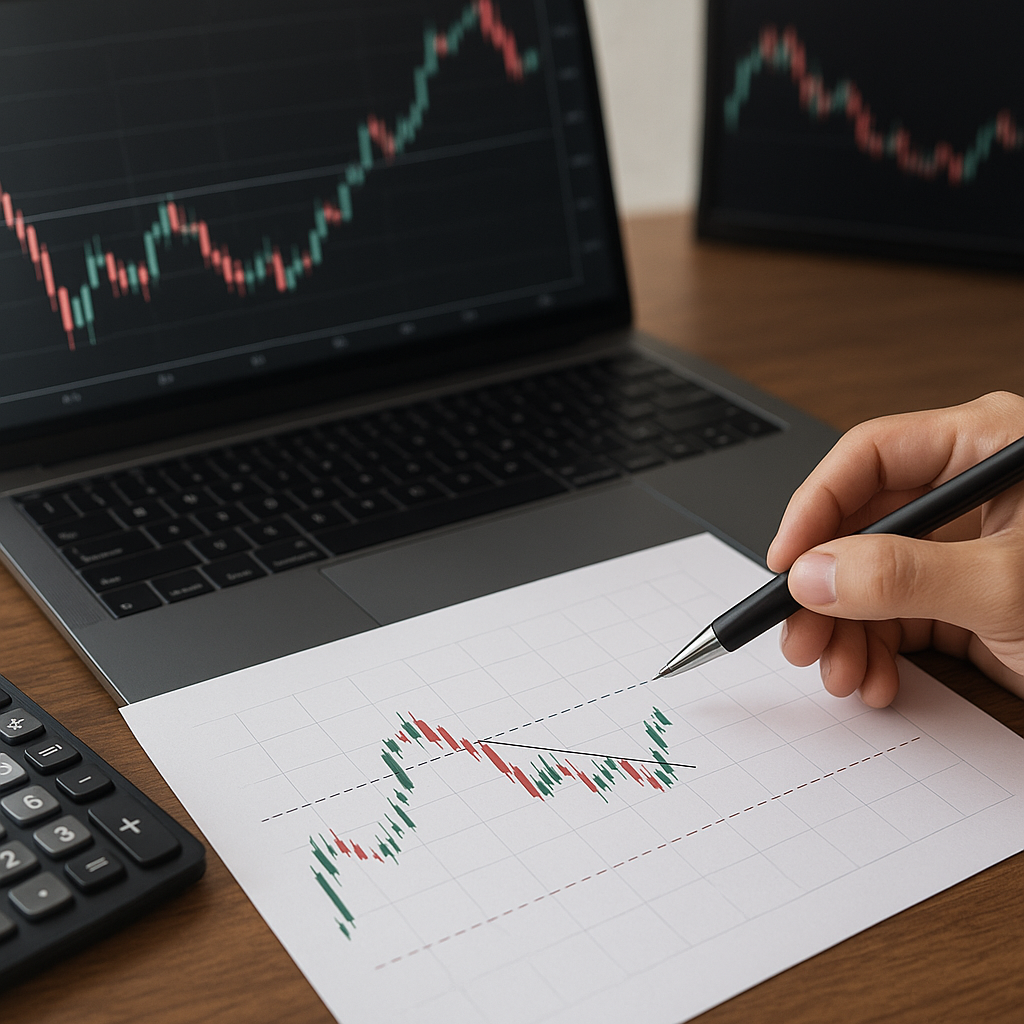
Volume is often overlooked in the forex market, yet it plays a crucial role in gauging the strength and sustainability of price movements. By integrating volume analysis into your trading strategy, you can gain deeper insights into market dynamics and make more informed decisions. This article delves into techniques, indicators, and real-world applications to help you harness the power of volume in currency trading.
Understanding Volume in Forex Markets
Unlike equities, the forex market is decentralized, making absolute volume data less transparent. However, tick volume provided by many platforms serves as a reliable proxy for actual traded volume. Tick volume measures the number of price changes within a given period, allowing traders to assess shifts in liquidity and activity across major currency pairs.
Monitoring volume helps identify whether a price move is backed by genuine participation. High tick counts during a rally, for instance, suggest strong buying interest, while low volume during a decline may signal a lack of convincing selling pressure. This context enables traders to distinguish between fleeting spikes and moves with real conviction.
Key Volume Indicators and Tools
Volume Profile
The volume profile maps volume distribution across price levels, highlighting areas where significant trading occurred. By spotting high-volume nodes, traders can identify zones of accumulation and distribution, which often act as support or resistance. Integrating a volume profile into your charts can reveal hidden supply and demand imbalances that price action alone may miss.
On-Balance Volume (OBV)
Developed by Joe Granville, OBV accumulates volume on up days and subtracts it on down days. When prices rise on increasing OBV, it confirms that volume supports the uptrend. Conversely, a falling OBV alongside rising prices indicates bearish divergence, warning of a potential reversal. OBV is simple yet powerful for tracking the underlying health of a trend.
Volume Weighted Average Price (VWAP)
VWAP calculates the average price weighted by volume over a specified period, providing a benchmark for institutional trading. When price trades above VWAP, it suggests net buying pressure; below VWAP indicates net selling. Day traders often use VWAP to gauge intraday bias and identify potential entry or exit points aligned with broader market participants.
Practical Applications of Volume Analysis
Integrating volume into your forex analysis enhances risk management and timing. Below are key applications:
- Breakout Confirmation: A price breakout above a consolidation zone gains credibility when accompanied by a surge in tick volume. Without volume support, breakouts are prone to false signals and quick reversals.
- Trend Strength Assessment: Rising volume in the direction of the trend signals healthy momentum, while declining volume may precede a slowdown or reversal.
- Divergence Detection: Comparing volume indicators like OBV with price can uncover hidden divergence. Bullish divergence (price makes lower lows, OBV makes higher lows) hints at exhaustion in selling pressure.
- Liquidity Zone Identification: Volume clusters, displayed via the volume profile, mark areas where large orders were executed. These zones often trigger significant reactions when revisited.
Example: Confirming a Bullish Breakout
Imagine EUR/USD trading in a tight range between 1.1000 and 1.1050. A breakout above 1.1050 on low volume may lack conviction, leading to a swift retracement. However, a breakout with a notable tick volume spike signals that institutional players are stepping in, increasing the odds of a sustainable move.
Advanced Techniques and Integrations
Volume analysis becomes even more potent when combined with other methodologies and data sources:
Order Flow Analysis
By studying the real-time order book and tick sequences, traders gain granular insight into market participant behavior. Underlining changes in buy and sell orders reveals shifting supply and demand dynamics before they reflect in price. Order flow complements volume indicators by clarifying whether heavy volume is aggressive buying or passive liquidity absorption.
Combining Price Action and Volume
Price patterns—such as flags, pennants, and wedges—take on new significance when volume is considered. A flag breakout with rising volume confirms continuation, whereas a breakout with declining volume suggests a quick retest of the pattern’s boundary. This interplay refines entry timing and stop-loss placement.
Algorithmic and Automated Strategies
Quantitative models often incorporate volume filters to optimize trade selection. For instance, a strategy may only enter long positions when price breaks above a moving average on above-average tick volume. Automated systems can also adjust position sizing based on real-time volume volatility, enhancing risk-reward ratios.
Sentiment and News Correlation
Major economic releases frequently trigger spikes in volume and volatility. By monitoring expected and unexpected data alongside volume surges, traders discern whether reactions stem from genuine sentiment shifts or algorithmic whipsaws. This approach helps filter out noise and focus on opportunities with strong backing.
Integrating Volume into Your Workflow
To maximize the benefits of volume analysis:
- Calibrate your platform’s tick volume settings to match your chosen timeframe.
- Overlay multiple volume indicators for cross-validation, such as OBV and VWAP.
- Highlight key price levels from the volume profile and track tests of these zones.
- Practice on a demo account to refine your interpretation of volume signals under different market conditions.
- Continuously review past trades to identify how volume influenced outcomes and adapt your strategy accordingly.
By systematically incorporating volume into your forex trading routine, you’ll gain a competitive edge. Whether confirming a breakout, spotting hidden divergences, or aligning with institutional flows, volume analysis enhances your ability to navigate complex market movements with confidence.