The foreign exchange market is a dynamic arena where traders seek to capitalize on currency fluctuations. Mastering candlestick analysis can provide a significant edge in identifying potential entry and exit points. This article offers a comprehensive exploration of how to read, interpret, and apply candlestick patterns within a robust trading framework.
Understanding the Anatomy of a Candlestick
Candlestick charts are a popular alternative to standard line charts because they display more information about price action in a single bar. Each candle consists of a body, which represents the difference between open and close, and wicks (or shadows), which indicate the extremes of price movement during the time period. A filled or colored candle typically signals a bearish session, while a hollow or lighter candle indicates a bullish session.
- Body: Distance between open and close prices.
- Upper wick: Highest price achieved.
- Lower wick: Lowest price achieved.
Understanding the proportions and positions of these components can shed light on market momentum and trader sentiment. For instance, long wicks paired with small bodies often suggest rejection of price levels and potential upcoming reversals.
Identifying Key Forex Candlestick Patterns
Recognizing high-probability patterns is critical. Here are a few of the most widely used formations:
Bullish Engulfing Pattern
This pattern appears when a small bearish candlestick is followed by a larger bullish candlestick that entirely engulfs the previous body. It often signals a shift from downtrend to uptrend. To confirm a valid signal:
- Look for formation near a significant support level.
- Wait for a higher close on the next candle for confirmation.
- Consider volume spikes for added conviction.
Bearish Engulfing Pattern
The bearish counterpart of the bullish engulfing pattern appears when a large bearish candlestick engulfs the prior bullish candle. It indicates potential exhaustion of buyers and signals a possible downward move. Ideal placement:
- Forming close to a resistance zone.
- Accompanied by a lack of buying volume.
- Followed by a lower low on the subsequent candle.
Hammer and Shooting Star
The hammer pattern, recognizable by its long lower wick and small upper body, typically surfaces at the end of downtrends, hinting at bullish reversal opportunities. Conversely, the shooting star features a long upper wick with a small body at the bottom, emerging after uptrends to warn of potential bearish pressure.
Incorporating Trends, Support, and Resistance
While standalone candlestick patterns can be compelling, combining them with broader market context often yields more reliable signals. Here’s how to integrate additional technical factors:
- Trend analysis: Ensure patterns align with the dominant trend. Counter-trend setups require extra scrutiny and stronger confirmation.
- Support and resistance: Patterns near established levels enhance probability. A bullish formation at support or a bearish setup at resistance often attracts institutional interest.
- Multi-timeframe alignment: Compare daily, four-hour, and hourly charts to spot congruent patterns and strengthen your conviction.
For example, a bullish engulfing pattern at daily support supported by a rising 50-period moving average can provide a robust basis for entering a long position.
Crafting a Candlestick-Based Trading Strategy
Developing a structured plan is essential for consistent results. A typical candlestick-centric strategy might include the following elements:
- Define acceptable instruments: Focus on major pairs like EUR/USD, GBP/USD, and USD/JPY for tighter spreads.
- Chart selection: Use candlestick charts on four-hour or daily timeframes to filter out market noise.
- Entry criteria: Identify a valid pattern, confirm with a break above/below the candle’s high/low, and ensure alignment with trend or key level.
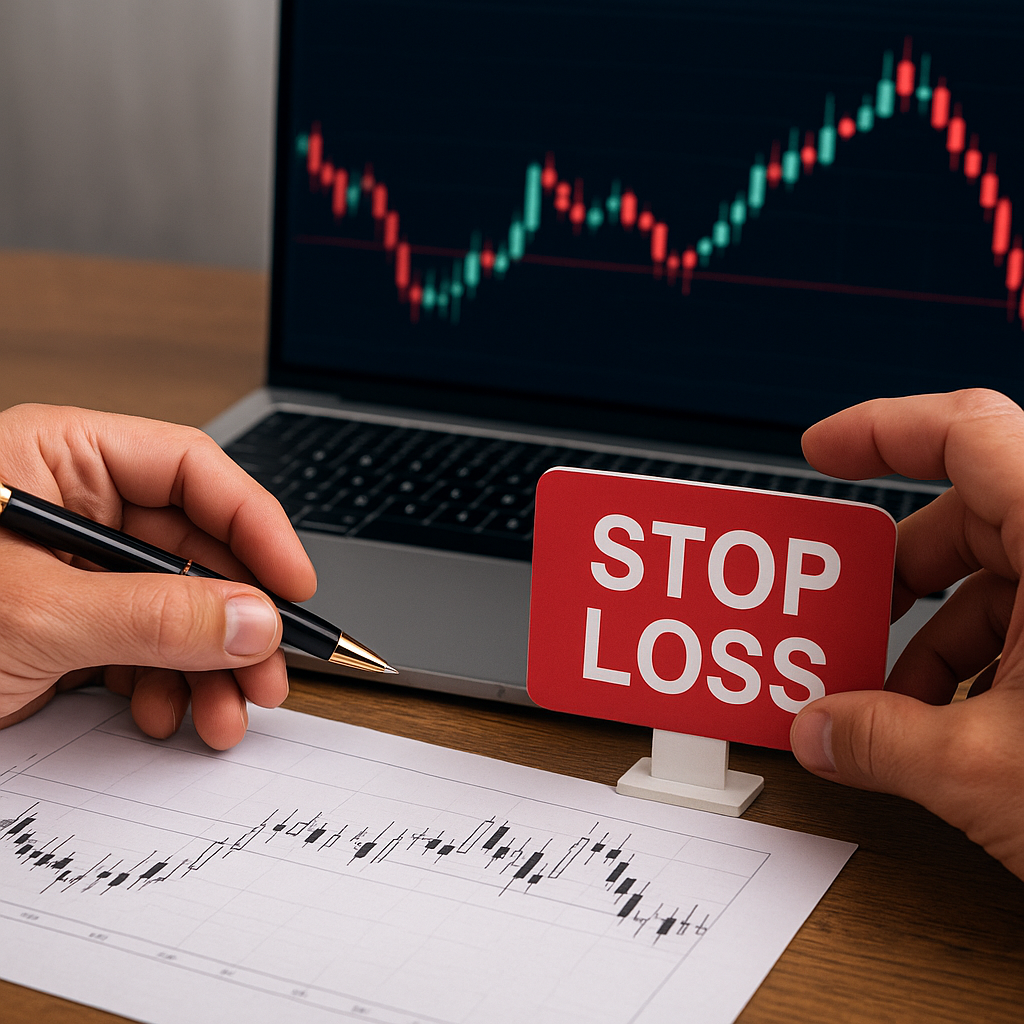
- Stop placement: Position stops beyond the opposite wick or near recent swing points to limit downside.
- Profit targets: Use predefined risk-reward ratios (e.g., 1:2 or 1:3) or trailing stops to lock in gains.
Combining candlestick patterns with additional indicators—like the Relative Strength Index (RSI) or Moving Average Convergence Divergence (MACD)—can further refine signal quality and mitigate false entries.
Risk Management and Position Sizing
Even the most reliable patterns will fail occasionally. Employing prudent risk management is non-negotiable:
- Risk per trade: Never risk more than 1–2% of your account on a single position.
- Maximum daily loss: Cap drawdowns to preserve mental capital and avoid revenge trading.
- Leverage control: Use moderate leverage to minimize margin calls and forced liquidations.
Combining disciplined money management with candlestick strategies helps you remain solvent through drawdowns and capitalize on high-probability setups over time.
Advanced Techniques and Common Pitfalls
As you become more experienced, consider the following enhancements:
- Pattern clusters: Multiple patterns forming in close succession can signal stronger moves.
- Order flow analysis: Integrate Level II or volume footprint data to verify institutional activity.
- Algo screening: Automate pattern detection to avoid human errors and missed opportunities.
Be wary of these typical mistakes:
- Overtrading every candle setup without context.
- Ignoring slippage and transaction costs in backtests.
- Forcing trades when patterns conflict with higher-timeframe trends.
By continuously refining your approach, backtesting new ideas, and maintaining a disciplined mindset, you can harness the power of candlestick analysis and transform it into a consistent edge in the forex market.