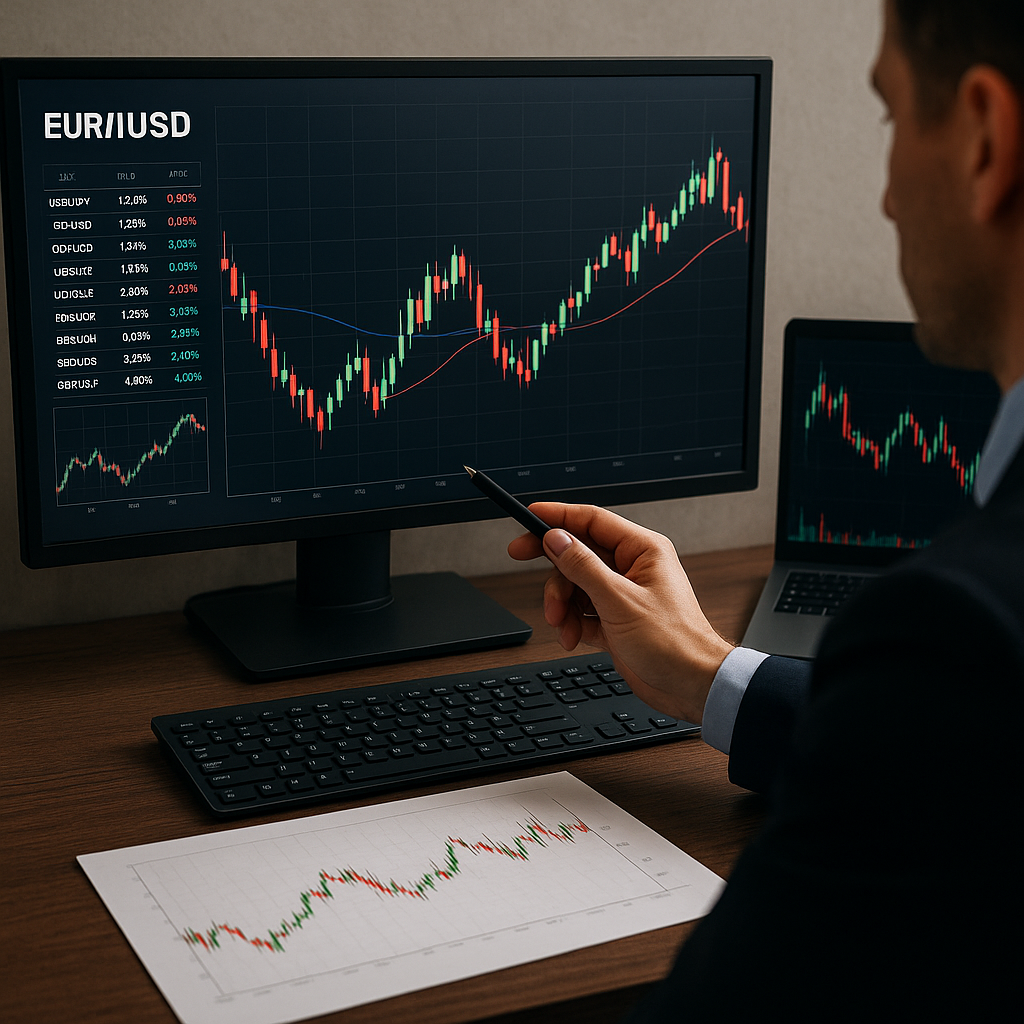
Entering the foreign exchange market without a solid strategy can expose traders to substantial losses. Protecting your capital involves understanding inherent dangers, applying proven safeguards, and maintaining the right mindset. This article explores practical approaches that help traders shield their assets while pursuing sustainable gains.
Understanding Market Dynamics and Risks
Before placing a single order, a trader must grasp the nature of the FX market. Extreme volatility can result in rapid price swings, turning profitable positions into losses within seconds. Additionally, news releases and geopolitical events can amplify market moves, catching the unprepared off guard. To navigate these waters safely, one must familiarize with the main risk factors at play:
- Liquidity risk: During off-peak hours or unexpected news announcements, liquidity dries up, widening spreads and potentially causing slippage.
- Counterparty risk: Working with non-regulated or poorly capitalized brokers can jeopardize fund safety.
- Leverage risk: Excessive leverage magnifies both gains and losses, making disciplined use of margin crucial.
- Event risk: Economic data releases or political disruptions may trigger sudden market reactions.
Developing awareness of these threats represents the first line of defense. By monitoring economic calendars and broker stability, traders reduce exposure to sudden, unpredictable swings. A well-structured trading plan shines a light on potential pitfalls before they occur.
Implementing Robust Risk Management Techniques
No strategy is complete without a comprehensive risk control framework. Effective management of risk ensures that one losing trade does not wipe out an entire account. Key methods include:
- Position sizing: Allocate a fixed percentage of your account balance to each trade, typically between 1% and 3%.
- Use of stop-loss orders: Automatically close losing trades at predetermined levels to limit drawdown.
- Risk-reward ratio: Seek trades with at least a 1:2 or 1:3 upside potential relative to possible downside.
- Diversification: Spread capital across multiple currency pairs or strategies to avoid overconcentration.
Combining these elements fosters resilience. For example, a trader risking 2% of capital per position with a 1:2 risk-reward ratio can endure a 50% losing streak and still recoup losses through disciplined wins. Tools like percentage-based stop-loss calculators automate the math, ensuring consistency.
Technical and Fundamental Analysis Complementarity
Relying solely on either technical or fundamental methods limits a trader’s perspective. Blending both approaches provides a more holistic market picture:
Technical Methods
- Trend identification using moving averages or trendlines.
- Support and resistance levels to anticipate reversal points.
- Momentum indicators like RSI or MACD to gauge overbought and oversold conditions.
Fundamental Insights
- Monitoring central bank policies and interest rate differentials.
- Analyzing macroeconomic data (GDP, inflation, employment figures).
- Assessing geopolitical developments and their impact on currency strength.
By cross-referencing technical signals with real-world events, traders gain confidence in their entries and exits. If price forms a bullish chart pattern near a key support level and the upcoming interest rate decision appears dovish, the converging signal strengthens the trade idea.
Cultivating Psychological Discipline and Emotional Control
Even the best strategies fail when emotions take the reins. Fear and greed often drive impulsive decisions, leading to premature exits or reckless overtrading. Building a winning mindset requires:
- Adhering strictly to the trading plan, even when tempted to deviate after a profitable streak.
- Keeping a trade journal to document decisions, outcomes, and emotional states.
- Regularly reviewing past trades to identify recurring mistakes and behavioral patterns.
- Practicing patience by waiting for high-probability setups rather than chasing every market move.
Maintaining emotional equilibrium prevents premature stop-outs due to panic or overleveraged positions fueled by overconfidence. A calm mind makes objective assessments, cutting losses quickly and allowing winners to run.
Adapting to Changing Conditions and Continuous Improvement
The FX market never stands still. Strategies that thrived in past environments may falter as volatility regimes shift or central banks alter policy frameworks. Traders must engage in ongoing refinement:
- Backtesting new ideas on historical data to evaluate viability without risking capital.
- Paper trading on demo accounts when experimenting with different instruments or timeframes.
- Attending webinars, reading research notes, and collaborating with peer communities for fresh perspectives.
- Assessing performance metrics such as average win size, average loss, and maximum drawdown to spot weaknesses.
Through disciplined review and adaptation, traders align their methods with evolving market structures. Regular health checks keep strategies robust and responsive to both short-term events and long-term trends.