Traders frequently encounter situations where a currency pair seems poised for a significant move, only to reverse sharply after breaching a key level. Recognizing these deceptive moves is crucial for preserving capital and improving overall performance. This article explores reliable techniques to spot false breakouts in the foreign exchange market and offers actionable strategies to navigate them.
Understanding the Anatomy of a False Breakout
A false breakout occurs when price temporarily moves beyond a defined support levels or resistance levels before reversing back into the previous range. Such moves often trap traders who expect a sustained breakout, resulting in stop-outs and frustration. Key factors behind false breakouts include insufficient liquidity, sudden spikes in volatility, and conflicting market sentiment.
Common Triggers
- News releases that fail to sustain momentum
- Thin trading sessions with low participation
- Algorithmic orders sweeping stops clustered around obvious levels
Price Action Clues
Observing candlestick shapes around the breakout area can reveal hidden weakness. Look for wicks penetrating the barrier with little follow-through, or engulfing patterns that quickly reclaim the breakout zone. These formations hint at rapid order imbalances and institutional counterflow.
Technical Indicators to Confirm or Reject Breakouts
Relying solely on a price piercing a key line is insufficient. Combining multiple tools enhances reliability and reduces false signals.
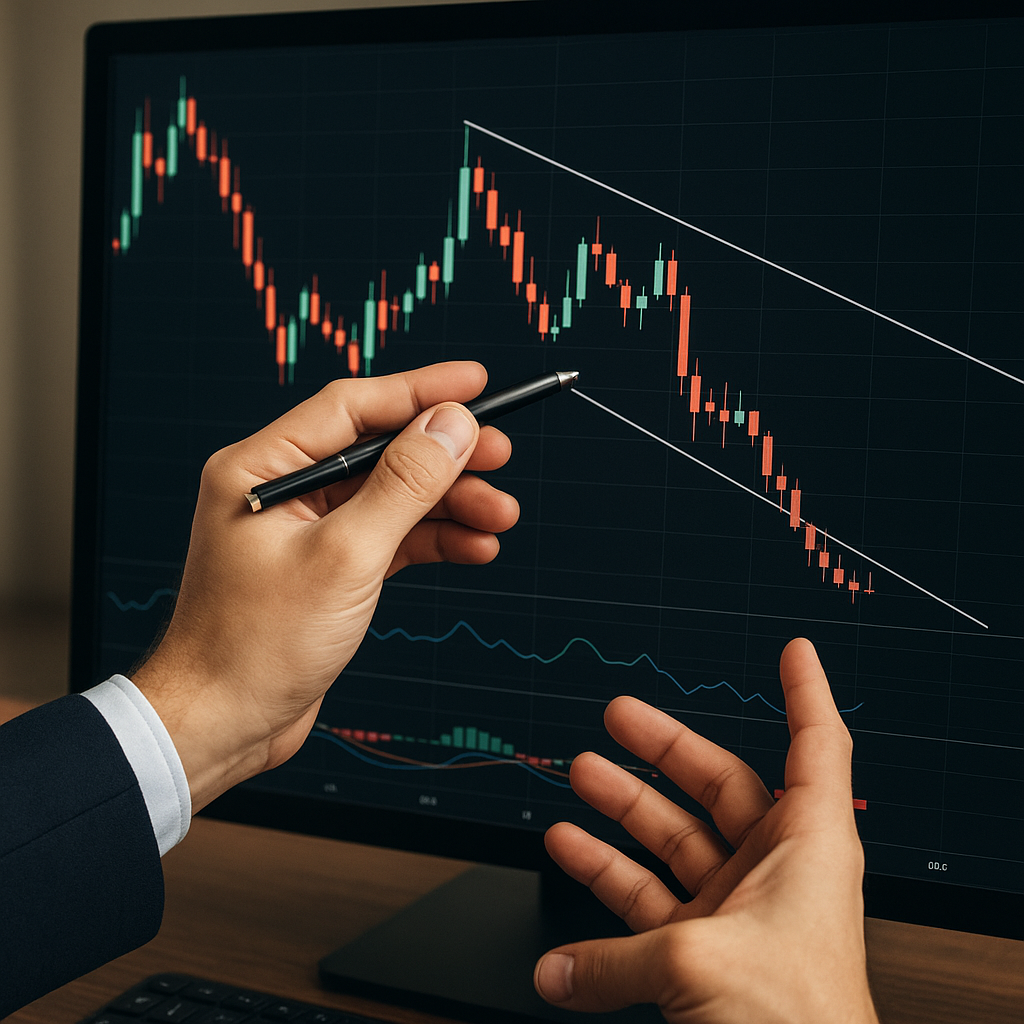
- Trend lines drawn from significant swing points: a break accompanied by poor angle alignment often signals a trap.
- Moving averages: a breakout that fails to close beyond a medium-term average (e.g., 50-period) often lacks follow-through.
- Volume or tick volume proxies: genuine breakouts typically show volume spikes, while false ones do not.
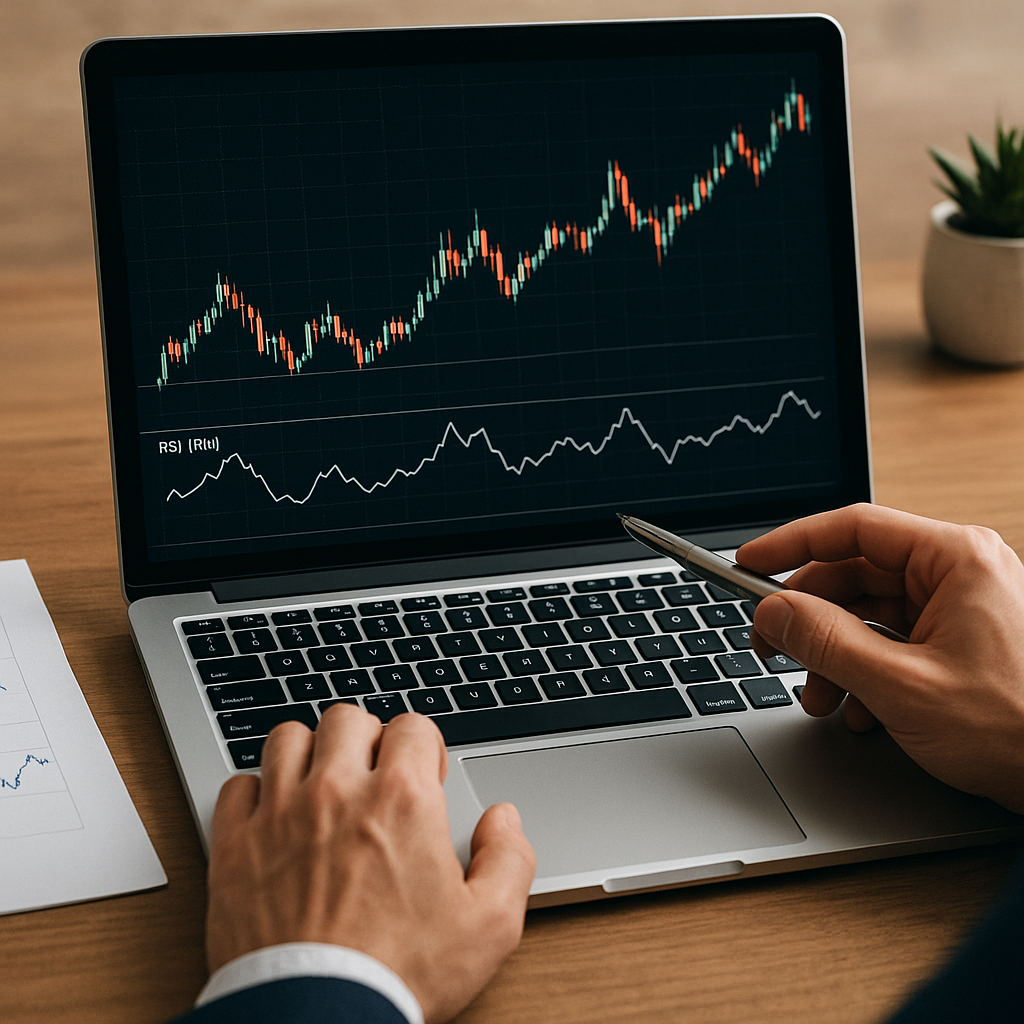
- Oscillators (RSI, Stochastic): divergence prior to or at the moment of breakout indicates weakening momentum.
Using Multiple Timeframes
Zoom out to higher intervals to assess the overall trend. A breakout on a 5-minute chart that contradicts the daily direction is more likely to fail. Conversely, breakouts aligning across timeframes—say 1-hour and 4-hour—carry greater conviction.
Market Context and Confirmation Signals
Context is king in forex. Evaluating the broader environment improves your odds of distinguishing real from fake moves.
- Session overlap: London-New York overlap often produces stronger directional moves.
- Economic calendar: avoid breakout trades immediately before major data releases.
- Correlation checks: if EUR/USD breaks out but GBP/USD stays rangebound, question the validity.
Wait for Confirmation
Instead of jumping in at the exact breakout moment, consider these confirmation techniques:
- Retest entries: allow price to reclaim the breakout level and then resume direction.
- Bar close confirmation: enter only after a full candlestick closes beyond the boundary.
- Multiple break entries: treat the second break through the same level as more trustworthy.
Risk Management and Strategic Responses
Even the best analyses cannot eliminate false breakouts entirely. Effective risk controls are essential to survive errant moves.
- Place stop-loss orders just beyond recent extremes and keep position sizes manageable.
- Scale into trades: commit only a portion of your intended size on the first breakout attempt.
- Employ break-even adjustments: once price moves favorably, shift stops to entry to nullify risk.
Alternate Strategies
Some traders prefer to exploit false breakouts rather than avoid them. Two popular approaches include:
- Counter-break play: anticipate reversal immediately after a failed breach and target the midpoint of the previous range.
- Option structures: using vanilla options or spreads can limit outright risk while allowing participation if a breakout eventually materializes.
Mastering the identification of false breakouts demands patience, discipline, and the use of diverse analytical tools. By combining price action reading with well-chosen indicators and strict risk protocols, traders can significantly reduce losses and improve trade quality in the dynamic forex market.