The foreign exchange landscape can shift in the blink of an eye, transforming a seemingly stable trend into a sharp reversal. For traders navigating this dynamic environment, sudden market turnarounds present both challenges and opportunities. By mastering techniques for early detection, disciplined risk control, and strategic adaptation, you’ll enhance your capacity to respond with confidence when volatility spikes. This article explores key methods that experienced traders use to handle abrupt reversals and maintain a competitive edge in the FX arena.
Identifying Early Warning Signs
Spotting the first hints of a market reversal is critical. Seasoned traders rely on a blend of technical tools and real-time data feeds to detect abnormalities before they escalate.
- Momentum Oscillators: Indicators such as the Relative Strength Index (RSI) and Moving Average Convergence Divergence (MACD) can reveal weakening price action. When oscillators diverge from price trends, a reversal may be imminent.
- Volume Spikes: Sudden surges in trading volume often accompany panic-driven moves. If volume peaks without sustained price progress, this could signal exhaustion.
- Sentiment Analysis: Monitoring trader positioning through tools like the Commitment of Traders (COT) report or social sentiment platforms helps gauge whether crowd behavior is overcrowded on one side.
- Order Book Imbalances: Real-time order book data can uncover large bid or ask walls that might halt or reverse a trend. Sharp imbalances often trigger swift price rotations.
By keeping an eye on these indicators, traders gain a tactical advantage, entering defensive positions or adjusting exposure before a major pivot occurs.
Implementing Risk Management Strategies
Effective risk management is the cornerstone of survival during abrupt market swings. Without robust controls, a single unanticipated reversal can wipe out weeks or months of gains.
Stop-Loss and Take-Profit Placement
Strategically placing stop-loss orders protects capital by limiting maximum drawdown. It’s crucial to set stops beyond regular market noise but close enough to prevent catastrophic losses. Complement this with predefined take-profit levels to lock in gains when price moves favorably.
Leverage and Position Sizing
While leverage amplifies gains, it can equally magnify losses in a flip-flop market. Calculating proper position sizes based on account equity and individual trade risk ensures that even a sharp reversal won’t drain your balance. Consider the rule of risking no more than 1–2% of available capital per trade.
Hedging Techniques
Hedging with correlated currency pairs or options contracts can reduce net exposure. For instance, if you’re long EUR/USD, a partial short position in GBP/USD might cushion adverse moves. Another approach involves using liquidity-sensitive instruments like FX futures to lock in exchange rates temporarily.
Analyzing Market Sentiment and Technical Indicators
Blending fundamental insights with chart analysis enhances the probability of detecting genuine reversals versus false signals.
Fundamental Catalysts
- Economic Data Releases: Key reports like non-farm payrolls, CPI, or central bank rate decisions can trigger abrupt flips. Understanding release schedules and consensus expectations prepares you to anticipate volatility.
- Geopolitical Events: Elections, trade negotiations, and diplomatic tensions often generate knee-jerk price reactions. Track major developments via reliable news feeds to stay ahead of potential reversals.
Chart Patterns and Trendlines
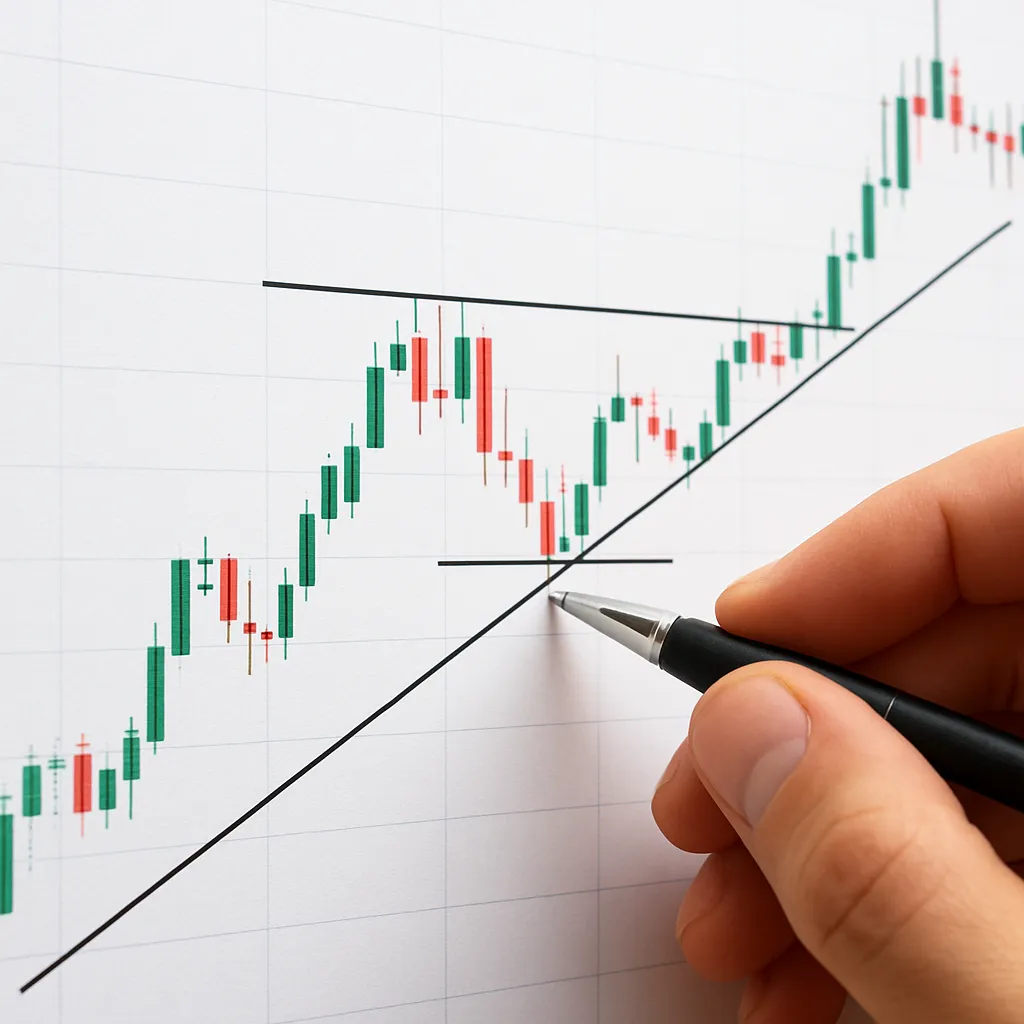
Classic reversal patterns—head and shoulders, double tops and bottoms, and rising/falling wedges—provide visual cues of impending directional changes. Drawing trendlines and watching for breakouts or retests confirms these setups. Look for candlestick formations such as pin bars and engulfing candles to validate entry or exit points.
Moving Averages and Dynamic Support/Resistance
Simple and exponential moving averages help identify trend shifts. A crossover of the 50-period and 200-period MA, commonly called the “death cross” or “golden cross,” often heralds a major trend reversal. These dynamic lines also act as support and resistance zones where price may stall or flip direction.
Adapting Trading Plans During Reversals
Even the best-laid strategies must evolve in the face of a changing market environment. Flexibility and quick decision-making differentiate successful traders from those who falter.
- Review and Revise Entry Criteria: If a reversal violates your original trade thesis, cancel pending orders or adjust trigger levels to align with the new directional bias.
- Scale Out of Positions: Instead of closing a position all at once, consider incremental profit-taking. This approach allows you to capture gains early while still participating if the reversal extends further.
- Rebalance Portfolio Exposure: Shift risk away from more volatile currency crosses into stable, diversification-friendly alternatives. For example, move from emerging market FX pairs to major pairs with deeper liquidity.
- Employ Trailing Stops: Anchoring trailing stops to recent swing highs or lows secures profits if the market reverses again. Trailing mechanisms adapt automatically, preserving your downside buffer.
Final Considerations
Rapid market reversals in the foreign exchange space demand a multifaceted response—early detection, strict risk controls, and strategic flexibility. By combining technical signals with fundamental awareness, and by constantly refining trade management techniques, you build the resilience needed to thrive amid uncertainty. With practice, you’ll learn to transform sudden volatility into opportunity rather than fear.