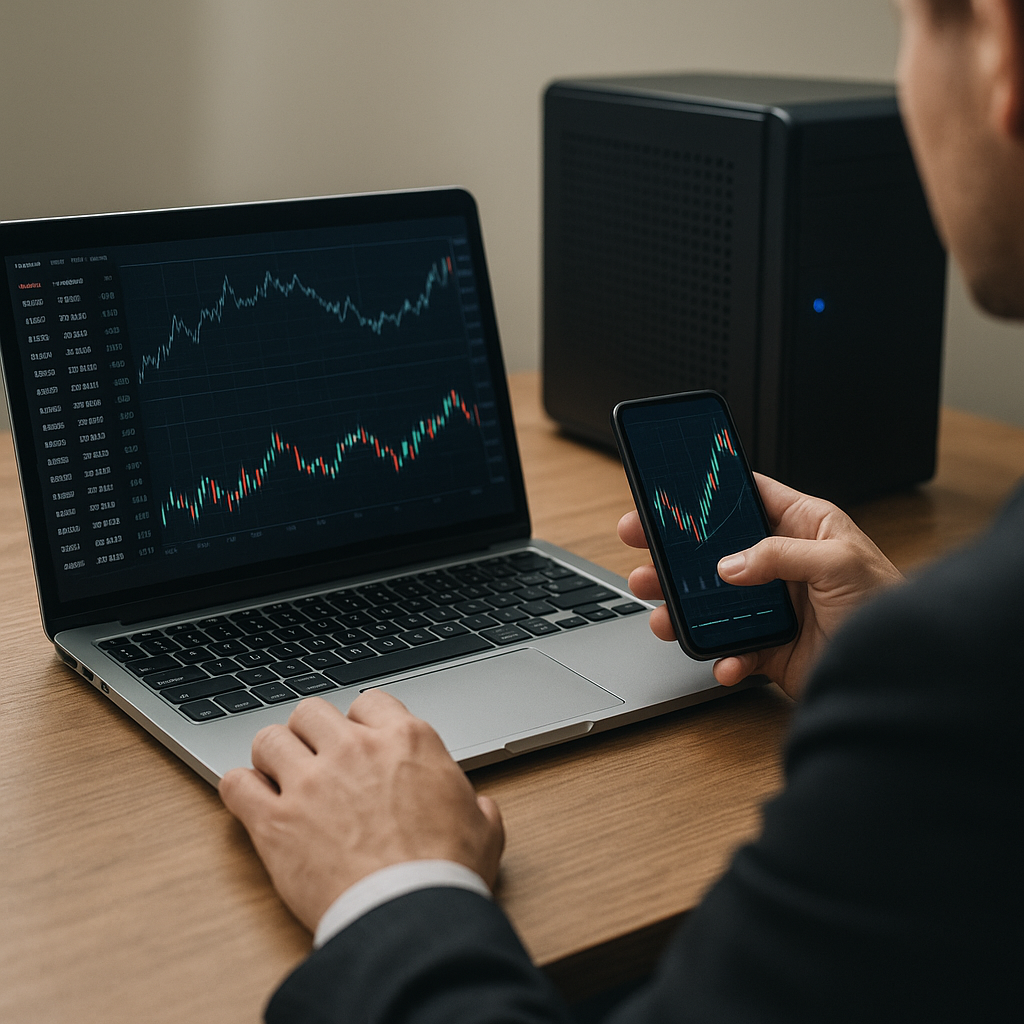
Selecting the right forex broker can make a significant difference in a trader’s success. With countless options available worldwide, it’s crucial to understand the key factors that separate reliable firms from risky operations. This guide dives into essential considerations, from regulatory oversight to platform capabilities, helping you navigate the complex world of foreign exchange trading.
Understanding Forex Broker Models
Forex brokers operate under different business structures, each with unique benefits and drawbacks. Familiarizing yourself with these models will help you choose a partner aligned with your trading style.
Market Maker vs ECN/STP
- Market Maker: Also known as dealing desks, these brokers set their own bid and ask prices, often offering fixed spreads. They may take the opposite side of your trades, potentially creating a conflict of interest.
- ECN (Electronic Communication Network): ECN brokers match your orders with other market participants. You benefit from tighter, variable spreads and direct market access, but you’ll pay a separate commission per trade.
- STP (Straight Through Processing): STP brokers forward your orders directly to liquidity providers without a dealing desk. You enjoy competitive pricing and reduced slippage, although spreads can widen during volatile sessions.
When comparing models, consider the trade-off between cost transparency and potential conflicts. ECN/STP setups often provide more objective pricing, while market makers can be suited for beginners needing consistent spread structures.
Regulatory Compliance and Security
Regulation ensures that brokers adhere to strict standards designed to protect client funds and ensure fair trading practices. Always verify a broker’s license before opening an account.
- Regulation: Check registration with top authorities like the FCA (UK), ASIC (Australia), NFA/CFTC (US), CySEC (Cyprus), or MAS (Singapore). These entities enforce rigorous capital requirements and regular audits.
- Segregated Accounts: Trustworthy brokers keep client assets in separate bank accounts, safeguarding your funds in case of insolvency.
- Encryption and Data Protection: Ensure the broker uses SSL encryption and robust firewalls to protect personal and financial data.
- Negative Balance Protection: This feature prevents your account from going below zero, eliminating the risk of owing money beyond your deposit.
A broker’s regulatory status impacts your overall trading environment. Licensed firms must comply with anti-money laundering (AML) rules and maintain transparent financial reporting, giving you greater peace of mind.
Trading Platforms and Technology
Evaluating a broker’s trading platform is crucial. A feature-rich, stable platform enhances your ability to analyze markets, execute trades, and manage risk effectively.
Popular Platform Options
- MetaTrader 4 (MT4): A long-standing industry standard, renowned for its extensive library of Expert Advisors (EAs) and custom indicators.
- MetaTrader 5 (MT5): An updated version offering more timeframes, advanced order types, and an integrated economic calendar.
- cTrader: Favored by many ECN traders for its transparent pricing, Level II market depth, and intuitive interface.
- Proprietary Platforms: Some brokers develop their own software, tailored with unique charting tools, news feeds, and social trading features.
Key platform attributes to examine:
- Order Execution Speed: Look for sub-second order processing to minimize requotes and slippage.
- Charting Tools: Advanced technical studies, drawing tools, and customizable layouts help you perform in-depth analysis.
- Mobile and Web Access: Ensure the platform delivers a seamless experience on smartphones and tablets for on-the-move trading.
- Automated Trading Capabilities: EAs, algorithmic scripts, and copy-trading networks allow you to implement predefined strategies or mirror experienced traders.
Costs, Fees, and Pricing Structures
Understanding all associated trading costs prevents unwelcome surprises and keeps your strategy profitable over the long term.
- Spreads: The difference between the bid and ask price, measured in pips. Variable spreads may tighten in active sessions but widen under volatility.
- Commission: Charged per lot by ECN brokers, often a fixed fee. Compare commission schedules to find the most cost-effective provider.
- Swap/Rollover Fees: Interest earned or charged for holding positions overnight. These can be positive or negative depending on currency pair rates.
- Inactivity Fees: Some brokers levy charges on dormant accounts. Review terms to avoid unexpected monthly deductions.
- Deposit/Withdrawal Fees: Check if the broker imposes fees or minimum withdrawal amounts that could affect your liquidity.
Calculate the total cost per round-trip trade by combining average spread and commission. Even minor differences of a few dollars per lot can accumulate significantly for high-frequency traders.
Account Types, Leverage, and Margin Requirements
Choosing an account structure that matches your capital and risk appetite is essential for responsible trading.
- Micro, Mini, and Standard Accounts: Micro accounts allow small-position sizes, making them ideal for beginners testing strategies. Standard accounts suit more experienced traders with larger capital.
- VIP or Premium Accounts: Often accompanied by tighter spreads, personalized support, and exclusive research materials.
- Islamic (Swap-Free) Accounts: Sharia-compliant options without overnight swaps, though brokers may charge a flat commission instead.
- Leverage and Margin Requirements: Higher leverage amplifies gains but also magnifies losses. Regulators in some regions cap leverage (e.g., 30:1 for major pairs). Ensure you understand margin calls and stop-out levels before trading.
Testing different account types via a demo environment helps you gauge suitable position sizing, leverage ratios, and overall risk tolerance without real-money exposure.
Customer Support and Educational Resources
Responsive customer service and a rich library of learning materials can accelerate your progress, especially when markets move rapidly.
- Support Channels: Look for live chat, phone lines, email, and even WhatsApp or Telegram options available 24/5 or 24/7.
- Multilingual Assistance: If English isn’t your first language, ensure the broker offers support in your native tongue.
- Educational Content: Webinars, video tutorials, e-books, and daily market analysis strengthen your market understanding.
- Demo Accounts: Practice trading in real-time conditions without risking capital.
An engaged community forum or social trading network can also provide peer insights and strategy ideas, enhancing your overall learning curve.