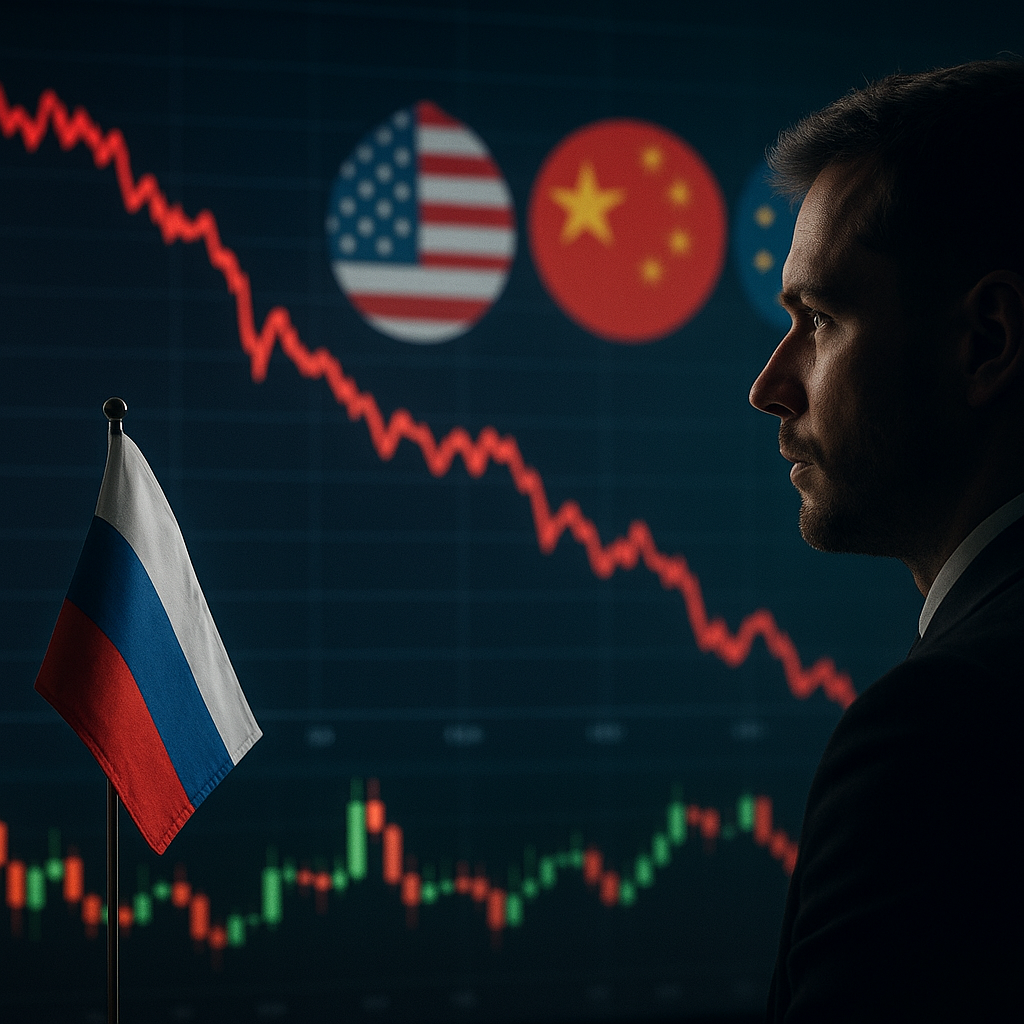
The frequency and intensity of international conflicts, diplomatic standoffs, and cross-border sanctions continuously reshape the landscape of the foreign exchange market. As investors and traders pore over economic indicators, policy statements, and headline news, they must also factor in the volatility and uncertainty that stem from geopolitical friction. This article explores how tensions between nations influence currency valuations, market behavior, and trading strategies, offering insights into managing currency exposure in an ever-shifting global arena.
Understanding Geopolitical Risk and Its Transmission Mechanisms
Geopolitical events range from trade disputes and military standoffs to regulatory crackdowns and energy supply disruptions. Each event carries a unique set of variables affecting currency pairs. At the core of this dynamic lies three essential transmission channels:
- Risk Appetite Shifts: Heightened tensions erode investor confidence, prompting flows away from high-yielding assets toward perceived safe-haven currencies.
- Commodity Price Fluctuations: Sanctions on oil-exporting nations or shipping chokepoints in strategic sea lanes can drastically alter commodity prices, feeding into the currency values of dependent economies.
- Policy Responses: Central bank interventions, capital controls, or coordinated monetary easing/tightening may be deployed as a reaction to geopolitical stress.
Traders must monitor these channels to anticipate abrupt swings in liquidity and market depth. When geopolitical unpredictability spikes, bid-ask spreads often widen, and algorithmic systems may throttle trading to mitigate risk, leading to a potential liquidity crunch.
Impact on Major Currency Pairs and Emerging Markets
Not all currencies react equally to geopolitical developments. Major pairs, such as EUR/USD and USD/JPY, can exhibit swift counter-movements, while emerging market (EM) FX often faces the harshest consequences.
Safe-Havens vs. Risk-On Currencies
- USD and JPY: Traditional havens that benefit from flight-to-safety flows. In times of international tension, investors park capital in U.S. Treasuries and Japanese government bonds, driving these currencies higher.
- CHF: Switzerland’s political neutrality and strong financial system make the franc another prime beneficiary of risk aversion episodes.
- Risk-On Counterparts: AUD, NZD, and CAD may see sharp sell-offs during crises, as their economies are closely tied to commodity exports and open trade policies.
Emerging Market Vulnerabilities
EM currencies such as the Turkish lira, Argentine peso, and South African rand are particularly sensitive due to:
- External Debt Denominations in USD: A strengthening dollar inflates repayment burdens, heightening default risk.
- Capital Flight: Investors withdraw funds en masse when tensions undermine confidence, triggering sudden liquidity shortages.
- Inflationary Pressures: Supply chain disruptions and currency depreciation fuel domestic inflation, further eroding purchasing power.
As a result, sudden spikes in geopolitical stress can trigger central bank interventions in EMFX, such as interest rate hikes or currency pegs—measures that can both stabilize and distort market pricing.
Trading Strategies in an Unstable Environment
To thrive amid geopolitical turbulence, traders and portfolio managers deploy a blend of analytical frameworks and risk-control tools. Below are key strategies to consider when navigating heightened global tensions.
1. Dynamic Hedging and Position Sizing
- Hedge Exposures: Use forwards, options, or currency swaps to lock in exchange rates for known cash flows. This reduces the impact of sudden currency moves on corporate or investment returns.
- Leverage Management: Apply prudent leverage ratios. Highly leveraged positions can amplify both gains and losses when sharp market moves occur.
- Dynamic Position Sizing: Adjust trade sizes according to current market sentiment and volatility metrics (e.g., VIX, FX volatility indices).
2. Diversification Across Assets and Geographies
Spreading risk is a fundamental principle in times of uncertainty. True diversification goes beyond holding multiple currency pairs:
- Combine FX Positions with Commodities: Correlations between gold, oil, and certain currencies may shift but often provide hedging benefits.
- Incorporate Cross-Asset Strategies: Blend currency plays with equities, bonds, and derivatives to capture alternative return streams and reduce overall portfolio risk.
- Global Geographic Spread: Maintain allocations in both developed and emerging markets to avoid concentration risk in any single region.
3. Scenario Analysis and Stress Testing
Prepare for adverse outcomes by modeling extreme but plausible scenarios:
- Simulate Major Events: Include scenarios like sudden sanctions on a large economy, escalation in geopolitical hotspots, or complete supply chain blockades.
- Liquidity Stress Tests: Assess how your positions would perform under constrained market conditions, wider spreads, and bank trading halts.
- Policy Shock Modeling: Evaluate the impact of unexpected central bank moves or coordinated government interventions aimed at stabilizing currency markets.
4. Real-Time Monitoring and News Filtering
Information overload is a major challenge when geopolitics intensify. Effective traders deploy:
- Automated News Feeds: Set up filters for keywords related to major geopolitical actors, trade negotiations, and regulatory announcements.
- Sentiment Analytics: Leverage machine learning tools to gauge market mood swings and preempt potential flash points.
- Alert Systems: Receive instant notifications for spikes in volatility indices or sudden changes in cross-border capital flows.
Conclusion: Adapting to a Geopolitically Charged Forex Market
Geopolitical tensions are an inseparable facet of the modern global economy, injecting waves of unpredictability into currency markets. By understanding the transmission mechanisms of political risk, identifying which currencies stand to gain or lose, and applying robust trading frameworks—such as dynamic hedging, rigorous stress testing, and diversified multi-asset allocations—market participants can better manage the impacts of international strife. The fusion of disciplined risk management with real-time analytics empowers traders to not only withstand the storms of geopolitical upheaval but also to harness them as potential sources of opportunity.

