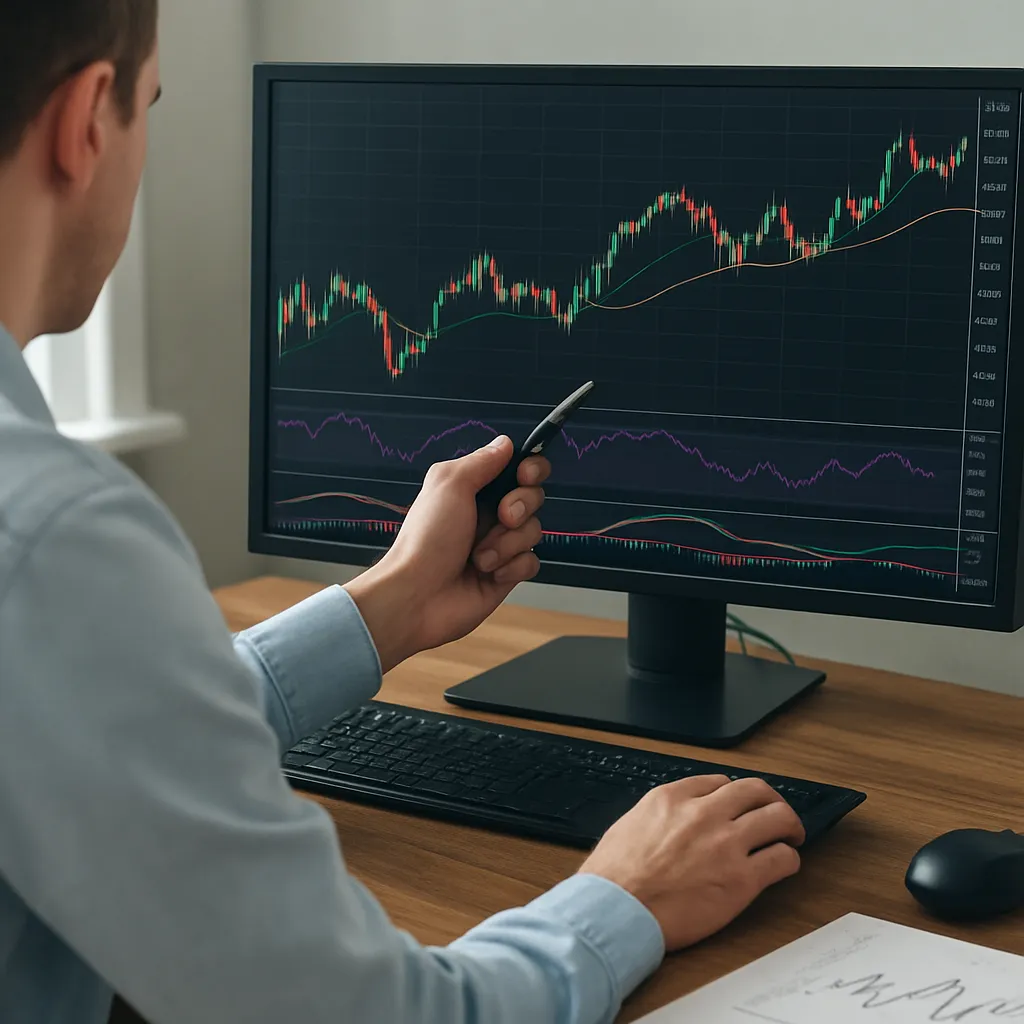
Navigating the foreign exchange market demands more than mastering individual tools; it requires a coherent strategy that balances multiple indicators without plunging into unnecessary complexity. By blending a handful of well-chosen measures, traders can sharpen their entry and exit points, manage risk, and maintain a clear perspective on market dynamics. This article explores practical steps to harness the power of diverse Forex indicators while preserving simplicity and enhancing decision-making.
Understanding the Role of Technical Indicators in Forex
Technical indicators translate raw price data into actionable insights, helping traders spot emerging trends, gauge volatility, and time their positions. Indicators fall into three major categories:
- Trend indicators: Moving Averages, ADX
- Momentum oscillators: RSI, MACD, Stochastic
- Volume and volatility tools: Bollinger Bands, ATR
Rather than chasing every available metric, focus on how each indicator contributes to a specific function. A trend indicator confirms market direction, a momentum oscillator gauges the strength of that move, and a volatility measure defines potential stop-loss or profit-target zones. By ensuring each tool offers distinct benefits, traders achieve clarity and avoid overlapping data that could otherwise cloud a trading plan.
For instance, pairing a 50-period Exponential Moving Average (EMA) with the Relative Strength Index (RSI) and the Average True Range (ATR) provides three complementary lenses: directional bias, momentum shifts, and price range. This trio helps traders identify robust signals while also calibrating risk according to prevailing market swings.
Selecting Complementary Indicators
When building a streamlined toolkit, adhere to these guiding principles:
- Assign each indicator a unique role: trend identification, momentum confirmation, or risk sizing.
- Limit the count to three or four core measures to reduce noise and conflicts.
- Backtest combinations extensively to verify their synergy across different currency pairs and timeframes.
A practical combo for swing traders might include:
- 20- and 50-period EMAs for trend alignment
- 14-period RSI to spot overbought or oversold conditions
- 14-period ATR for dynamic stop placement
Alternatively, day traders could opt for:
- Ichimoku Cloud for short-term trend and breakout cues
- MACD histogram for momentum divergence
- Bollinger Bands to monitor sudden volatility expansions
Mixing too many lagging or too many leading indicators tends to produce contradictory inputs. Strive for a balance: pairing a lagging trend filter with a leading oscillator often yields robust entry confirmations and helps avoid premature signals.
Implementing a Streamlined Analysis Workflow
A disciplined routine bridges indicator output with real-world execution. Follow this workflow:
- Scan major pairs for confluence: look for price above/below moving average and RSI crossing key thresholds.
- Confirm via a volatility gauge: only trade when ATR suggests sufficient movement potential.
- Draft clear entry and exit rules: define exact price triggers and stop-loss levels before entering.
- Automate repetitive tasks: use chart templates and alert systems to detect your preconfigured setups.
Document every trade in a journal, noting indicator readings and market context. Consistent backtesting and review of historical performance reveal which indicator combinations deliver reliable confirmation versus those prone to whipsaws. Over time, you’ll refine your approach by dropping underperforming tools and reinforcing high-conviction strategies.
Moreover, integrating risk management into your workflow is crucial. Position sizing should reflect both account equity and average true range. A well-curated indicator set that accurately measures trend and momentum aids in setting rational stop distances and profit targets—fostering sustainable growth without overleveraging.
Maintaining Discipline and Avoiding Analysis Paralysis
Even a concise indicator suite can overwhelm traders who lack procedural rigor. To maintain focus:
- Create a simple checklist: confirm trend direction, verify momentum shift, assess volatility, then execute.
- Limit your watchlist to a handful of currency pairs to ensure deep market familiarity.
- Implement mandatory break periods to prevent emotional overtrading after a series of wins or losses.
By adhering to a predefined process, you guard against impulsive decisions driven by conflicting indicator signals or sudden market noise. Remember, true trading mastery arises not from an endless arsenal of tools but from disciplined application of a few well-understood measures. A focus on robust strategies, consistent execution, and ongoing performance analysis will drive superior outcomes and minimize the risk of diversification into ineffective methods.