Identifying market manipulation in the foreign exchange arena can be challenging, given the immense liquidity and participation of diverse players. Traders and analysts must remain vigilant, employing a combination of technical scrutiny, behavioral observation, and regulatory awareness to spot irregularities. This article explores key methods and tools designed to help forex participants recognize and defend against manipulation.
Understanding Forex Market Structure
Main Participants and Their Roles
The forex market involves a spectrum of actors, from giant central banks setting monetary policy to retail traders speculating on currency moves. Each group exerts influence based on order size and intent. Major institutions, including multinational corporations, hedge funds, and commercial banks, provide enormous liquidity that allows the market to handle trillions in daily volume. In contrast, individual accounts execute smaller trades but can collectively shape short-term trends.
Liquidity, Spreads, and Execution
High liquidity typically yields narrow spreads and smooth execution, reducing slippage risk. However, during off-peak hours or economic data releases, liquidity can evaporate, widening spreads dramatically. Manipulators often exploit these windows by placing large disguised orders to trigger stop-loss clusters or push prices to psychological levels before reversing positions.
Common Manipulation Techniques
Spoofing and Its Detection
Spoofing entails placing a non-bona fide order to create false impression of supply or demand, only to cancel it once the market reacts. Detecting spoofing demands real-time monitoring of order book dynamics. Sudden appearance and disappearance of large bid or ask walls—especially if they vanish just as price approaches—signals potential deception.
Layering: A Variant of Spoofing
Layering goes beyond simple spoofing by stacking multiple orders at incrementally better prices to simulate a gradually strengthening support or resistance zone. Traders should watch for clusters of small orders that move in unison, then disappear when someone tries to take liquidity.
Front-Running by Intermediaries
When brokers or liquidity providers receive bulk order flow information, they might engage in front-running—placing their own trades ahead of client orders. Sharp slippage against large incoming orders can indicate this practice. Keeping track of execution quality reports and comparing slippage statistics across brokers helps identify suspicious patterns.
Bull and Bear Raids
Raids occur when a group of traders colludes to push price sharply in one direction, triggering stop hunts or margin calls among leveraged participants. This strategy relies on swift order execution and coordination. Unusual bursts of momentum followed by rapid reversals, especially around key data releases, often point to orchestrated activity.
Tools and Indicators to Detect Manipulation
Volume Analysis and Irregular Spikes
While forex lacks a centralized volume ledger, tick volume approximations from major platforms can reveal abnormal participation. A sudden surge in tick count without corresponding market-moving news suggests algorithmic or manipulative behavior. Traders should map volume trends against typical intraday patterns to flag outliers.
Order Book Monitoring
Direct access to Level II pricing or a broker’s depth-of-market view enables detailed surveillance of live bids and asks. Genuine market pressure tends to shift gradually, whereas manipulative interest registers as abrupt, large blocks of liquidity that appear and vanish. Setting alerts for order cancellations above a certain threshold helps capture potential spoof attempts.
Price Action and Candlestick Anomalies
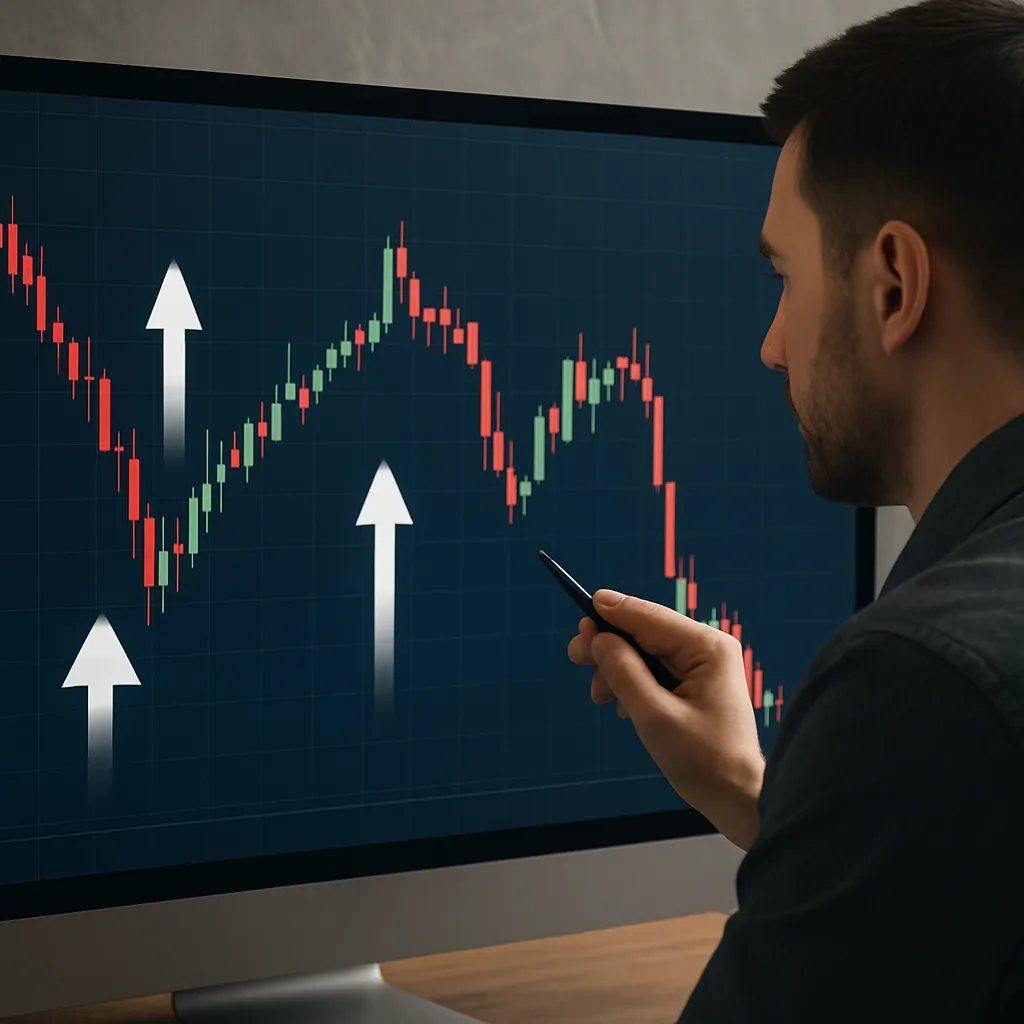
Manipulation often leaves footprints in candlestick formations. Look for “wick spikes” that breach prior swing highs or lows before closing back within the candle body. Such false breakouts indicate stop-hunting maneuvers. Combining these observations with volume metrics strengthens conviction of foul play.
Sentiment Indicators
Contrarian sentiment gauges, including positioning reports from the Commodity Futures Trading Commission (CFTC), help reveal when the market is heavily skewed. Excessive unanimity in trader bias can attract manipulators aiming to exploit crowd psychology. Monitoring social media sentiment and order flow sentiment indices completes the picture.
Risk Management and Mitigation Strategies
Regulatory Oversight and Enforcement
Reputable jurisdictions enforce strict rules against abuse, backed by surveillance systems that track suspicious order patterns. Familiarize yourself with the regulatory framework of your broker’s home country. Engaging with firms regulated by recognized bodies reduces exposure to unethical practices.
Choosing the Right Broker
Transparent brokers offer algorithmic trading tools, robust execution reports, and audited proof of reserves. Verify whether the broker passes through interbank quotes or employs a dealing desk model, which might introduce conflict of interest. Real-time trade cost analysis ensures your fills align closely with the displayed market.
Technical Safeguards and Alert Systems
Implement automated scripts to monitor order book anomalies and price spikes. Set up notifications for large order cancellations or repeated rapid-fire adjustments in depth. Backtest these alerts on historical data to filter out false positives and focus on genuine threats.
Behavioral Discipline
Perhaps the strongest defense lies in disciplined strategy execution. Avoid placing stop orders at obvious round numbers or within common clustering zones. Use wider protective stops or mental stop techniques, combined with position sizing rules. When manipulation is suspected, step back and allow the market to stabilize before re-entering.