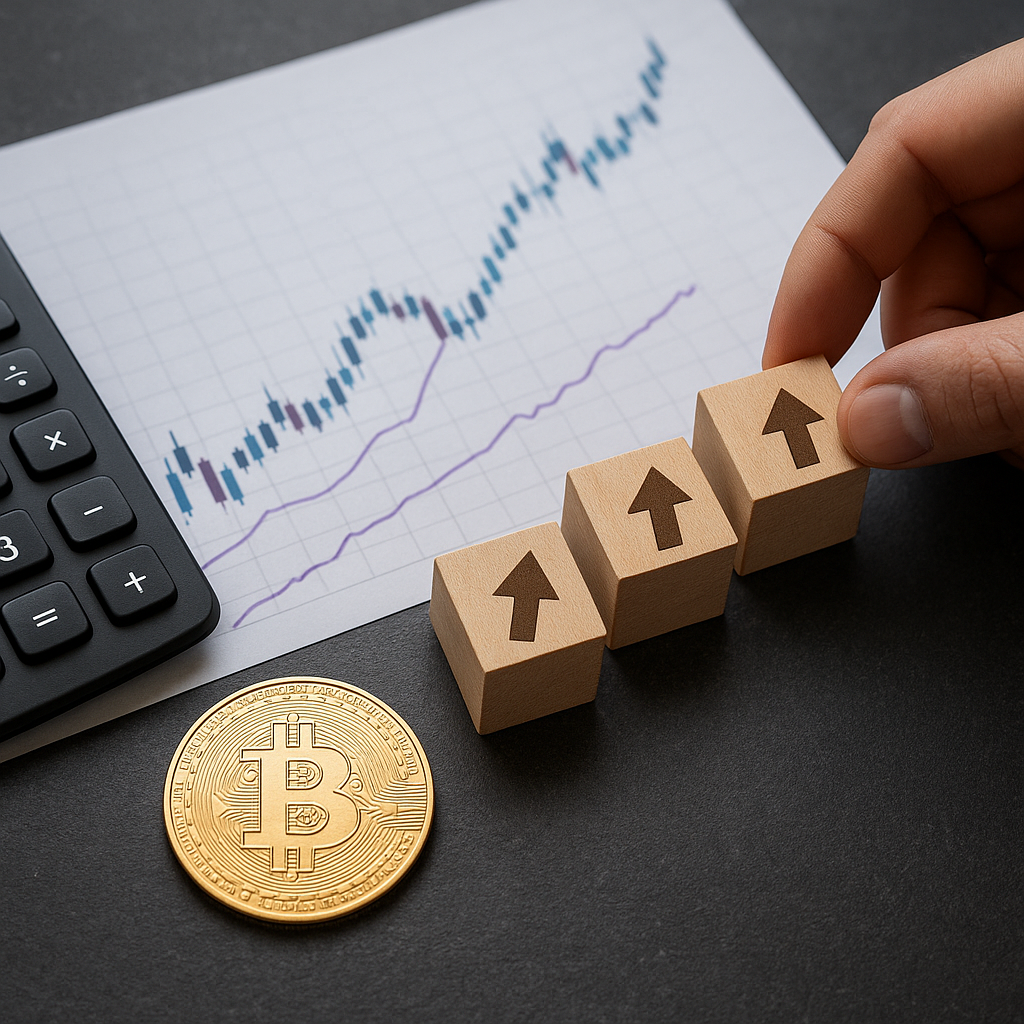
The foreign exchange market remains one of the most dynamic arenas for global capital, influenced by a myriad of macroeconomic factors. Among those, the decisions made by central banks regarding **interest rate** adjustments stand out for their profound impact on currency values, market **volatility**, and investor sentiment. Understanding how rate changes ripple through the **forex** landscape can equip traders, analysts, and portfolio managers with the insights necessary to navigate unpredictable swings and identify new **investment** opportunities.
The Role of Interest Rates in Currency Valuation
Interest rates represent the cost of borrowing money and the reward for saving. When a central bank raises its benchmark rate, it generally offers higher returns on deposits denominated in that currency, attracting foreign capital and driving up demand. Conversely, a rate cut can lead to capital outflows as investors seek better yields elsewhere. This direct relationship between the **interest rate** differential and currency strength forms the bedrock of many forex trading strategies.
Key mechanisms at play include:
- Carry Trades: Traders borrow in low-yielding currencies to fund positions in high-yielding ones, profiting from the interest rate gap.
- Capital Flows: Higher rates tend to draw institutional and retail funds, bolstering the domestic currency’s value.
- Inflation Expectations: Central banks often adjust rates to tame or stimulate economic activity, with higher rates used to curb **inflation** and lower rates to spur borrowing.
Over time, persistent rate differentials foster trends in major **currency pairs**, such as EUR/USD or USD/JPY, establishing long-term channels that traders can exploit until new fundamental shifts emerge.
Central Bank Decisions and Market Sentiment
Announcements from institutions like the Federal Reserve, European Central Bank, Bank of England, and Bank of Japan serve as key catalysts for short- and medium-term forex moves. Beyond the mere change in numbers, markets react to accompanying commentary on future **monetary policy** paths and economic projections. The subtle nuances in a rate statement can trigger sharp moves in both directions.
Factors influencing market sentiment include:
- Forward Guidance: Clear indications of upcoming hikes or cuts can generate a pre-emptive shift in positions, often dubbed the “stealth move.”
- Economic Data: Employment figures, GDP growth, and buyer price indices feed into central bank models, shaping expectations about the next policy move.
- Global Coordination: Simultaneous rate actions among major economies can produce synchronized currency moves, while divergent policies may widen gaps in **liquidity** and returns.
Traders often watch for hawkish or dovish tones in speeches. A hawkish stance signals readiness to raise rates further, supporting the currency, whereas dovish rhetoric implies future cuts or a reluctance to tighten, putting downward pressure on exchange rates.
Strategies for Navigating Interest Rate Volatility
Volatile rate environments present both opportunities and risks. Successful participants blend technical analysis with fundamental insights to time entries and exits more effectively. Key approaches include:
- Event-Driven Trading: Entering positions around scheduled announcements, with strict risk management to handle sudden spikes in spreads or slippage.
- Hedging Techniques: Utilizing options and futures to protect against adverse moves while retaining upside potential.
- Carry Trade Adjustments: Continuously monitoring rate differentials to scale in or out of existing positions based on shifting yield curves.
- Sentiment Analysis: Leveraging positioning data and market surveys to gauge the collective bias and potential for a counter-trend rally.
It is crucial to set stop-loss levels according to volatility metrics like the Average True Range (ATR) and to remain alert for unexpected geopolitical events that may amplify rate-driven swings.
Case Studies of Recent Rate Decisions
Several episodes illustrate how concretely interest rate shifts have rocked the FX world:
1. Federal Reserve Tightening Cycle
Between 2015 and 2018, the Fed raised its benchmark rate by over two percentage points. The USD gained sharply against a basket of currencies, with the USD/JPY pair climbing as capital retreated from lower-yielding Japanese assets. Traders who anticipated the sequence benefited from both the **economic growth** backdrop and the widening yield differential.
2. ECB’s Pandemic Response
In response to the COVID-19 crisis, the European Central Bank slashed rates and expanded asset purchases. The euro tumbled against the dollar, only to recover when the ECB signaled eventual normalization and as the U.S. economy faced its own soft patch. This pendulum swing underscored the importance of **market sentiment** and policy communication.
3. Emerging Market Divergence
Countries like Brazil and Turkey have seen rapid and sometimes unpredictable rate swings to combat surging inflation. Their currencies exhibited extreme **volatility**, offering large gains to daring speculators but also inflicting steep losses on those caught on the wrong side of illiquid market moves.
Risk Management and Future Outlook
Long-term success in forex hinges on disciplined risk control and a deep grasp of how **central bank** actions shape capital flows. Models that integrate interest rate forecasts, inflation projections, and growth estimates can flag overbought or oversold conditions, enabling more informed position sizing.
Looking ahead, monetary authorities worldwide face the delicate balance between curbing runaway prices and avoiding a recession. As economies diverge in their recovery paths, the resulting rate differentials will continue to sculpt the foreign exchange terrain. By staying abreast of policy signals, economic releases, and shifts in global **liquidity**, traders can remain agile and capitalize on emerging trends without succumbing to unforeseen shocks.