The foreign exchange market has undergone a profound transformation over the past decades, driven by rapid advances in technology. From the advent of digital trading terminals to the integration of sophisticated analytical tools, technology continues to reshape the way participants interact, strategize, and manage risk. This exploration delves into the key innovations that define the modern forex landscape, showcasing how connectivity and computational power have elevated market efficiency and opened new opportunities for traders and institutions alike.
Electronic Trading Platforms and Automation
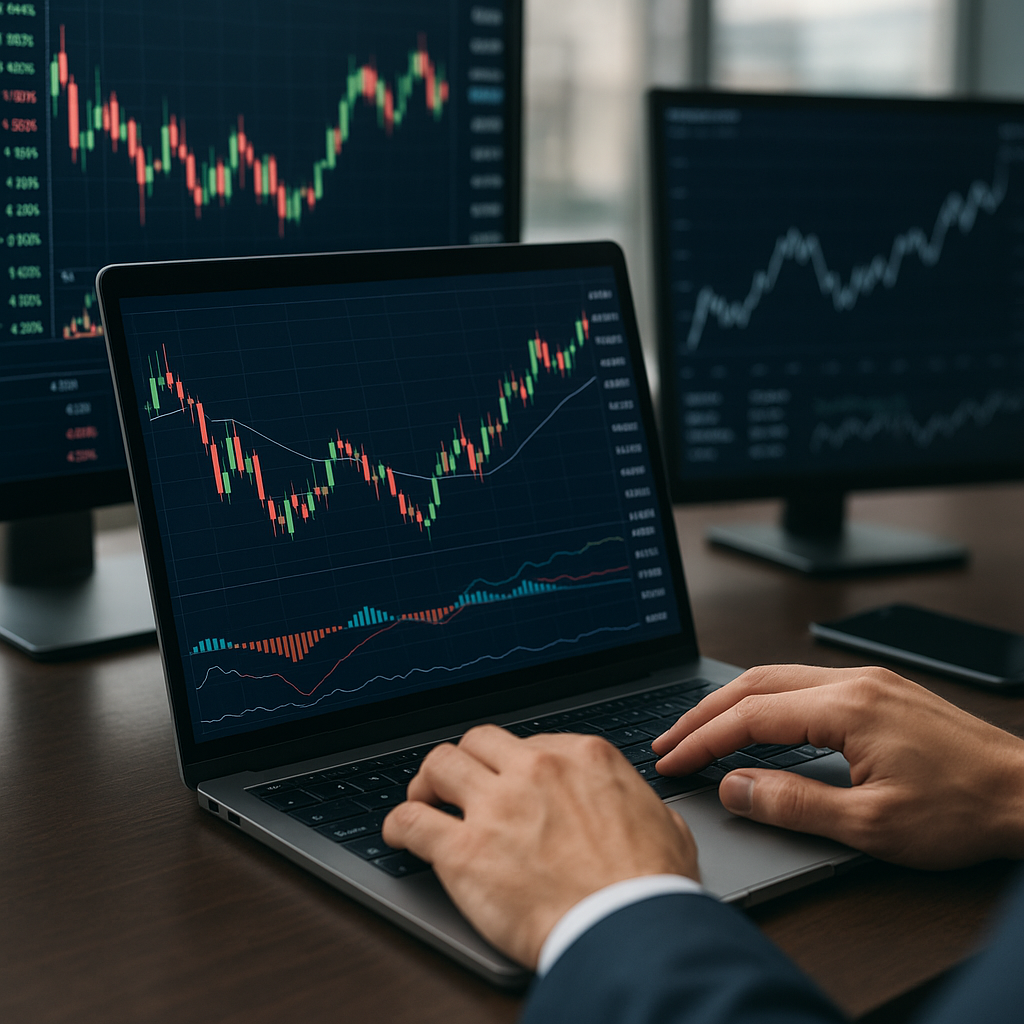
One of the most visible shifts in forex is the widespread adoption of electronic trading platforms. Traditional phone-based dealing rooms have largely given way to intuitive interfaces that deliver real-time prices, charting tools, and one-click order execution. These platforms have reduced operational costs, enhanced transparency, and broadened market access to a global audience.
Key Features of Modern Platforms
- Multi-asset integration, enabling forex alongside commodities and equities
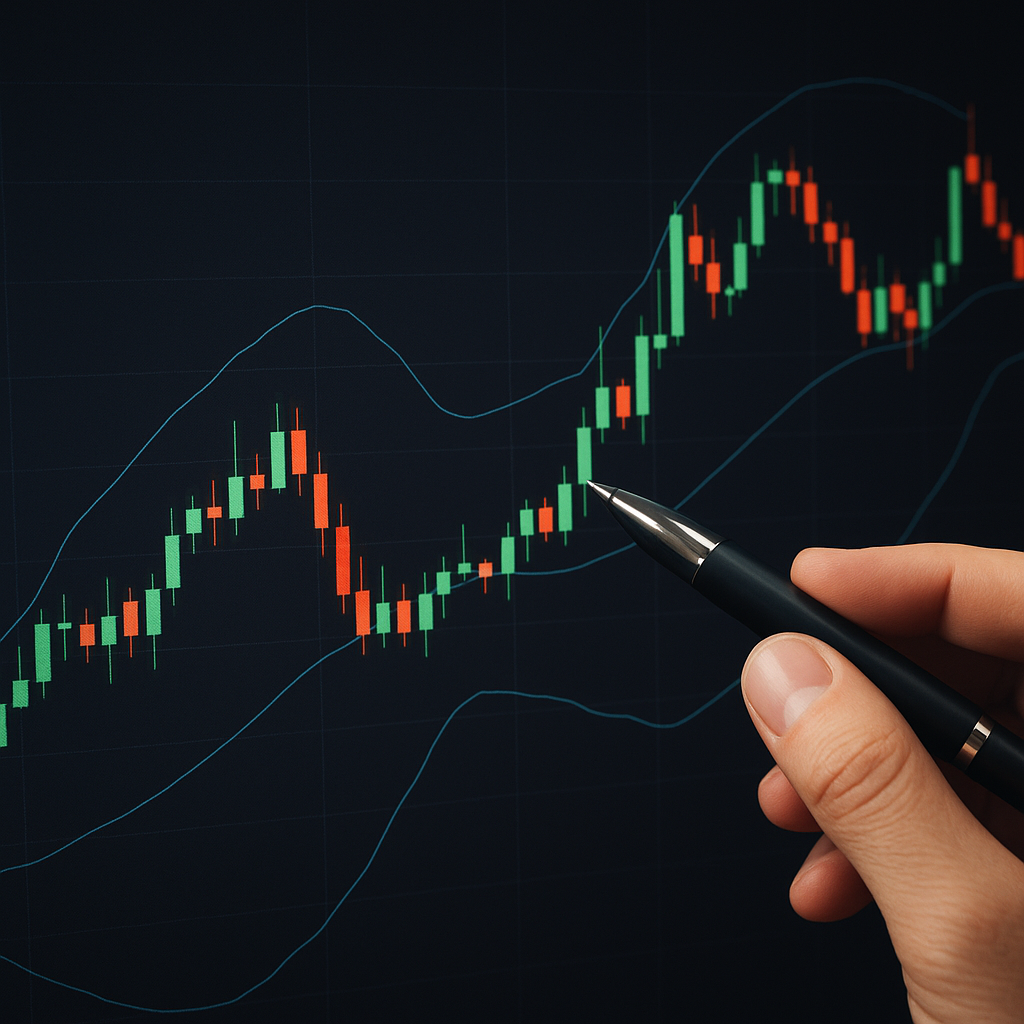
- Advanced charting modules with customizable technical indicators
- Automated order types such as stop-loss, take-profit, and trailing stops
- Direct access to liquidity providers, bypassing traditional dealing desks
- Secure encryption protocols to safeguard transaction data
Automation has become a cornerstone of execution. Traders now employ algorithms to place orders based on predefined parameters, ensuring swift response to market movements and minimizing emotional bias. This automation not only improves execution speed but also allows participants to operate around the clock, harnessing liquidity from diverse time zones.
Algorithmic Trading and Artificial Intelligence
The integration of algorithmic trading has revolutionized strategy development in forex. Complex mathematical models can analyze vast datasets, identify patterns, and execute trades within fractions of a second. These systems range from simple moving-average crossovers to high-frequency trading (HFT) models that seek to profit from minute price discrepancies.
Role of Machine Learning
As markets evolve, traditional rule-based algorithms often struggle to adapt. Enter machine learning and artificial intelligence, which empower systems to learn from historical data, refine parameters, and predict future price movements more accurately. Techniques such as neural networks and support vector machines are applied to:
- Forecast currency pairs based on macroeconomic indicators
- Adjust risk exposures dynamically in response to volatility shifts
- Detect anomalies that may signal manipulation or unusual activity
These intelligent models demand substantial computing power and advanced infrastructure. Their rise has prompted many brokers and institutions to invest in dedicated servers and low-latency networks, ensuring that predictive signals translate into timely and efficient orders.
Blockchain and Distributed Ledger Technology
The emergence of blockchain has sparked discussions about its potential to disrupt traditional forex clearing and settlement processes. By leveraging a distributed ledger, counterparties can record transactions in a transparent, immutable database, reducing reliance on central clearinghouses and intermediaries.
Benefits and Challenges
Key advantages of blockchain-based forex solutions include:
- Faster settlement cycles, mitigating counterparty risk
- Enhanced auditability through a permanent transaction history
- Lower operational overhead by automating reconciliation
However, achieving industry-wide adoption faces obstacles such as regulatory uncertainty, the need for standardized protocols, and concerns around scalability. Pilot projects have demonstrated proof of concept, but widespread integration will require collaboration among banks, fintech firms, and central banks to address compliance and interoperability.
Data Analytics and Risk Management
In an environment driven by high volumes and rapid turnover, robust data analytics and risk management frameworks are indispensable. Modern forex desks leverage big data to monitor positions, track performance metrics, and anticipate market events that could trigger sharp currency moves.
Advanced Analytics Tools
- Real-time dashboards summarizing profit and loss, margin usage, and exposure by currency
- Stress-testing modules simulating adverse scenarios, from interest rate shocks to geopolitical crises
- Automated alerts for margin calls or concentration risks
Moreover, liquidity analysis tools help traders identify optimal execution venues by evaluating depth, bid-ask spreads, and historical flow patterns. Coupled with automated hedging strategies, these solutions aim to preserve capital and ensure compliance with stringent regulatory requirements.
Connectivity, Latency, and Infrastructure
At the heart of technological progress lies the physical network architecture. Forex markets thrive on connectivity that bridges continents in milliseconds. Participants often colocate their servers within data centers adjacent to major liquidity hubs, minimizing latency and gaining a competitive edge.
Investment in fiber-optic lines, microwave links, and proprietary communication protocols underscores the premium placed on speed. Even a few microseconds difference can impact the profitability of high-frequency strategies. As a result, infrastructure providers now offer tailored solutions, from managed hosting to custom network routing.
Future Outlook and Emerging Trends
Looking ahead, the next wave of innovation will likely revolve around enhanced personalization and deeper integration with alternative asset classes. Concepts such as decentralized finance (DeFi) may introduce peer-to-peer currency swaps without centralized intermediaries. Meanwhile, the proliferation of cloud-based services could democratize access to sophisticated tools previously reserved for large institutions.
Ultimately, the synergy of cutting-edge technologies will continue to refine market efficiency, risk mitigation, and regulatory transparency. For traders and firms ready to embrace these tools, the evolving landscape offers unprecedented opportunities to navigate the complexities of a truly global marketplace.