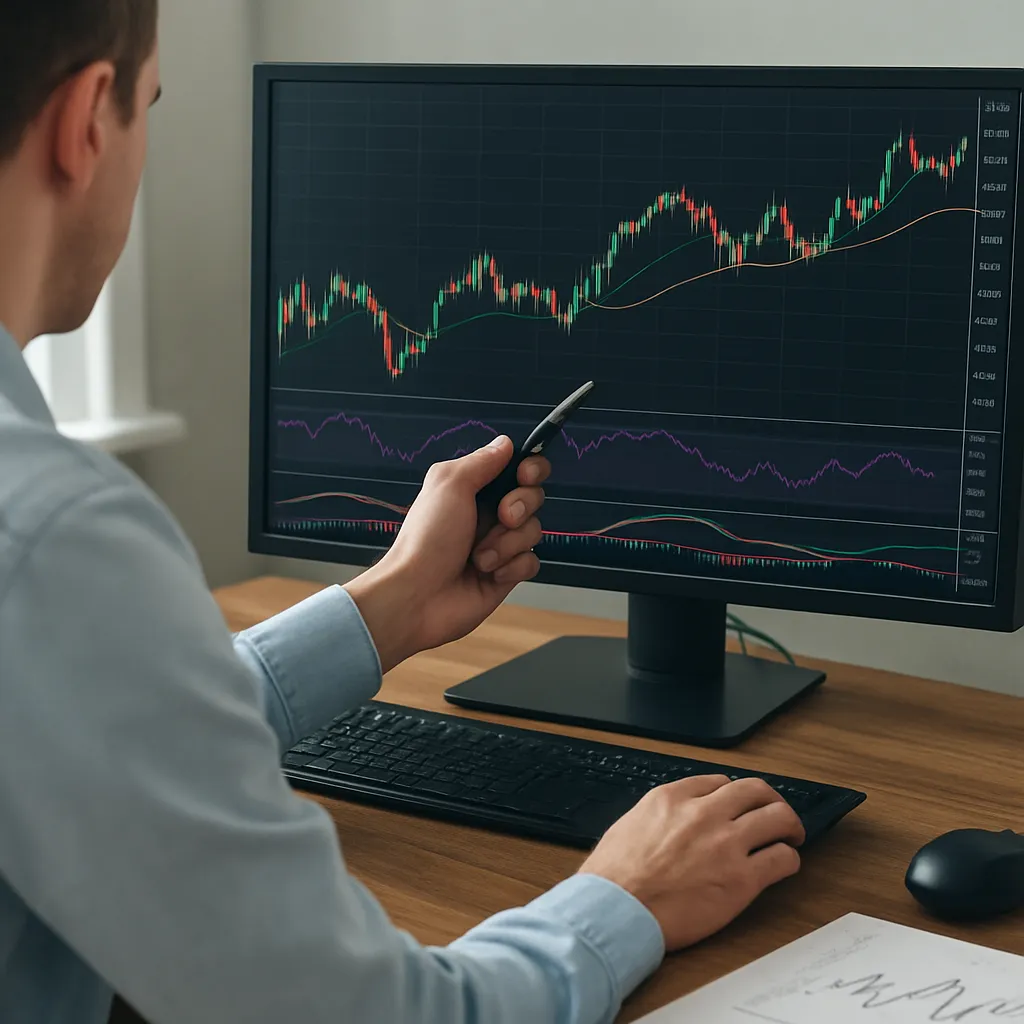
The interplay between greed and fear in the foreign exchange market often dictates a trader’s success or failure. As market participants react to ever-shifting economic data, central bank announcements, and geopolitical events, emotions can cloud judgment and undermine even the most robust trading plan. By exploring the psychology behind these powerful drivers, traders can develop strategies to harness their impulses, rather than being overwhelmed by them.
Understanding the Roots of Greed and Fear
From an evolutionary standpoint, humans are wired to seek reward and avoid danger. In Forex, this translates to chasing profits and shunning potential losses.
- Greed arises when traders focus solely on upside potential, often neglecting the probability of adverse outcomes.
- Fear triggers a defensive mindset, causing premature exits and hesitation, even when market conditions remain favourable.
Behavioral economists identify behavioral biases such as overconfidence, confirmation bias, and loss aversion as key contributors to emotional decision-making. Overconfidence may lead traders to ignore critical data, while confirmation bias reinforces preconceived notions by filtering out contradictory evidence.
Impact on Trading Behavior
Emotional extremes can manifest in various detrimental patterns:
- Overtrading: Driven by greed, traders increase position sizes or frequency of trades in pursuit of higher returns, often eroding capital through excessive transaction costs.
- Freezing: Under the grip of fear, traders might refuse to enter even the most promising setups, missing out on profitable opportunities and allowing losses to mount.
- Revenge Trading: After suffering losses, some traders desperately seek quick recovery, abandoning their risk management rules, which only intensifies the drawdown.
High volatility periods further magnify these reactions. Sudden spikes or dips in currency pairs can ignite panic or euphoria, prompting rash decisions instead of measured responses.
Strategies to Manage Emotions
Developing a systematic approach is essential for reducing the influence of emotions on trading outcomes. Key strategies include:
- Predefined Risk Parameters: Establish maximum loss per trade and daily drawdown limits to ensure consistent application of risk management principles.
- Trading Journal: Record rationales for each trade, entry and exit points, and emotional state. Reviewing journal entries fosters self-awareness and highlights recurring mistakes.
- Mindfulness Techniques: Incorporate breathing exercises or short meditation sessions before trading to calm the mind and enhance focus.
- Automated Orders: Use stop-loss and take-profit orders to enforce discipline and prevent impulsive modifications under duress.
Tools and Techniques for Psychological Edge
Beyond foundational strategies, specialized tools offer deeper insights into mental patterns and reinforce consistency.
Risk-Reward Ratio
Calculating a favourable risk management ratio ensures that potential profits outweigh potential losses. A common benchmark is at least 2:1, meaning anticipated gains are twice the possible losses. This approach makes a series of small losses manageable while maintaining long-term profitability.
Technical Analysis as a Confidence Booster
Detailed chart patterns, trendlines, and momentum indicators can reduce reliance on gut feelings. When traders see confluence between technical signals and fundamental data, confidence in decision-making grows, mitigating both fear and unchecked greed.
Psychological Profiling
Assessing individual risk tolerance and emotional triggers allows for customized trading frameworks. Tools such as personality questionnaires or simulated trading sessions can reveal whether a trader is more prone to aggressive expansion or conservative pullbacks. By aligning strategies with one’s inherent disposition, performance becomes more stable.
Building Long-Term Emotional Resilience
The journey to mastering emotional control in Forex requires dedication and continuous refinement. Key practices include:
- Regular Review Sessions: Weekly or monthly reviews of performance metrics, with attention to both financial outcomes and emotional states.
- Peer Accountability: Engaging with a trading community or mentor fosters external checks and balances, keeping impulsive decisions in check.
- Ongoing Education: Studying behavioral finance, psychological research, and market case studies equips traders with fresh perspectives on common pitfalls.
- Healthy Lifestyle Habits: Adequate sleep, balanced nutrition, and regular exercise enhance mental clarity and reduce stress-induced errors.
By combining analytical rigor with psychological insights, traders can transform trading decisions from reactive gambles into calculated maneuvers. The equilibrium between discipline and adaptability unlocks sustained success in the ever-evolving world of foreign exchange.