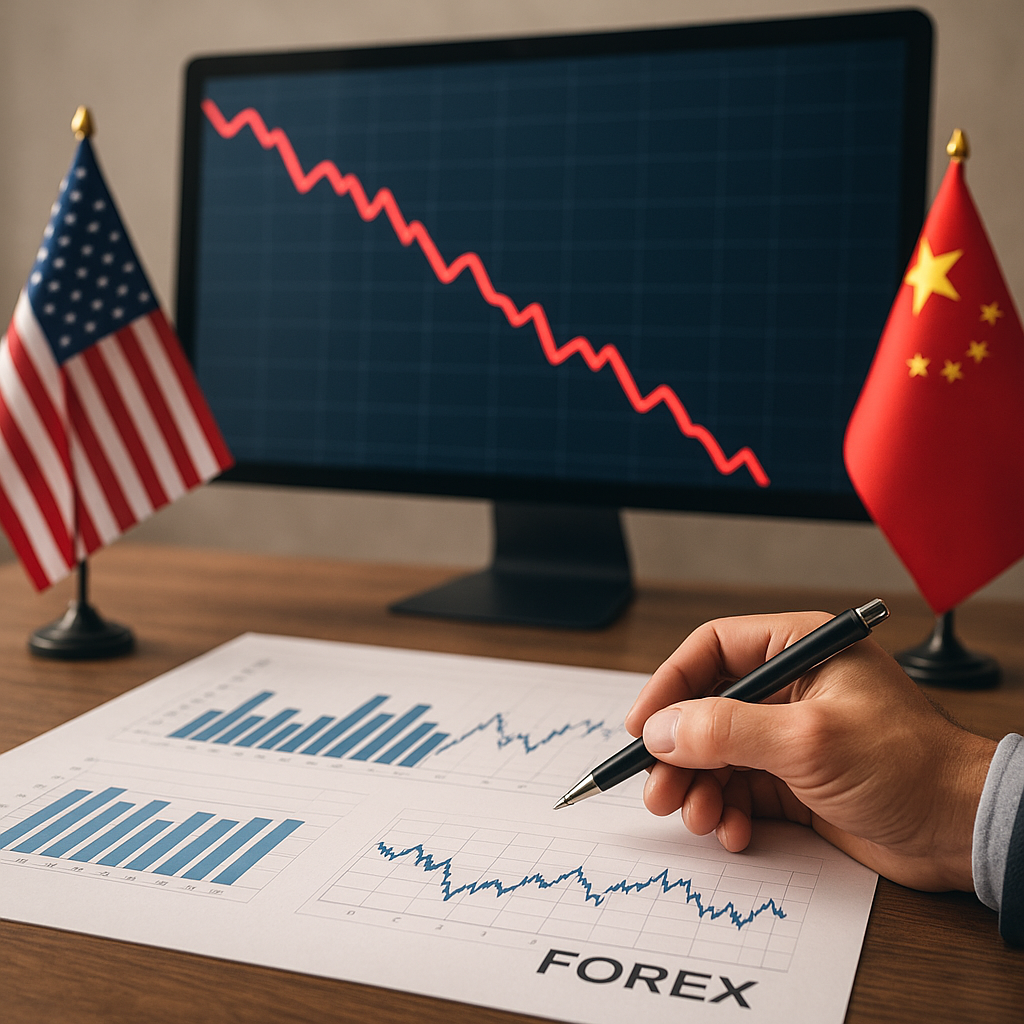
In the fast-paced world of currency exchange, two often-overlooked virtues hold the key to consistent profitability: patience and precise timing. Many traders chase quick gains, falling victim to impulsive decisions that erode capital. By cultivating a long-term mindset and learning when to enter or exit a position, market participants can navigate the relentless volatility of forex with confidence. This article examines how deliberate restraint and strategic entry points can elevate a trader from amateur to professional.
The Pillar of Patience in Forex Trading
Understanding the Value of Waiting
Patience is more than simply “holding on” to a trade. It involves:
- Allowing setups to fully develop according to your predefined strategy.
- Refraining from forcing trades during unclear market conditions.
- Accepting that not every hour or day offers an ideal opportunity.
Successful traders view patience as an active process, not a passive one. They constantly monitor price action, economic calendars, and key technical levels. Yet they only act when their criteria align, demonstrating discipline over impulses.
Key Benefits of Patience
- Reduced emotional stress and fewer “fear of missing out” moments.
- Improved risk-to-reward ratios by waiting for confirmation signals.
- Enhanced consistency through adherence to a well-defined trading plan.
By embracing patience, traders avoid the pitfalls of overtrading and impulsive entries that often lead to margin calls. This virtue serves as the foundation upon which advanced market tactics are built.
Mastering Timing Techniques in FX Markets
Identifying Optimal Entry Points
Precise timing is a blend of technical analysis, market sentiment, and fundamental insight. Consider these methods:
- Support and Resistance Levels: Waiting for price to react at established zones.
- Moving Average Crossovers: Using aligned averages to confirm trend direction.
- Candlestick Patterns: Entering on reliable formations such as engulfing or hammer candles.
Combining these tools provides stronger signals. For example, a bullish candlestick pattern at a major support area increases the probability of a successful long trade.
Timing with Economic Events
News releases can create sharp spikes and reversals. Effective techniques include:
- Pre-news positioning: Scaling into small initial positions before high-impact announcements.
- Post-news confirmation: Waiting for the first 15–30 minutes after release to gauge direction.
- Risk management: Reducing lot sizes to account for unpredictable spreads and slippage.
By combining patience with a readiness to act once information confirms your bias, traders harness fundamental catalysts without being swept away by sudden market frenzy.
Practical Strategies for Combining Patience and Timing
The Breakout Sprint with Controlled Patience
This strategy capitalizes on extended periods of consolidation. Steps include:
- Marking high and low boundaries of a trading range.
- Waiting patiently for price to approach these boundaries.
- Entering only after a confirmed breakout with volume or momentum indicators.
Such an approach prevents false breakouts from draining your account. The blend of analysis and delayed action ensures entries align with genuine market intent.
The Mean Reversion Approach
Mean reversion exploits temporary overextensions in price. Key components:
- Using oscillators like RSI or Stochastic to identify overbought/oversold conditions.
- Waiting for divergence between price and oscillator to signal weakening momentum.
- Entering when a reversal candle appears near a significant moving average.
Patience here means resisting the urge to fade every spike. Instead, you wait for clear signs of rejection before committing capital.
Scaling In and Out for Flexible Execution
Rather than a single entry, this method employs:
- Partial entries at key price levels to reduce risk.
- Additional orders as the trend confirms itself.
- Gradual profit-taking to lock in gains while maintaining a position for larger moves.
This tactic blends risk management with opportunistic timing. It demands patience during initial uncertainty and prompt action as momentum accelerates.
Psychological Challenges and Overcoming Impulsivity
Combating Emotional Traps
Forex trading exposes common mental hurdles:
- Revenge trading after losses.
- FOMO-driven entries right before market reversals.
- Overconfidence following a winning streak.
To counter these, implement:
- Pre-trade checklists outlining exact entry, stop-loss, and take-profit levels.
- Trading journals to record emotional state alongside performance metrics.
- Mandatory cooling-off periods after significant wins or losses.
These practices foster self-awareness and enforce discipline when markets test your resolve.
Building Resilience over Time
Consistency emerges from gradual progress:
- Start with micro or mini lots to minimize stress.
- Focus on one currency pair to master its unique behavior.
- Review and refine your approach weekly, not daily.
Such incremental steps reinforce patience and sharpen your sense of timing, turning short-term setbacks into long-term learning opportunities.
Leveraging Technology to Enhance Patience and Timing
Automated Alerts and Orders
Modern trading platforms offer:
- Price alerts that reduce screen-watching fatigue.
- OCO (One-Cancels-the-Other) orders to automate entry and exit criteria.
- Trailing stops that lock in profit as the market moves in your favour.
Automation removes human hesitation, ensuring trades execute exactly when predefined conditions are met.
Backtesting and Simulation
Patience and timing skills strengthen when validated through data:
- Backtest your methods over diverse market cycles.
- Use demo accounts to simulate real-time execution risks.
- Adjust parameters until your strategy yields consistent metrics for risk-adjusted returns.
This analytical stage builds confidence, reducing the urge to deviate once capital is at stake.
Aligning Mindset with Market Realities
Adopting a Growth-Oriented Perspective
True mastery in forex emerges from continuous learning. Emphasize:
- Regular education through books, webinars, and peer discussions.
- Adaptation to changing market structures, liquidity shifts, and geopolitical events.
- Viewing each trade as data, not a life-or-death event.
With a growth mindset, setbacks become valuable feedback rather than triggers for poor decisions. Your patience strengthens with each lesson absorbed.
Balancing Persistence and Flexibility
While persistence cements habits, rigidity can blind you to new opportunities. Strike a balance by:
- Maintaining your core plan but tweaking it when performance slips.
- Accepting small drawdowns as the cost of staying in the game.
- Celebrating incremental improvements, not just big wins.
This equilibrium ensures you remain patient for high-probability setups while agile enough to adjust when market dynamics evolve.