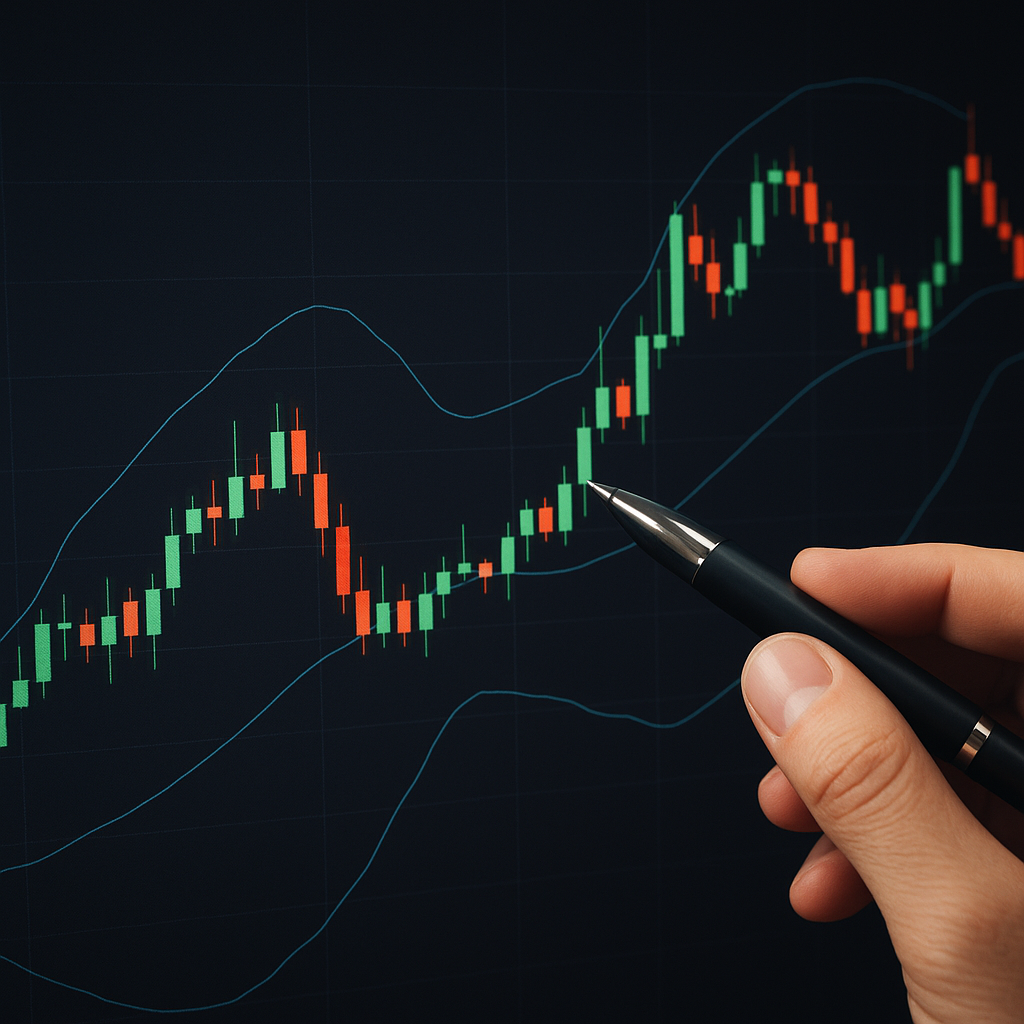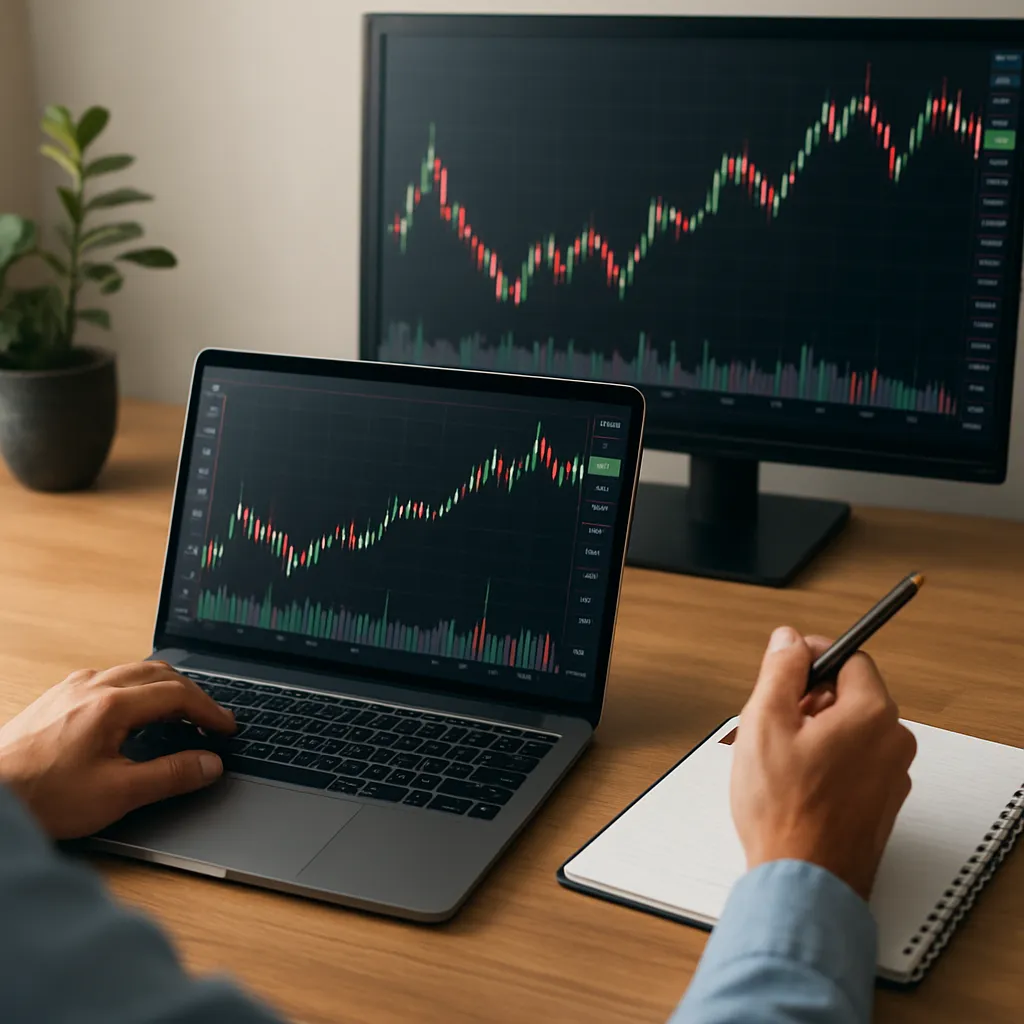
The world of forex trading is one of constant evolution, demanding that participants commit to continuous learning. As global markets shift in response to economic indicators, geopolitical events, and technological advancements, traders must refine their skills and knowledge to remain competitive. This article explores essential aspects of trading in foreign exchange—emphasizing the importance of ongoing education, the development of robust trading strategies, adoption of modern technology, and cultivation of strong discipline and adaptive mindset.
Foundations of Forex Knowledge and Education
Underpinning every successful forex trader’s journey is a commitment to acquiring and updating knowledge. Mastery of core concepts such as currency pairs, pip values, margin requirements, and leverage lays the groundwork for informed decision-making. A strong educational foundation should include:
- Fundamental analysis: Understanding macroeconomic indicators like GDP, unemployment rates, and interest rate decisions empowers traders to gauge currency strength.
- Technical analysis: Chart patterns, trend lines, support and resistance levels, and candlestick formations guide entry and exit points.
- Risk management: Position sizing, stop-loss orders, and risk-to-reward ratios are essential tools for protecting capital.
- Psychological resilience: Recognizing emotional biases and stress management techniques enhances trading consistency.
Reliable education resources are widely available, including webinars, online courses, trading simulators, and advanced textbooks. Traders should seek out reputable instructors and platforms, engage in interactive learning, and participate in live market analysis sessions. By prioritizing thorough study over speculative shortcuts, aspiring participants can minimize early missteps.
Developing and Refining Trading Strategies
A comprehensive strategy integrates both analytical frameworks and personal comfort levels. Initial approaches often merge technical indicators—such as moving averages or the Relative Strength Index (RSI)—with price action. However, with continuous learning, traders discover nuanced tactics, including:
- Algorithmic templates: Designing basic Expert Advisors (EAs) or scripts to automate recurring tasks.
- Carry trades: Exploiting interest rate differentials to earn steady returns over time.
- Breakout methodologies: Targeting consolidation zones and trading momentum when price escapes established ranges.
- Correlation strategies: Recognizing relationships between currency pairs and commodity prices or indices.
Effective strategy development demands rigorous backtesting and forward testing. Utilizing historical data, traders can assess the robustness of a plan across various market regimes. Advanced analytics tools—like Monte Carlo simulations or walk-forward optimization—reveal hidden vulnerabilities. Periodic reviews ensure that underperforming elements are replaced or improved, reinforcing the need for continuous learning even after a method proves initially successful.
Embracing Technological Innovations in Forex
Modern technology has transformed forex into an arena of high-speed execution and data-driven insights. From charting platforms offering real-time heat maps to AI-powered sentiment analysis, traders now access a wealth of information at their fingertips. Key technological enhancements include:
- Automated trading systems: Bots that execute trades under predefined conditions, reducing emotional interference.
- Big data feeds: Aggregating social media posts and news headlines to gauge market sentiment shifts.
- Mobile applications: Allowing traders to monitor positions and place orders on the go.
- Cloud-based infrastructures: Providing scalable computing power for complex backtests and real-time scans.
Integrating these tools into daily workflows requires a willingness to adjust to new interfaces and protocols. Tutorials, user forums, and vendor webinars help traders keep pace with innovations. As the pace of technological change accelerates, staying updated becomes not just an advantage but a necessity.
Cultivating Discipline and an Adaptive Mindset
Technical know-how alone does not guarantee success. Traders must also develop the mental fortitude to follow their game plan under pressure. Critical aspects of a professional mindset include:
- Patience: Waiting for high-probability setups instead of forcing trades out of boredom or frustration.
- Consistency: Applying rules for entries, exits, and risk management uniformly across all sessions.
- Resilience: Recovering quickly from drawdowns and learning from mistakes without succumbing to fear or overconfidence.
- Flexibility: Adapting to unforeseen market conditions by revising strategies and studying emerging patterns.
Techniques such as journaling trades, conducting periodic performance reviews, and engaging in mindfulness or stress-reduction exercises further reinforce discipline. By combining a structured routine with self-reflection, traders sharpen their ability to act decisively and maintain emotional equilibrium.
Leveraging Networking and Community Insights
No trader operates in a vacuum. Engaging with fellow participants through forums, social media groups, and local meetups fosters valuable exchanges of ideas. Collaborative opportunities include:
- Strategy roundtables: Peer critiques of each other’s methods, offering fresh viewpoints.
- Mentorship programs: Seasoned professionals guiding novices through market pitfalls and best practices.
- Trading competitions: Simulated environments to test mettle against a broader field.
- Shared resources: Collective libraries of research reports, indicator templates, and trading scripts.
Genuine networking not only broadens technical knowledge but also provides moral support. Witnessing peers tackle similar challenges can alleviate isolation, reinforcing a commitment to continuous learning and growth.