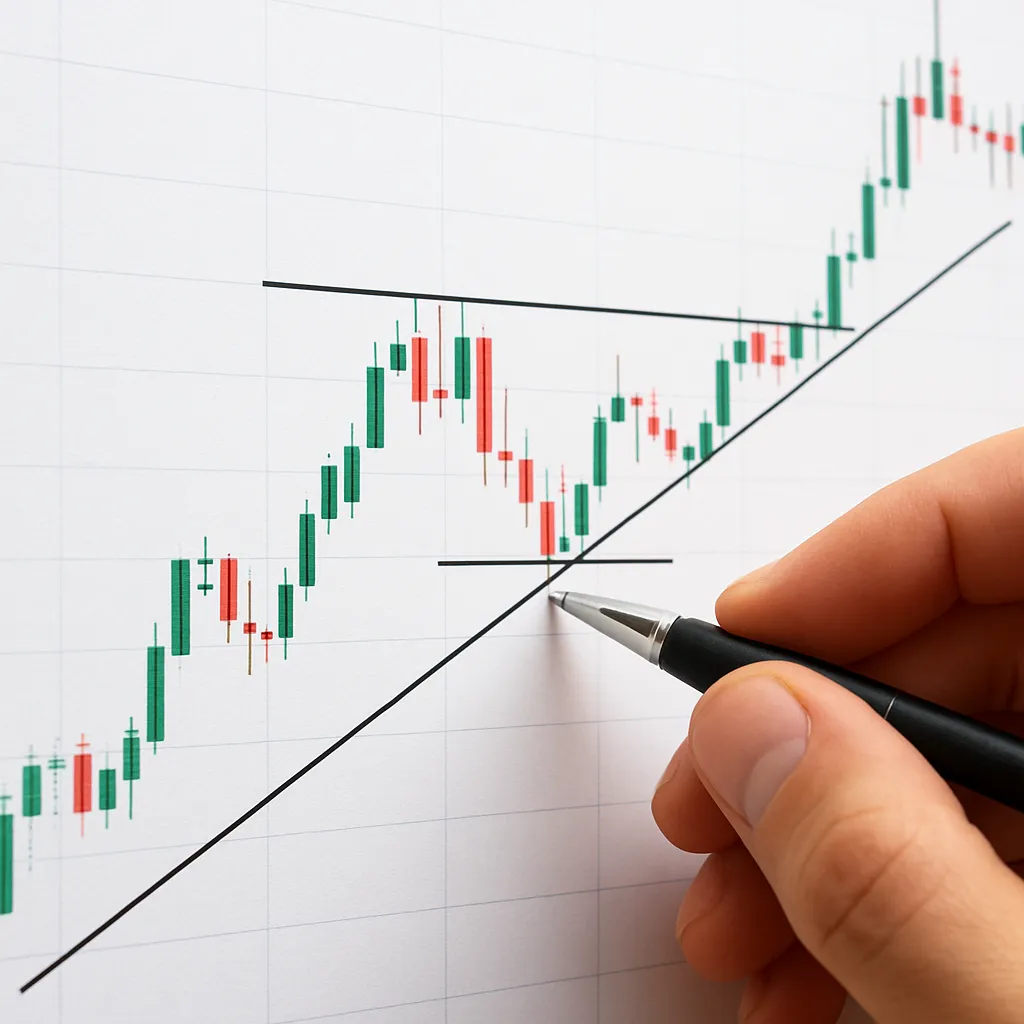
The integration of automation into the world of foreign exchange trading has transformed how market participants operate. Trading robots—also known as Expert Advisors (EAs) or forex bots—employ algorithm-driven strategies to enter and exit positions automatically. By relying on data-driven signals, these systems aim to minimize human error and maximize consistency. However, the deployment of robots in the FX market comes with both significant benefits and notable drawbacks. This article explores the most critical aspects of using trading robots, offering insights into their inner workings, potential performance, and practical considerations for traders at all experience levels.
Overview of Forex Trading Robots
Forex trading robots are specialized pieces of software designed to execute trades on behalf of the user, based on predefined rules and parameters. These parameters often include entry and exit conditions, risk controls, and money management guidelines. Typically written in languages like MQL4 or MQL5 for the MetaTrader platforms, robots can also be developed in Python or other scripting environments that support API connections to brokers.
At their core, trading robots rely on historical data and market indicators. Through robust backtesting procedures, developers assess strategy performance across various market scenarios. A well-tested robot should demonstrate consistency and resilience against market volatility. Once optimized, the bot can be deployed in a live environment, executing trades with minimal human intervention. This approach contrasts sharply with manual trading, where emotional biases and execution delays can hinder performance.
Despite their allure, not all robots deliver on promised returns. Performance varies significantly based on market conditions, broker spreads, and the quality of the underlying algorithm. As a result, traders must conduct thorough due diligence, focusing on critical factors such as drawdown levels, trade frequency, and compatibility with their proprietary trading style.
Advantages of Using Trading Robots
1. Unbiased Decision Making
Automated systems adhere strictly to predefined rules, eliminating emotional influences that often lead to impulsive or irrational trades. Traders benefit from consistent execution according to the strategy’s design, ensuring that risk management protocols are never compromised by fear or greed.
2. 24/7 Market Monitoring
The forex market operates around the clock, making continuous surveillance challenging for manual traders. A trading robot can monitor price movements and economic news releases at all hours, reacting instantly to trading signals without downtime.
3. Speed of Execution
High-frequency trading strategies demand efficiency in order placement. Robots can submit orders within milliseconds of signal generation, capturing fleeting arbitrage opportunities that would be impossible for human traders to exploit.
4. Multi-Currency and Multi-Strategy Deployment
Most platforms allow traders to run multiple instances of robots simultaneously across different currency pairs. This diversification reduces the reliance on a single market direction and spreads risk. Additionally, traders can mix trend-following, mean-reversion, and grid-based strategies to balance performance.
5. Data Analysis and Pattern Recognition
Advanced bots leverage machine learning and statistical models to detect patterns within price data. These systems can adapt to evolving conditions, adjusting parameters such as stop-loss and take-profit levels in response to shifting volatility indices.
Disadvantages and Risks of Automated Trading
1. Over-Optimization and Curve Fitting
One of the most common pitfalls in developing robots is over-optimization—tweaking parameters until backtest results look ideal but fail in real-time trading. Curve fitting leads to high historical returns but poor forward performance when market dynamics change.
2. Technical Failures and Connectivity Issues
Dependence on internet connections, power supplies, and broker server stability introduces vulnerability. A brief outage or a malfunctioning Virtual Private Server (VPS) can result in missed trades or unclosed positions, impacting overall performance significantly.
3. Inadequate Strategy Adaptation
Markets evolve due to economic cycles, geopolitical events, and technological shifts. Robots coded with static rules may become obsolete, unable to adjust to new paradigms. Continuous monitoring and periodic re-optimization are essential to maintain effectiveness.
4. Hidden Costs and Slippage
Broker commissions, swap fees, and spread widening during news events increase trading costs. Additionally, slippage—when an order executes at a different price than intended—can erode anticipated profits, especially for high-frequency bots. Traders must factor in these expenses to achieve realistic performance expectations.
5. Security Concerns and Fraudulent Products
The booming market for ready-made EAs has attracted unscrupulous vendors offering “magic” robots with little transparency. Purchasing or renting such products without verifying their track record can lead to capital loss. It is crucial to evaluate vendors’ credibility and request live performance data before committing funds.
Best Practices for Implementing Trading Robots
1. Rigorous Backtesting and Forward Testing
Conduct backtests on multiple market conditions—bullish, bearish, and ranging—to verify strategy robustness. Follow up with forward testing on demo accounts or small real-money allocations to observe live behavior without risking substantial capital.
2. Proper Customization and Parameter Tuning
Avoid one-size-fits-all solutions. Tailor robots to your risk tolerance, account size, and preferred trading hours. Periodically revisit key settings, such as lot size, maximum drawdown thresholds, and trailing-stop distances, to align with evolving market environments.
3. Diversification Across Multiple Robots and Instruments
Reduce dependency on a single strategy by diversifying across several robots, each targeting different currency pairs or trading styles. This approach helps spread risk and smooth equity curves over time.
4. Employ Reliable Infrastructure
Use a stable VPS close to your broker’s servers to minimize latency. Regularly update your trading platform and robot code to incorporate bug fixes and performance improvements.
5. Maintain Robust Liquidity and Money Management Rules
Limit exposure per trade to a small percentage of account equity. Use stop-loss orders and position-sizing algorithms to preserve capital during adverse market movements. A well-defined drawdown recovery plan ensures that losses remain within tolerable limits.
6. Continuous Monitoring and Performance Review
Schedule regular reviews of robot performance metrics—win rate, average profit/loss, drawdown, and Sharpe ratio. Investigate anomalies promptly and refine strategies as needed to maintain a competitive edge.
Practical Considerations for Traders
While trading robots offer a compelling route to automate labor-intensive tasks, they are not a set-and-forget solution. A disciplined approach to algorithm management, combined with ongoing education about market developments, is essential. Traders should leverage demo environments to gain hands-on experience before scaling to live accounts. By treating robots as tools rather than black-box solutions, market participants can harness the power of technology while preserving control over their financial destiny.