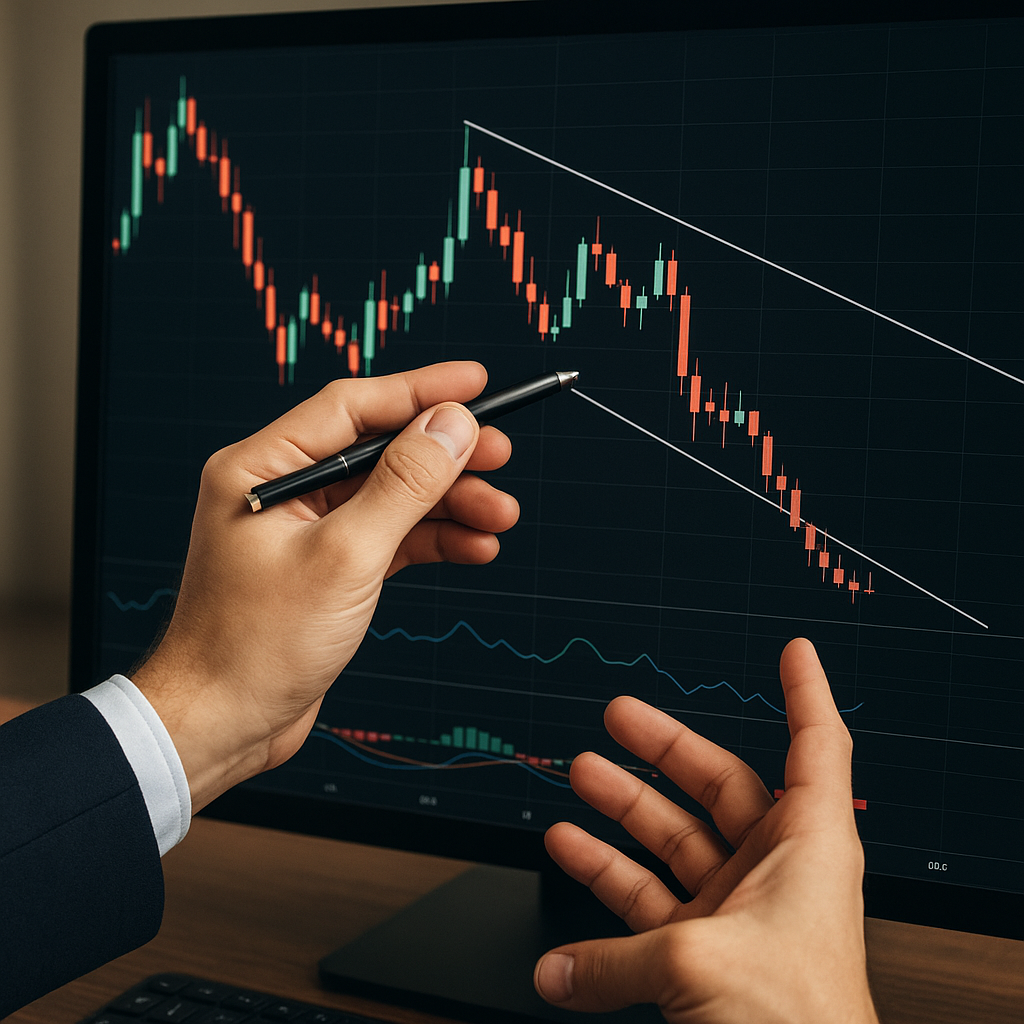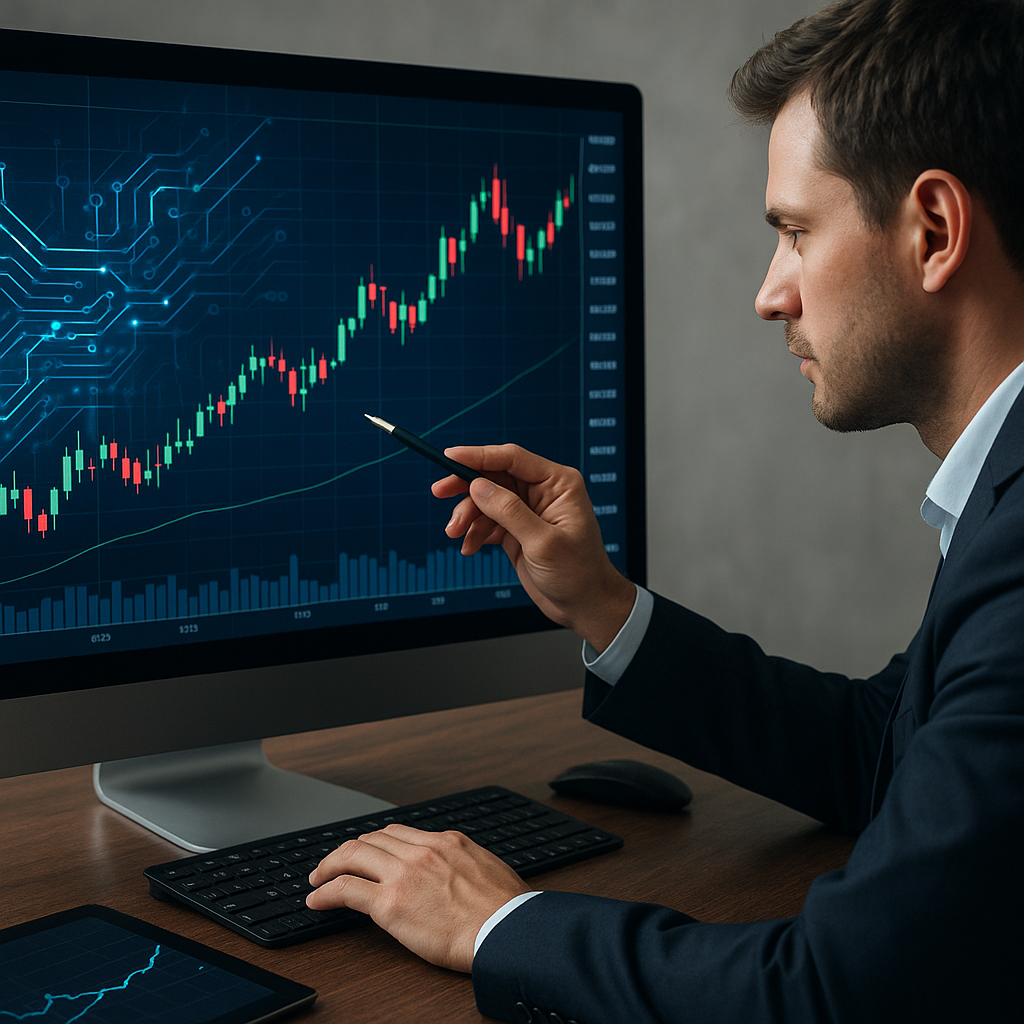
The foreign exchange market has witnessed a profound transformation driven by the integration of sophisticated algorithmic frameworks. Traders and financial institutions now leverage cutting-edge software to execute high-speed transactions, analyze vast data streams, and optimize decision-making processes. This article delves into the key aspects of algorithmic participation in forex, exploring its historical roots, technological underpinnings, and the advantages and challenges it presents to modern market participants.
Evolution of Algorithmic Systems in Forex Trading
Since the advent of electronic communication networks (ECNs), the landscape of currency markets has shifted from manual, floor-based dealing to digital platforms where high-frequency strategies dominate. In the early stages, algorithms were simple rule-based scripts designed to place orders when certain price thresholds were met. Over time, these systems evolved into complex engines capable of real-time signal generation and autonomous trade execution.
- 1970s–1980s: Introduction of computerized quotation displays, replacing paper ticketing.
- 1990s: Proliferation of electronic trading platforms and basic algorithmic order types.
- 2000s: Emergence of automation for market making and execution algorithms.
- 2010s–present: Adoption of machine learning and AI-driven predictive models.
Institutional players recognized that consistent execution speeds and precise order management could substantially reduce transaction costs. As bandwidth and computational power grew, opportunities arose for more sophisticated strategies, from statistical arbitrage to sentiment analysis powered by natural language processing.
Technological Foundations and Components
At the heart of every modern forex algorithm is a robust architecture that handles data ingestion, signal processing, and trade automation. Reliable connectivity to data providers, liquidity venues, and execution gateways ensures that positions are opened and closed with minimal latency.
Market Data and Analysis
Successful algorithmic models depend on high-quality input:
- Tier-1 pricing feeds for accurate bid/ask quotations.
- Economic calendar and newswire integration for event-driven triggers.
- Alternative data sources such as social media sentiment and satellite imagery.
Strategy Development and Backtesting
Before live deployment, algorithms undergo rigorous backtesting over historical forex ticks:
- Walk-forward optimization to prevent overfitting.
- Monte Carlo simulations to stress-test robustness under varied market regimes.
- Parameter sensitivity analysis for identifying stable input ranges.
Execution and Connectivity
Low-latency FIX protocol links and co-location with exchange servers allow traders to capitalize on fleeting price discrepancies. Execution algorithms manage order slicing, dynamic order placement, and smart routing to access multiple liquidity pools while minimizing market impact.
Advantages and Risk Management
The integration of algorithmic processes into forex trading yields numerous benefits, but it also introduces novel risk vectors that demand careful oversight.
- Enhanced speed and precision in capturing market opportunities.
- Elimination of emotional biases, leading to more disciplined trade entries and exits.
- Scalability across multiple currency pairs and time frames.
- Continuous performance monitoring via real-time dashboards.
However, automated systems must incorporate robust risk management protocols to guard against flash crashes, connectivity failures, or unexpected market events. Key safeguards include:
- Pre-trade limits on exposure, value-at-risk (VaR) thresholds, and drawdown controls.
- Automated kill-switch mechanisms to halt trading during anomalous activity.
- Regular strategy reviews to adapt to shifting volatility patterns and regulatory changes.
By balancing aggressive market engagement with prudent control measures, institutions can harness algorithmic power while mitigating potential losses.
Future Directions and Innovations
Looking ahead, the intersection of finance and technology promises further breakthroughs in forex algorithmics. Researchers and developers are exploring areas such as:
- Deep reinforcement learning agents that adapt continuously to evolving market microstructure.
- Quantum computing algorithms aiming to optimize portfolio combinations in real time.
- Decentralized finance (DeFi) integration, where smart contracts execute cross-currency swaps without centralized intermediaries.
- AI-driven sentiment engines that parse complex geopolitical signals to anticipate currency moves.
These advancements will necessitate even more sophisticated infrastructure, including next-generation networking protocols, GPU-accelerated backtesting farms, and advanced encryption for secure transaction workflows. Traders will need to stay informed on regulatory developments surrounding AI usage, data privacy, and financial stability mandates.
Ultimately, the relentless pursuit of performance and efficiency in forex markets underscores the enduring significance of algorithmic innovation. As technology continues to evolve, participants who combine domain expertise with cutting-edge computational tools will be best positioned to navigate the complexities of global currency trading.