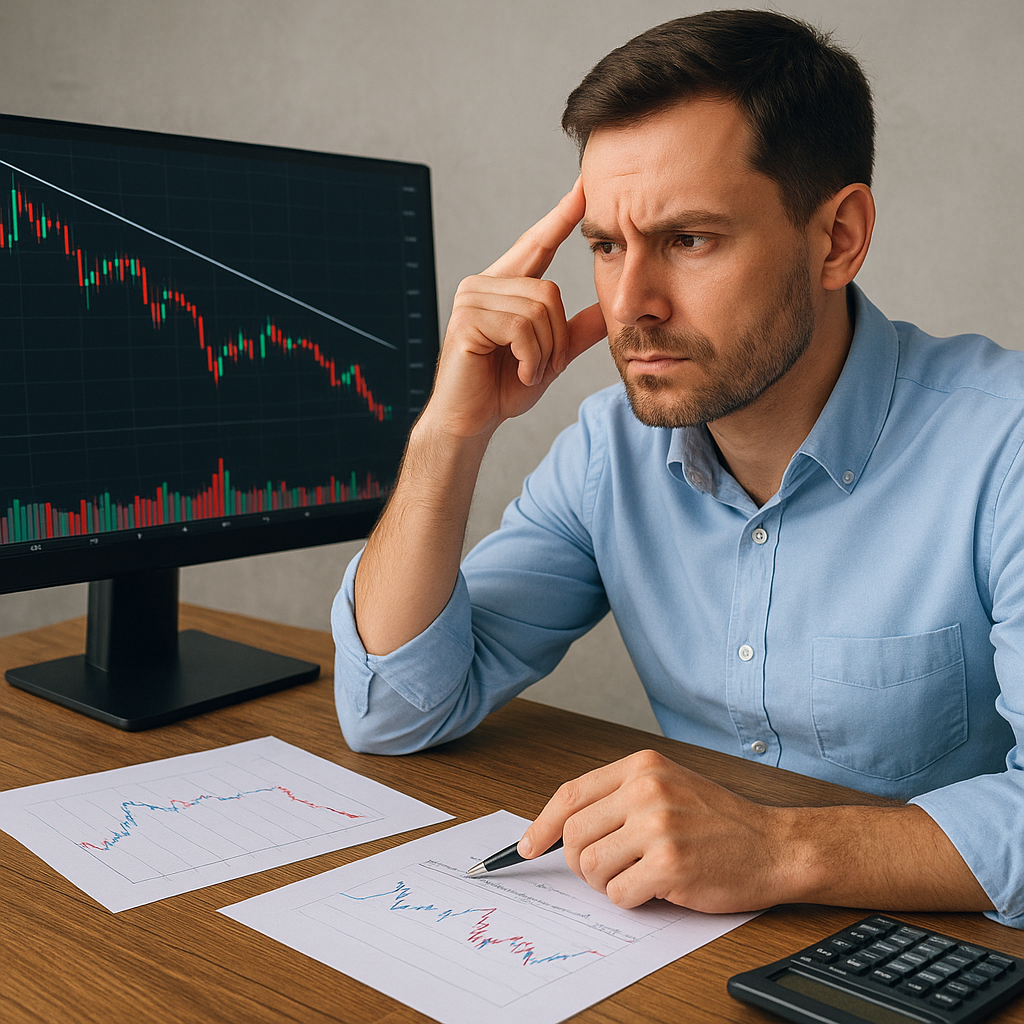
Navigating the world of foreign exchange demands a blend of knowledge, discipline, and adaptability. By focusing on the most liquid markets and understanding the forces that drive price movements, traders can refine their approach and potentially capitalize on short-term swings or long-term trends. This guide delves into the essentials of trading major currency pairs, highlighting practical strategies, analytical tools, and risk‐management techniques that underpin successful FX operations.
Understanding Major Currency Pairs
Defining the Majors
Major currency pairs feature the world’s most traded currencies, all of which include the US dollar as one side of the quotation. They offer the highest liquidity and typically the tightest spread, making them a favorite for both novice and professional traders. Key examples include:
- EUR/USD (Euro vs. US Dollar)
- USD/JPY (US Dollar vs. Japanese Yen)
- GBP/USD (British Pound vs. US Dollar)
- USD/CHF (US Dollar vs. Swiss Franc)
- USD/CAD (US Dollar vs. Canadian Dollar)
- AUD/USD (Australian Dollar vs. US Dollar)
Market Characteristics
Major pairs are influenced by a combination of central‐bank decisions, economic data releases, geopolitical developments, and market sentiment. Their high trading volume translates into relatively low transaction costs but also exposes traders to sudden surges in volatility during major news events. Understanding these dynamics is crucial for timing entries and exits with precision.
Key Strategies for Trading Major Pairs
Technical Analysis Techniques
Technical traders rely on price charts and statistical indicators to identify potential entry and exit points. Popular tools include moving averages, Bollinger Bands, and Fibonacci retracements. For instance, a simple strategy may involve:
- Observing a 50-period moving average crossover with the 200 period as a trend filter.
- Confirming momentum with the Relative Strength Index (RSI) or Moving Average Convergence Divergence (MACD).
- Measuring projected targets in pips based on previous support and resistance levels.
Patience and consistency are key: wait for clear patterns, avoid impulsive entries, and always align with the broader trend.
Fundamental Analysis Approaches
Fundamental traders evaluate macroeconomic data—such as GDP growth, unemployment rates, and interest‐rate decisions—to gauge a currency’s intrinsic value. Central‐bank minutes and speeches by policy makers can trigger significant moves. Integrating fundamental analysis with economic calendars allows traders to anticipate high‐impact releases, manage exposure, and avoid erratic spikes during illiquid hours.
Risk Management and Analytical Best Practices
Implementing Protective Measures
Effective trading demands rigorous risk management. Key techniques include:
- Setting stop-loss orders just beyond logical price levels to limit downside.
- Defining position sizes based on a fixed percentage of account equity—commonly 1–2% per trade.
- Using trailing stops to lock in profits as the market moves favorably.
Leverage can magnify gains but also exacerbate losses. A controlled approach to leverage, combined with clearly stated risk parameters, helps preserve capital over the long run.
Psychological Discipline and Journaling
Successful traders maintain emotional control, resisting overconfidence after wins and discouragement after losses. Keeping a detailed trading journal—with entries on trade rationale, entry/exit levels, and post‐trade reflections—promotes continuous improvement. Reviewing past trades enhances self‐awareness about recurring mistakes and reinforces positive habits.
Optimizing Your Workflow with Advanced Tools
Trading Platforms and APIs
Modern trading platforms offer charting suites, real‐time quotes, and automated‐execution capabilities. Integrating with an API allows algorithmic strategies to run 24/5, executing orders at predefined conditions without emotional bias. Leading platforms often support custom scripts, enabling traders to deploy indicators or backtest strategies against historical data.
Utilizing Third‐Party Resources
Countless online services provide news feeds, sentiment gauges, and live community chatrooms. Premium analytics firms may offer proprietary volatility heatmaps or order‐flow insights. While free tools can suffice for many retail participants, professional traders often subscribe to specialized data streams to gain a competitive edge.
Continuous Learning and Adaptation
The FX market evolves with shifting monetary policies, emerging digital currencies, and changing geopolitical landscapes. Regularly updating your skillset—through webinars, mentorship programs, or academic literature—ensures you remain responsive to novel challenges. Embrace a growth mindset, recognize that no strategy endures indefinitely, and refine your approach as conditions evolve.